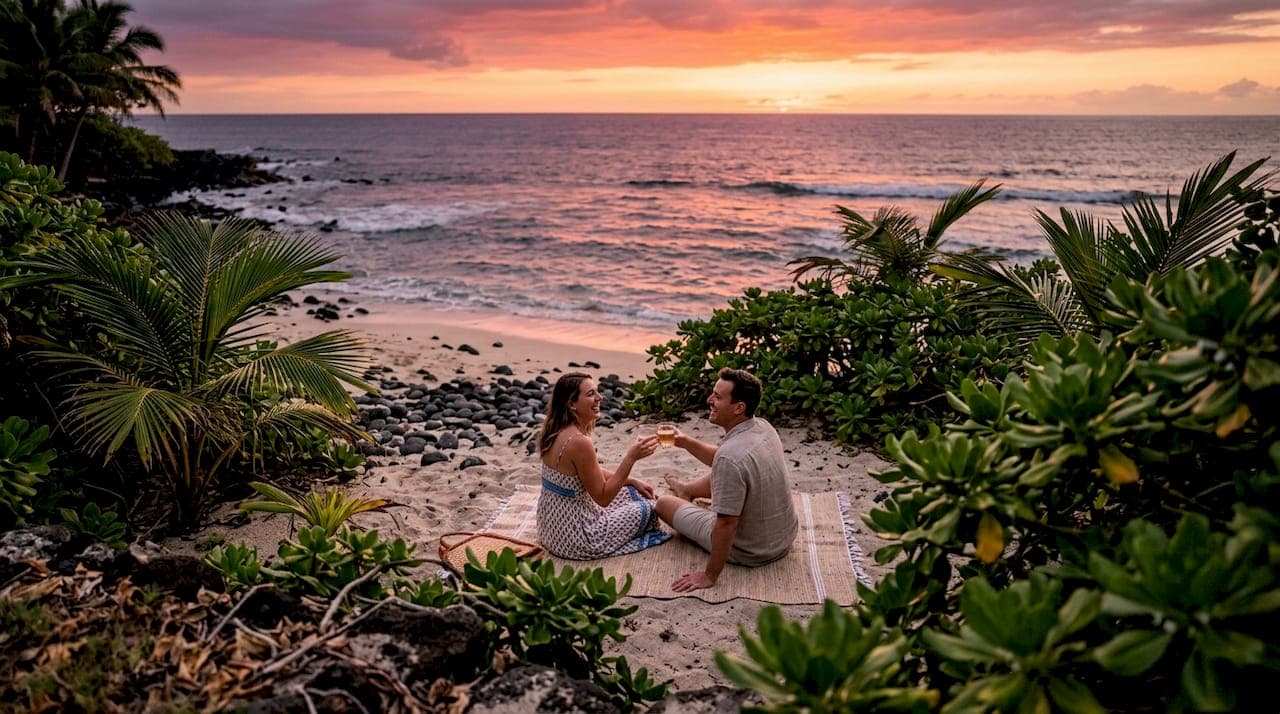
The best Big Island sunset viewing spots combine a west-facing horizon, reliable clear skies, and a location close enough to your accommodation that you actually arrive relaxed. The Kona Coast delivers all three more consistently than any other region on the island, thanks to its dry weather and clear horizon lines. Whether you want to kick back on a wide sandy beach, stand above the clouds on Mauna Kea, or sip something cold on a sailing cruise, the Big Island has a sunset experience that fits your style. The key is matching the spot to your energy level, your base, and your timing.
What makes a great Big Island sunset viewing spot?
The best sunset locations in Hawaii share a few traits that separate a good view from an unforgettable one. Understanding those traits helps you pick the right spot instead of driving across the island and arriving just as the colors fade.
West-facing orientation is the single most important factor. The sun sets over the Pacific, so any beach or viewpoint facing east or north gives you a blocked or angled view. The Kona and Kohala coasts face west, which is why they dominate every list of top sunset spots in Hawaii.
Here are the key factors to weigh before you choose your spot:
- Horizon clearance: Open ocean views beat bay views for color range. Look for spots with no land mass interrupting the western horizon.
- Elevation: Sea-level beaches give you warm, golden light close to the water. Summit views place you above the clouds for a completely different, almost surreal effect.
- Parking and crowds: Popular beaches fill fast. Parking fills rapidly at well-known spots, so arriving early is not optional.
- Weather patterns: The Kona Coast stays dry most of the year. Windward and eastern sides of the island see far more cloud cover and rain, which can block the view entirely.
- Distance from your lodging: Overestimating the island's size is one of the most common mistakes visitors make. The Big Island is genuinely large. A spot that looks close on a map can mean a 90-minute drive each way.
Pro Tip: Check a cloud cover forecast, not just a rain forecast, before you commit to a summit trip. A clear day at sea level can still mean a socked-in summit.
Top coastal beaches for easy-access sunsets
Coastal beaches are the most accessible sunset places on the Big Island, and three locations stand out for their combination of views, amenities, and reliability.
1. Kailua-Kona waterfront (Ali'i Drive)
Ali'i Drive runs along the oceanfront in Kailua-Kona and gives you a low-effort, walkable sunset experience. You can park once and stroll the seawall as the sky shifts from gold to deep orange. Restaurants and bars line the strip, so you can move from a beach chair to a table with a view without missing a moment. This is the easiest entry point for first-time visitors and a great option if you want to combine dinner with your sunset.
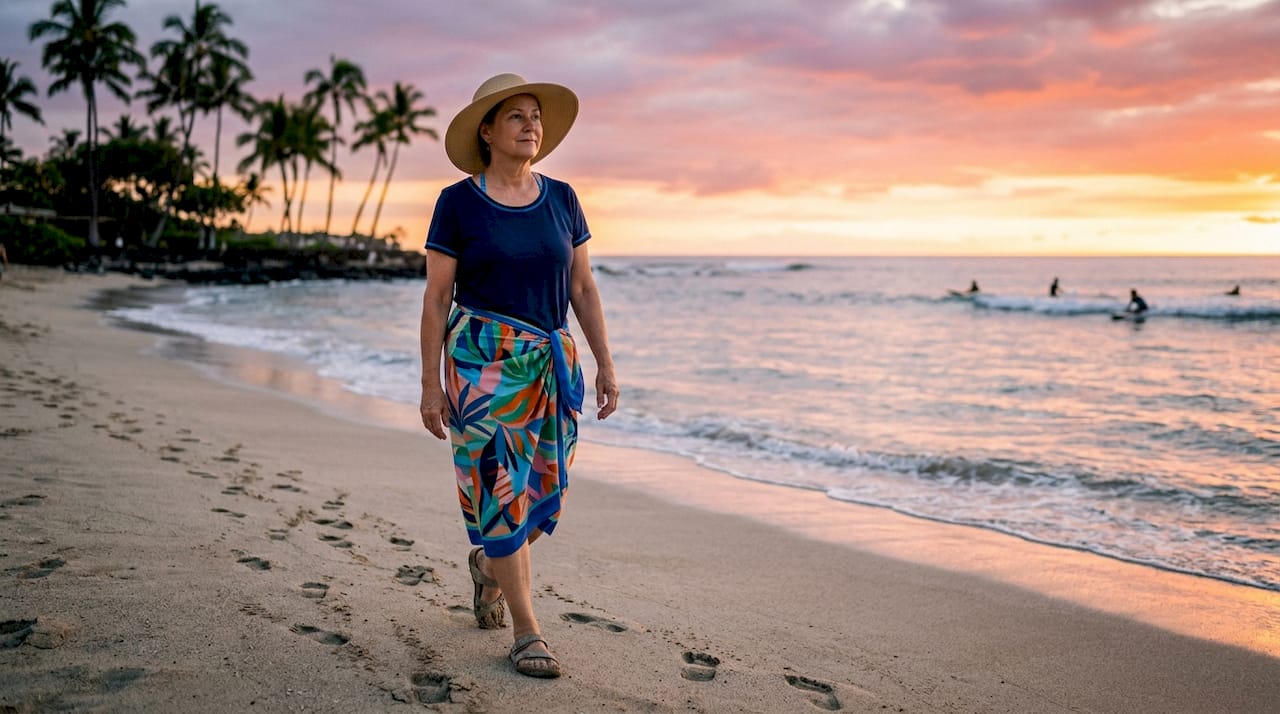
2. Hapuna Beach State Recreation Area
Hapuna Beach is one of the widest sandy beaches on the island, and its wet sand creates a mirror effect at sunset. The wet sand doubles the sky's colors, producing a reflected image that photographers love. Arrive at least 45 minutes before sunset to secure parking and find a good spot on the sand. The beach faces directly west, and the horizon is completely open.
3. Anaeho'omalu Bay (A-Bay)
A-Bay sits just south of the Waikoloa resort area and offers a calmer, more sheltered bay view. The water is usually flat and clear, which adds a turquoise foreground to the sunset colors. Amenities including restrooms, beach rentals, and nearby restaurants make it a comfortable choice for families or anyone who wants a relaxed evening without roughing it.
| Location | Effort level | Best for | Parking tip |
|---|---|---|---|
| Ali'i Drive, Kailua-Kona | Low | Walkers, diners | Street and lot parking; arrive by 5 p.m. |
| Hapuna Beach | Low to moderate | Photographers, families | State park lot fills fast; arrive 45 min early |
| Anaeho'omalu Bay | Low | Families, resort guests | Resort lot available; less crowded than Hapuna |
Pro Tip: Bring a light layer even at sea level. The breeze off the water picks up after the sun drops, and the temperature falls faster than most visitors expect.
What is the Mauna Kea summit sunset experience like?
The Mauna Kea summit at 13,796 feet offers the most dramatic sunset on the island. You watch the sun sink below a sea of clouds while the sky above you shifts through colors you simply cannot see at sea level. It is a completely different type of sunset view in Hawaii, and it requires real preparation.
Here is what you need to know before you go:
- Stop at the Visitor Information Station first. The station sits at 9,200 feet and is the required acclimatization point. Spend at least 30 minutes there before driving to the summit.
- Bring a 4WD vehicle. The road above the Visitor Information Station is unpaved and steep. Rental car agreements typically prohibit standard vehicles on this road, so check before you book.
- Dress for cold. Temperatures at the summit drop sharply after sunset. Bring a warm jacket, gloves, and closed-toe shoes even if it is 85 degrees at the beach.
- Watch for altitude sickness. Symptoms include headache, nausea, and dizziness. Children under 13 and pregnant visitors are advised not to go above the Visitor Information Station.
- Consider a guided tour. Tour operators provide transportation, gear, and hot drinks. They also handle the driving, which matters a lot on a dark, narrow summit road after sunset.
"Watching the sun set from above the clouds on Mauna Kea is one of those experiences that genuinely changes how you see the island. The light is unlike anything at sea level."
Cloud cover impacts sunset colors differently by elevation. Low clouds near the horizon at sea level often intensify color saturation. At the summit, being above those same clouds creates a surreal, almost otherworldly effect. Both are beautiful. They are just completely different experiences.
Are sunset cruises worth it on the Big Island?
Sunset cruises are worth it if you want to skip the parking scramble and watch the sky change from the water. Sunset sailing tours from Kailua-Kona and Waikoloa are among the most popular evening activities on the island, and for good reason.
- No parking stress. You board at the harbor and the boat handles everything. There is no race to claim a spot on the sand.
- Unobstructed 360-degree views. Once you are out on the water, nothing blocks the horizon. You see the full arc of color as the sun drops.
- Onboard food and drinks. Most cruises include appetizers, cocktails, and non-alcoholic options. Some offer full dinner service.
- Family and couple options. Operators run both lively social cruises and quieter, more intimate sailings. Check the format before you book so you get the right vibe.
- No post-sunset drive stress. Tour operators recommend avoiding sunset viewing far from your lodging to cut the drive-time stress that can follow a long day. A cruise drops you back at the harbor, close to where you started.
Cruises do not replace the beach experience, but they complement it well. If you have multiple evenings on the island, mix one cruise with one or two beach sunsets for a fuller picture of what the Kona coast offers.
Practical tips for timing and preparing your sunset visit
Good preparation is what separates a relaxed, memorable sunset from a rushed, frustrating one. A few simple habits make a big difference.
- Arrive 30–45 minutes early. Sunset times range from 5:48 p.m. in early december to 7:17 p.m. in early july. Arriving early gives you time to park, find your spot, and settle in before the golden hour begins.
- Check the cloud forecast. A clear sky is not guaranteed even on the Kona Coast. A quick check of a weather app the morning of your planned sunset visit can save you a wasted trip.
- Pack layers for the summit. Summit temperatures can drop into the 30s Fahrenheit after sunset. A beach bag is not enough.
- Choose spots near your base. Staying near Kona? Stick to Ali'i Drive or Hapuna. Staying near Waikoloa? A-Bay or a Waikoloa harbor cruise makes more sense. Choosing sunset spots close to your accommodation in areas like Kona or Waikoloa avoids long drives that add stress and safety risk after dark.
- Bring a camera and a tripod. The golden hour light is soft and warm, but it fades fast. A tripod lets you shoot longer exposures as the sky deepens after the sun drops.
Pro Tip: The 10–15 minutes after the sun disappears below the horizon often produce the most vivid pinks and purples. Do not pack up and leave the moment the sun sets.
Key takeaways
The best Big Island sunset experiences come from matching your location, effort level, and timing to the right spot, whether that is a coastal beach, a mountain summit, or a sailing cruise.
| Point | Details |
|---|---|
| West-facing spots win | Kona and Kohala coast beaches face the open Pacific and deliver the most reliable clear sunsets. |
| Arrive early every time | Parking fills fast at popular beaches; plan to arrive 30–45 minutes before sunset. |
| Summit views require preparation | Mauna Kea at 13,796 feet demands a 4WD vehicle, warm layers, and an acclimatization stop at 9,200 feet. |
| Cruises cut the stress | Sunset sailing tours from Kailua-Kona eliminate parking and post-sunset driving concerns. |
| Stay close to your base | Long drives to distant sunset spots add stress and reduce enjoyment; choose locations near your accommodation. |
Why I think most visitors approach Big Island sunsets the wrong way
Sunsets on the Big Island carry real cultural weight. Locals call the end of the workday pau hana, a Hawaiian phrase meaning "finished work." Watching the sun go down is not just a photo opportunity here. It is a genuine pause, a moment the island takes seriously. Visitors who rush from one spot to another, chasing the "best" view, often miss that feeling entirely.
My honest advice: pick one spot per evening and commit to it. Get there early, put your phone down for at least a few minutes, and just watch. The colors will do the rest.
I also think travelers underestimate how much the type of sunset view matters to their enjoyment. A beach sunset and a summit sunset are not interchangeable. One is warm, social, and easy. The other is cold, quiet, and almost meditative. Both are worth experiencing, but on different nights and with different energy. If you only have a few evenings, do one beach sunset and one cruise. Save the summit for a full-day excursion rather than squeezing it into an evening itinerary.
The spots near Kealakekua Bay, where the foothills of Mauna Loa meet the coast, offer something most visitors never find: a hilltop view that catches both the sunset colors over the ocean and the pastel glow of sunrise over the mountain the next morning. That kind of island discovery is worth building your whole trip around.
Respect the land, arrive early, and slow down. The Big Island rewards patience more than any other island I know.
— Nicole
Sunsets at Luanainn: a view worth coming back for
Luanainn sits in the foothills of Mauna Loa, overlooking Kealakekua Bay on the Kona Coast. The location puts you within easy reach of the top sunset spots on the west side of the island, without the long drives that wear visitors out.

From the property, you can watch the sky shift over the bay every evening from your own peaceful vantage point. The ever-changing colors, the occasional rainbow, and the quiet of the hillside make Luanainn a natural base for anyone serious about experiencing the best of the Big Island. Check out the rooms and availability to plan your stay, or browse the vacation packages for options that pair lodging with local experiences. When you are ready to book your Big Island sunset adventure, Luanainn is ready for you.
FAQ
What are the best sunset spots on the Big Island?
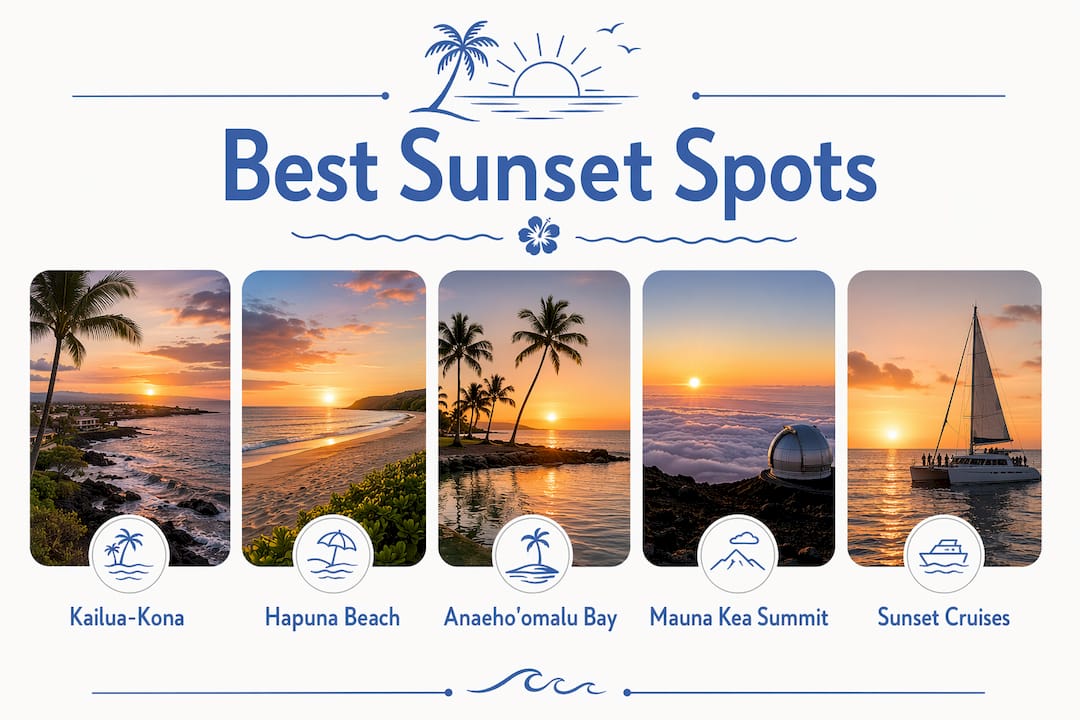
The top sunset spots on the Big Island include the Kailua-Kona waterfront along Ali'i Drive, Hapuna Beach State Recreation Area, Anaeho'omalu Bay, and the Mauna Kea summit. All west-facing Kona Coast locations offer reliably clear views due to the area's dry weather.
What time does the sun set on the Big Island?
Sunset times vary seasonally, ranging from around 5:48 p.m. in early december to 7:17 p.m. in early july. Arriving 30–45 minutes before sunset gives you the full golden hour experience.
Do I need a 4WD vehicle to watch the sunset at Mauna Kea?
Yes. The road above the 9,200-foot Visitor Information Station requires a four-wheel-drive vehicle, and most standard rental car agreements prohibit driving on it. A guided tour is a practical alternative that handles transportation and gear.
Are sunset cruises a good option on the Big Island?
Sunset cruises from Kailua-Kona and Waikoloa are an excellent option for travelers who want unobstructed ocean views without parking stress. Most cruises include food and drinks and cater to both families and couples.
How do I avoid crowds at popular Big Island sunset beaches?
Arrive at least 45 minutes before sunset to secure parking and a good viewing spot at busy beaches like Hapuna. Weekday visits also tend to be less crowded than weekend evenings during peak travel seasons.