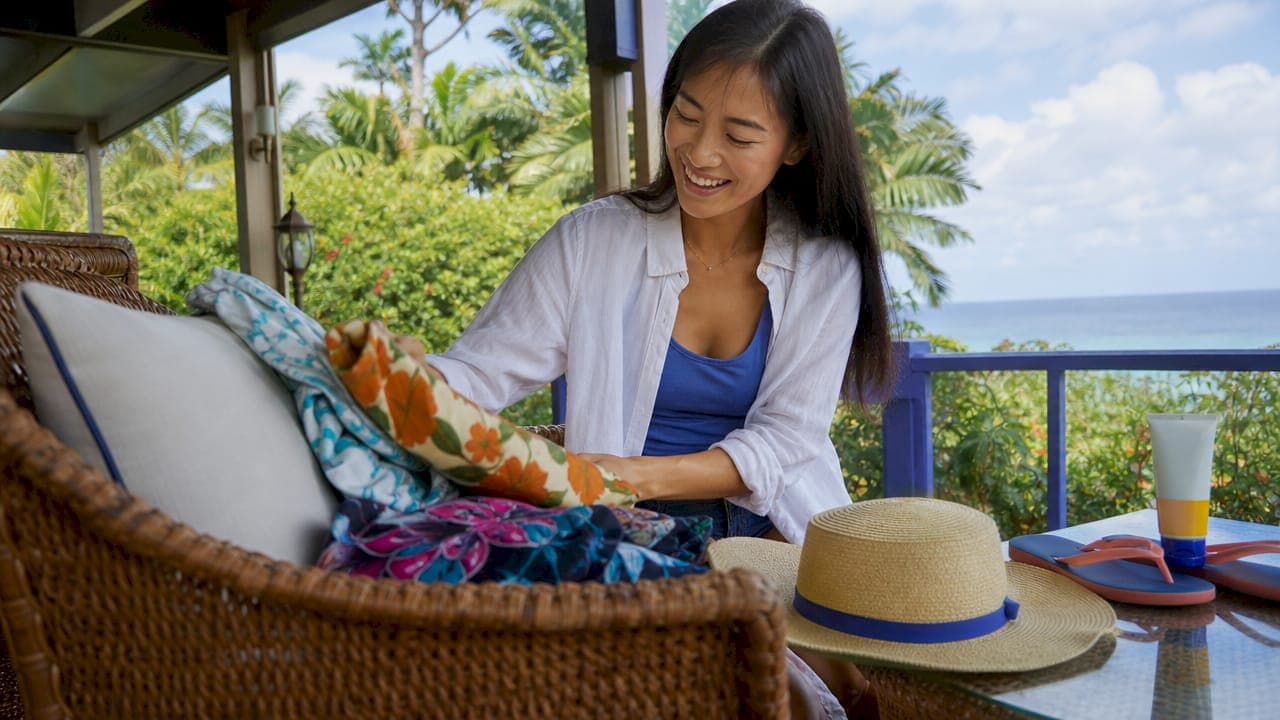
A Hawaii bed and breakfast packing list is defined as the curated set of lightweight, reef-safe, and climate-appropriate items that lets you move freely between beach, trail, and B&B without dragging a heavy bag across the island. The right list covers breathable clothing, mineral sunscreen that meets Hawaii's 2026 regulations, sun protection accessories, and a few smart layers for cooler evenings. Staying at a B&B like Luanainn on the Big Island means you get a relaxed, personal experience. Packing to match that pace makes every day easier and more enjoyable.
What climate and weather factors affect your Hawaii B&B packing choices?
Hawaii's weather divides into two clear seasons, and knowing which one you're visiting changes your packing list significantly. The dry season brings temperatures of 80–90°F, while the rainy season, which runs roughly october through april, sees temperatures drop to 70–83°F with breezy, chilly evenings. That's a wider range than most travelers expect.
Trade winds are the other factor people miss. They keep coastal areas comfortable but can make evenings feel genuinely cool, especially at higher elevations. Upcountry climates can surprise visitors with temperatures below 70°F at night, so packing fleece vests and scarves is not optional if you plan to explore inland or at altitude. The Haleakala summit on Maui can see snow, and even the foothills of Mauna Loa near Luanainn get noticeably cooler after sunset.
Your swimwear and rain gear choices depend directly on your travel window. Wet season travelers need a compact rain layer every single day. Dry season visitors can skip the poncho but still need a light jacket for air-conditioned restaurants and evening walks.
Here's what the weather means for your bag:
- Dry season (may–september): Pack for heat and sun. Light layers for evenings only.
- Wet season (october–april): Add a rain layer and at least one warm mid-layer.
- Upcountry or mountain visits: Fleece vest, scarf, and long pants are non-negotiable.
- Coastal B&B stays: Breathable fabrics and sun protection take priority.
Pro Tip: Pack a lightweight packable rain jacket rather than a full poncho. It doubles as a wind layer on breezy coastal evenings and takes up almost no space in your bag.
Which clothing and accessories belong on a Hawaii B&B packing list?
The clothing rule for a Hawaii B&B stay is simple: breathable, versatile, and quick-drying wins every time. Resort casual is the dress code across the islands, even at upscale dining spots, so you never need formalwear. That frees up real luggage space for items that actually earn their place.
Fabric choice matters more than style. Cotton and linen work well in dry heat. Moisture-wicking synthetics are better for hiking or any activity where you'll sweat. The rule of threes for tops, bottoms, and footwear supports a carry-on-only packing style while covering every activity you'll encounter on the island.
Swimwear deserves its own category. Bring at least two swimsuits per person so one can dry while you wear the other. Rash guards add sun protection without requiring extra sunscreen reapplication, which matters a lot when you're spending full days near the water.
Essential clothing and accessories:
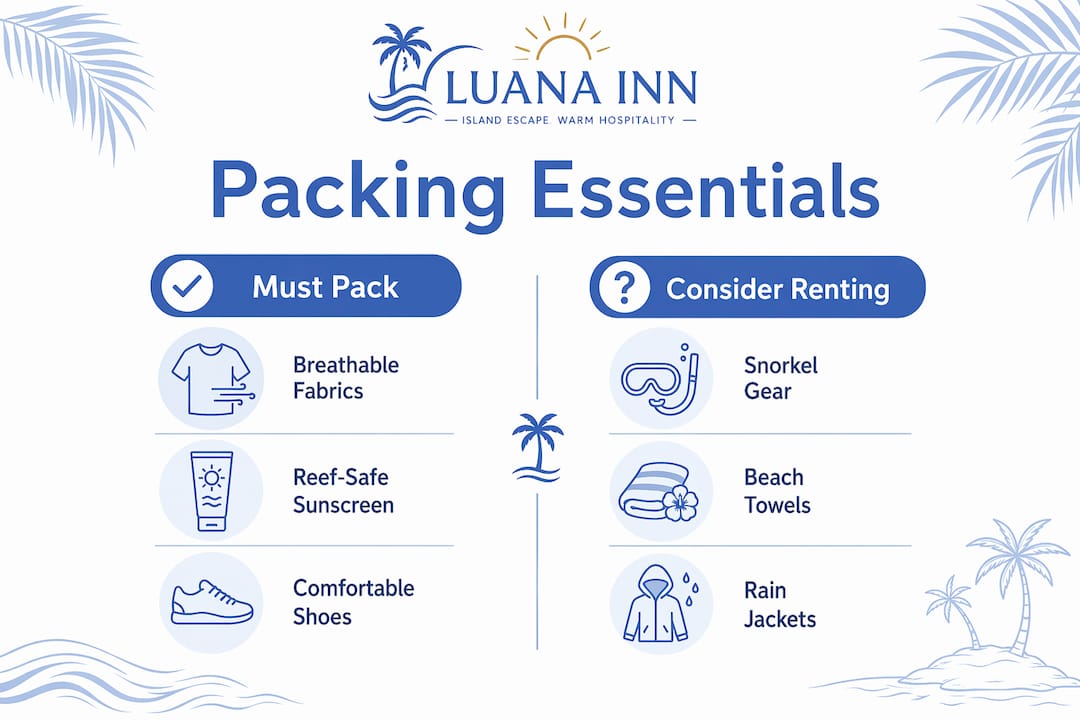
- Tops: 3–4 lightweight shirts in breathable fabric; at least one long-sleeve for sun protection
- Bottoms: 2 pairs of shorts, 1 pair of lightweight pants for evenings and mountain visits
- Swimwear: 2 swimsuits per person, plus a rash guard
- Outerwear: 1 packable rain jacket, 1 fleece vest for upcountry or cool evenings
- Footwear: Flip-flops, hiking shoes, and reef-safe water shoes cover every terrain from beach to rocky trail
- Accessories: Wide-brim hat, UV-blocking sunglasses, reef-safe mineral sunscreen
Pro Tip: Choose one pair of shoes that works for both light hiking and casual town exploring. This cuts your footwear count from three pairs to two and saves serious bag space.
Layering is the skill that separates comfortable travelers from miserable ones. Air conditioning in restaurants and shops can be aggressive. A light cardigan or packable vest in your daypack means you're ready for any temperature shift without going back to your room.
What should you rent locally instead of packing for your Hawaii trip?
Renting gear locally is one of the best packing decisions you can make. Renting beach gear and snorkel equipment saves luggage space and often gives you higher-quality, island-specific items suited to local conditions. Snorkel gear rented near Kealakekua Bay, for example, is sized and maintained for the specific water clarity and marine life you'll encounter there.
The items worth leaving at home entirely:
- Snorkel gear: Widely available for rent near most beaches and B&Bs; quality is often better than travel-sized sets
- Beach chairs and umbrellas: Bulky, heavy, and rentable at most beach access points
- Boogie boards: Rental shops near popular surf spots stock these in all sizes
- Beach towels: Beach towels are bulky and many B&Bs provide them, so leaving them at home saves real luggage weight
Before you finalize your list, contact your B&B directly and ask what they provide. Understanding which items B&Bs provide prevents redundant packing and cuts luggage weight significantly. Luanainn, for instance, provides amenities that reduce what you need to bring from home. A quick email before you pack can save you from hauling things you'll never use.
If you want a lightweight backup for beach days without renting, a microfiber towel or a large sarong works well. Both dry fast, fold small, and double as a beach blanket or wrap.
What personal care and safety items are crucial given 2026 Hawaii regulations?
Sunscreen is the most legally significant item on your Hawaii travel checklist. Hawaii law prohibits chemical sunscreens containing oxybenzone or octinoxate statewide, with Maui County enforcing even stricter bans. Bringing a non-compliant sunscreen means you'll need to buy a replacement on arrival, often at a premium price.
Mineral sunscreens with zinc oxide or titanium dioxide are the compliant choice. They protect your skin and protect the coral reefs you'll be swimming above. Pack more than you think you need. Tropical sun is intense, and reapplication after swimming is not optional.
Hawaii's Act 104 makes reef-safe sunscreen a legal requirement, not just a preference. Mineral-based formulas with zinc oxide or titanium dioxide are the only compliant options statewide, and Maui County applies additional restrictions. Pack compliant sunscreen from home to avoid paying inflated prices at island shops.
Your personal care checklist should also include:
- Lip balm with SPF: Sun damage on lips is easy to overlook and painful to deal with
- After-sun aloe gel: Soothes skin after long beach days even when you apply sunscreen correctly
- Prescription medications: Bring a full supply plus a few extra days' worth in case of travel delays
- Basic first aid: Adhesive bandages, antiseptic wipes, and blister treatment for hiking days
- Reusable water bottle: Hydration in a tropical climate is critical; a 32-oz insulated bottle keeps water cold through a full beach day
- Compact dry bag or waterproof phone pouch: Dry bags protect valuables near water and are worth every ounce they add
Key Takeaways
Smart packing for a Hawaii B&B stay means choosing reef-safe, breathable, and versatile items that cover both warm coastal days and cooler upcountry evenings without overfilling your bag.
| Point | Details |
|---|---|
| Use reef-safe sunscreen | Hawaii law bans oxybenzone and octinoxate; pack zinc oxide or titanium dioxide formulas from home. |
| Pack for two climates | Coastal days hit 80–90°F, but upcountry nights can drop below 70°F; bring layers for both. |
| Rent bulky gear locally | Snorkel sets, beach chairs, and boogie boards are widely available and save significant luggage space. |
| Confirm B&B amenities first | Many B&Bs provide towels and toiletries; ask before packing to avoid bringing items you won't need. |
| Follow the rule of threes | Three tops, two bottoms, and two footwear options cover a full week in carry-on-only style. |
What I've learned from watching guests arrive at a Hawaii B&B
The most common mistake I see is travelers arriving with bags so full they can barely lift them, and then realizing within 24 hours that half of what they packed stays untouched in the closet. Veteran B&B hosts consistently say the same thing: less is more, and a minimalist wardrobe built on quick-drying fabrics gives you more freedom, not less.
The insight that surprises most people is the layering piece. Everyone pictures Hawaii as one temperature, all the time. It isn't. The foothills around Luanainn get genuinely cool after sunset, and if you're planning a crater hike or a drive up to higher elevation, you'll want that fleece vest you almost left at home.
One tip I share that most packing guides skip entirely: experienced hikers on rugged Hawaiian trails sometimes pull tube socks over their shoes as improvised gaiters. Sharp volcanic cinders work their way into footwear fast on crater hikes, and this simple trick keeps your feet comfortable for the whole trail.
Leave the big beach towel at home. Luanainn provides them, and even if your B&B didn't, a sarong takes up a tenth of the space and does the same job. Every pound you don't pack is a pound you're not dragging through airports and up hillside paths.
— Nicole
How Luanainn makes it easy to pack light and enjoy more
Staying at Luanainn on the Big Island means you can leave a lot of the heavy stuff at home. The inn provides beach towels and the kind of thoughtful amenities that let you focus on what you actually want to experience: sunsets over Kealakekua Bay, pastel mornings above the mountain, and the kind of slow, easy days that Hawaii does best.
Air conditioning keeps your room comfortable no matter how warm the afternoon gets, and the team at Luanainn can point you toward local rental options for snorkel gear and beach equipment. Check out the vacation packages to see what's included, or browse the rooms overview to find the right fit for your trip. When your bag is light and your room is ready, the only thing left to do is kick back and soak up the view.
FAQ
What sunscreen is legal to bring to Hawaii in 2026?
Only mineral sunscreens with zinc oxide or titanium dioxide are legal statewide. Sunscreens containing oxybenzone or octinoxate are banned under Hawaii's Act 104, with Maui County enforcing additional restrictions.
Do Hawaii B&Bs provide beach towels?
Many B&Bs, including Luanainn, provide beach towels for guests. Confirm with your specific property before packing to avoid unnecessary bulk in your luggage.
How many swimsuits should I pack for a Hawaii trip?
Pack at least two swimsuits per person. One can dry while you wear the other, which keeps you comfortable across full days at the beach or pool.
Do I need warm clothing for a Hawaii B&B stay?
Yes. Upcountry areas and higher elevations can drop below 70°F at night, and trade winds make coastal evenings feel cool. A fleece vest and a packable rain jacket cover most conditions.
Is it worth renting snorkel gear in Hawaii rather than packing it?
Renting locally saves luggage space and gives you gear suited to island-specific conditions. Most beaches and B&B areas have rental shops nearby with well-maintained equipment.