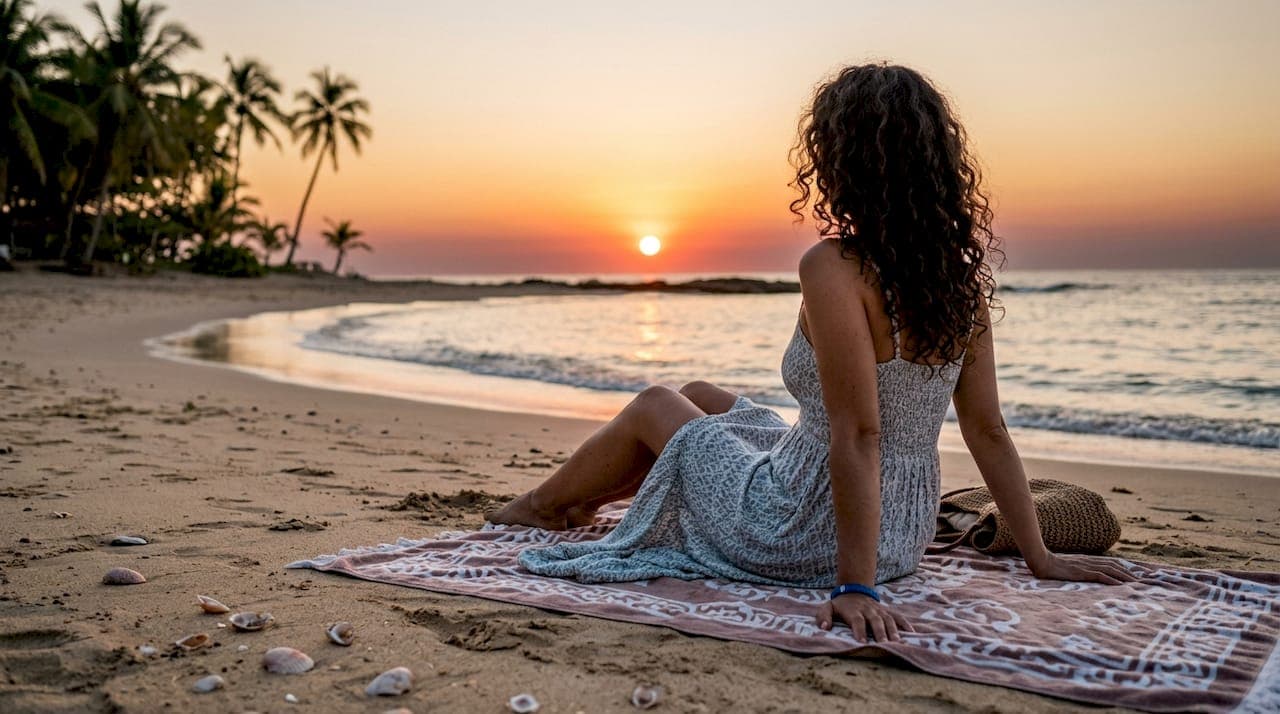
Sunsets are defined as the single most emotionally powerful natural event a traveler can witness, and research now confirms what frequent travelers have long felt. The role of sunsets in travel experience goes far beyond a pretty photo. Watching the sky shift from gold to deep violet triggers real physiological changes, including melatonin production and parasympathetic nervous system activation, that reduce anxiety and restore calm. A new travel trend called "dusking," built entirely around intentional sunset viewing for wellness, is now drawing millions of travelers to destinations specifically for their evening skies. Luanainn, perched above Kealakekua Bay on the Big Island of Hawaii, sits at the center of this shift.
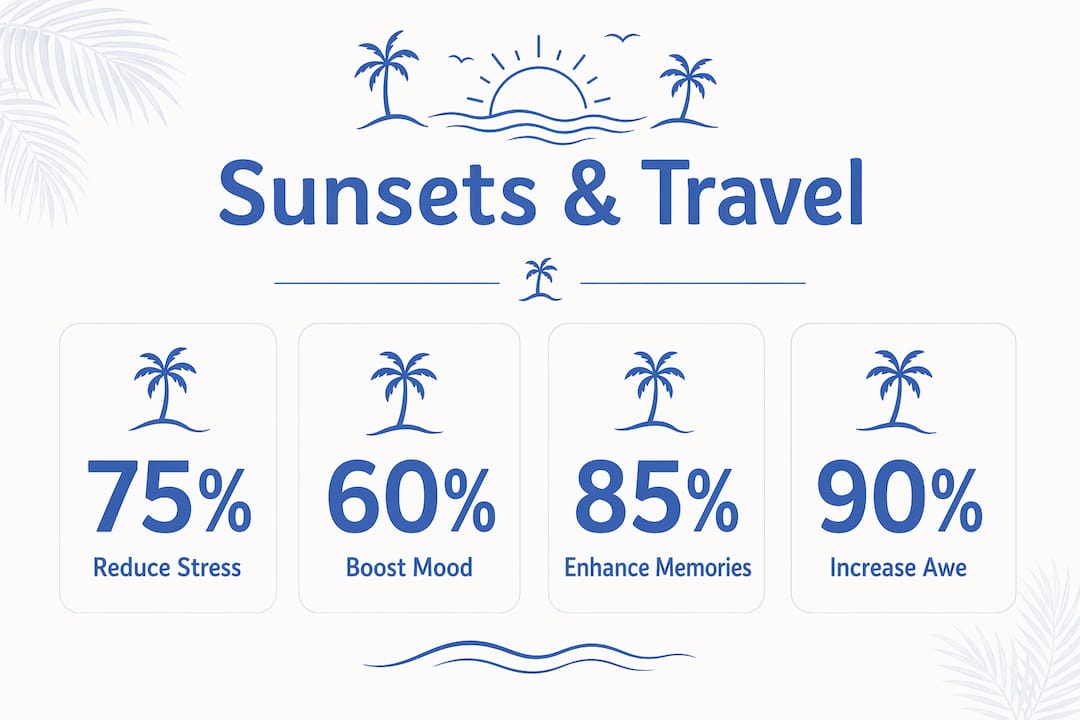
What is the role of sunsets in travel experience?
Sunsets do more than mark the end of a travel day. They create a natural pause, a moment that pulls you out of sightseeing mode and into genuine presence. Travel researchers and wellness experts now recognize sunset viewing as a restorative practice, not just a scenic bonus. The term "dusking" has entered mainstream travel vocabulary to describe this intentional shift toward evening sky experiences as a core part of a trip.
The psychological impact is real and measurable. Watching sunsets significantly reduces anxiety and depression while boosting creativity by regulating the circadian rhythm through natural sensory cues. That means a 20-minute sunset session can do more for your mood than an hour of scrolling through travel apps. For travelers seeking genuine rest alongside adventure, this makes sunset viewing one of the most productive things you can do on a trip.
The impact of sunsets on trips also extends to memory formation. Moments of awe, which sunsets reliably produce, are encoded more deeply in long-term memory than routine experiences. You are far more likely to remember the evening you sat on a hillside watching the Pacific sky turn crimson than the afternoon you spent in a museum gift shop.
How do sunsets affect traveler well-being?
The calming effect of a sunset is not poetic imagination. It is neuroscience. As light shifts from the bright blue spectrum of midday to the warm amber and red tones of dusk, your brain reads this as a signal to wind down. The pineal gland begins releasing melatonin, your body temperature drops slightly, and your nervous system shifts from sympathetic "fight or flight" mode into parasympathetic "rest and digest" mode.
Ocean sounds and sea air entrain your physiology during a coastal sunset, boosting parasympathetic tone and creating a level of bodily relaxation that is difficult to replicate indoors. The multisensory coherence of sight, sound, and scent working together amplifies the emotional benefit far beyond what any single sense could achieve alone.
This is why island and coastal sunsets feel so distinctly restorative. The combination of warm light, salt air, and rhythmic wave sounds creates what neuroscientists call multisensory coherence. Each sense reinforces the others, deepening relaxation and producing a state of calm that travelers often describe as the best they felt during an entire trip.
Awe is the other key ingredient. Psychologists define awe as the feeling triggered when something vast exceeds your current mental framework. Sunsets, with their scale and color range, reliably produce awe. Studies link awe experiences to reduced self-focused thinking, lower inflammation markers, and a stronger sense of connection to others. For travelers, this translates directly into feeling more open, more generous, and more present during the rest of their trip.
Why do sunsets matter in different travel cultures?
Sunsets function as social rituals in many travel destinations, and recognizing this transforms how you experience them. In Costa Rica, Pacific sunsets serve as a genuine community event. Locals and travelers gather on beaches and terraces not to photograph but to share the moment. Conversation slows, phones lower, and the collective experience of watching the sky change becomes the activity itself.
This stands in sharp contrast to the checklist approach that dominates much of modern tourism. Treating a sunset as a photo target to tick off before dinner misses the entire point. The cultural practice in places like Costa Rica, Bali, and Hawaii treats sunset as a transition ritual, a shared breath between the activity of the day and the ease of the evening.
Travelers who engage with local sunset customs report a stronger sense of connection to the place they are visiting. That connection is what separates a memorable trip from a forgettable one. A few specific ways sunset culture enriches travel:
- Communal gathering: Locals in many Pacific destinations treat sunset as a social hour, welcoming travelers into the ritual without formality.
- Pace reset: The act of stopping for sunset signals to your nervous system that the productive part of the day is done, easing the transition to rest.
- Cultural storytelling: In Hawaiian tradition, the evening sky carries meaning tied to navigation, seasons, and the land. Listening to these stories during sunset deepens your sense of place.
- Shared silence: Some of the most powerful sunset moments involve no words at all, just a group of strangers watching the same sky and feeling the same thing.
How can you get the most from sunset photography and viewing?
Getting the most from a sunset requires arriving before it starts. Experts recommend arriving 30–45 minutes early to experience the full arc of light change and give your nervous system time to settle. Most travelers show up exactly at sunset and miss the golden hour, the 20–30 minutes before the sun touches the horizon when light is warmest and shadows are longest.
For sunset photography in travel, follow these steps to capture images that actually reflect what you felt:
- Arrive 30–45 minutes early. Set up your composition before the light peaks. Rushing at the last minute produces rushed photos.
- Choose a clear western horizon. Water, open fields, or elevated terraces give you an unobstructed view and room for foreground elements.
- Set your camera to ISO 100–200 and aperture f/8–f/11. This range keeps your image sharp across the full scene without overexposing the sky.
- Include a foreground subject. A silhouetted tree, a person, or a rock formation gives your image depth and scale. Foreground elements transform a flat sky photo into a story.
- Turn 180 degrees. The landscape behind you is lit by warm backlight during golden hour. Many photographers miss this entirely.
- Stay 20–30 minutes after sunset. Blue hour produces deep purples and reds with far fewer people around. The colors are often more saturated than at the moment of sunset itself.
- Shoot in RAW format. RAW files preserve far more color data than JPEG, giving you room to recover highlights and shadows in editing.
Pro Tip: 30–70% cloud cover produces the most dramatic sunset colors. A completely clear sky often yields a flat, pale horizon. Check the forecast and aim for partly cloudy evenings for the best color dynamics.
Mindfulness matters as much as camera settings. Travel experts note that sunsets should not be viewed as photo targets but as moments to reset and restore the nervous system through sensory focus. Put the phone down for at least the first five minutes. Notice the temperature change, the shift in sound, and the smell of the air. Your memory will hold that experience far longer than any photo.
What are the logistical challenges of sunset tourism?
The dusking trend has made popular sunset spots significantly busier. Santorini sunset content generated nearly 400 million TikTok views and 750,000 Instagram posts, which tells you exactly how much demand is flowing toward a handful of famous viewpoints. That demand creates real logistical problems: crowded terraces, long waits, and an atmosphere that works against the calm you came for.
| Approach | Experience | Best for |
|---|---|---|
| Famous viewpoints | Iconic backdrop, high crowds, advance booking required | First-time visitors, photographers |
| Inland miradors | Quieter, wider sky views, local atmosphere | Repeat travelers, mindful viewers |
| Private terraces | Exclusive access, no crowds, often bookable through accommodation | Couples, wellness-focused travelers |
| Elevated hiking spots | Physical effort rewarded with solitude and panoramic views | Active travelers |
Popular sunset destinations now require advance reservations for the best viewpoints, particularly in Spain, Greece, and coastal Mexico. Booking a week ahead is no longer unusual. The restorative spirit of sunset viewing disappears quickly when you are standing shoulder to shoulder with a hundred other travelers all holding phones above their heads.
Pro Tip: Ask your accommodation host about lesser-known local viewpoints. Hosts at small properties like Luanainn often know hilltop spots and quiet terraces that never appear on travel blogs, and those are exactly where the best sunsets happen.
The solution is straightforward. Seek out inland terraces, elevated residential neighborhoods, or accommodation with private outdoor space. The view may not carry the brand recognition of Santorini's Oia, but the experience will be quieter, more personal, and far more restorative.
Key Takeaways
Sunsets are the most reliably restorative and memorable natural experience available to travelers, and the way you approach them determines whether you leave feeling restored or just photographed.
| Point | Details |
|---|---|
| Sunsets restore the nervous system | Watching the sky shift triggers melatonin release and parasympathetic activation, reducing anxiety. |
| Arrive 30–45 minutes early | Golden hour light and nervous system reset both require time you lose by arriving at the last minute. |
| Multisensory settings amplify benefits | Coastal and island sunsets combine light, sound, and scent to deepen relaxation beyond what any single sense achieves. |
| Cultural engagement enriches the moment | Joining local sunset rituals in places like Costa Rica or Hawaii creates stronger place connection than solo viewing. |
| Avoid crowds for genuine calm | Private terraces, inland miradors, and lesser-known spots preserve the restorative quality that famous viewpoints often lose. |
What I have learned from years of watching the sky change
I used to arrive at sunset viewpoints exactly on time, phone ready, looking for the perfect shot. What I got were rushed photos and a vague sense that I had missed something. The shift happened when I started arriving early enough to actually settle in. Sitting quietly for 30 minutes before the colors peak changes everything. Your breathing slows. You notice the light shifting on the water. By the time the sky turns gold, you are already calm enough to actually feel it.
The social dimension surprised me most. Watching a sunset alone is beautiful. Watching it alongside locals who treat it as a daily ritual is something else entirely. At Luanainn, the view over Kealakekua Bay draws guests out to the terrace every evening without any prompting. People who arrived as strangers end up talking quietly, pointing at the colors, and staying well into blue hour. That shared experience is what they mention when they write back months later.
My honest advice: resist the pressure to capture the perfect image. Take a few shots, then put the camera away. The blue hour photos you take after the sun drops are often better anyway, and by then the crowd has usually thinned. The moments you remember most from any trip are rarely the ones you photographed most aggressively. They are the ones where you were fully present, and sunsets are one of the few travel experiences that actively pull you into that state if you let them.
— Nicole
Luanainn: where every evening ends with the sky on fire
Luanainn sits on a hillside above Kealakekua Bay in the foothills of Mauna Loa, and the view from the terrace changes every single evening. No two sunsets look the same from this spot. The oceanview hilltop setting gives guests an unobstructed western horizon, which means you get the full arc from golden hour through blue hour without moving from your chair.

The property's wellness amenities are designed to extend the calm that a good sunset starts. Guests who want to go deeper can explore vacation packages built around the Big Island's natural rhythms, including its legendary evening skies. Rooms book up quickly during peak travel months, so reserving early gives you the best chance of securing a spot with a direct sunset view. Come ready to slow down, soak up the colors, and let the Pacific sky do the rest.
FAQ
What is "dusking" in travel?
"Dusking" is the practice of intentionally planning travel around sunset viewing for wellness and restoration. It has grown into a recognized travel trend, with destinations like Santorini generating nearly 400 million TikTok views tied to sunset content.
How early should I arrive for a sunset?
Arrive 30–45 minutes before sunset to experience golden hour light and give your nervous system time to settle. Travelers who arrive exactly at sunset miss the best light and the calming buildup that makes the experience restorative.
Does cloud cover ruin a sunset?
Partial cloud cover of 30–70% actually produces the most dramatic colors by reflecting and scattering light across the sky. A completely clear sky often results in a flat, pale horizon with less visual impact.
Why do coastal sunsets feel more relaxing?
Ocean sounds and sea air create multisensory coherence, where sight, sound, and scent reinforce each other to deepen parasympathetic nervous system activation. This combination produces a level of physical relaxation that inland sunsets rarely match.
How do I avoid crowds at popular sunset spots?
Book viewpoints in advance at famous destinations, or ask local hosts about inland miradors, private terraces, and elevated spots that do not appear in mainstream travel guides. Quieter locations preserve the restorative quality that crowded viewpoints lose.