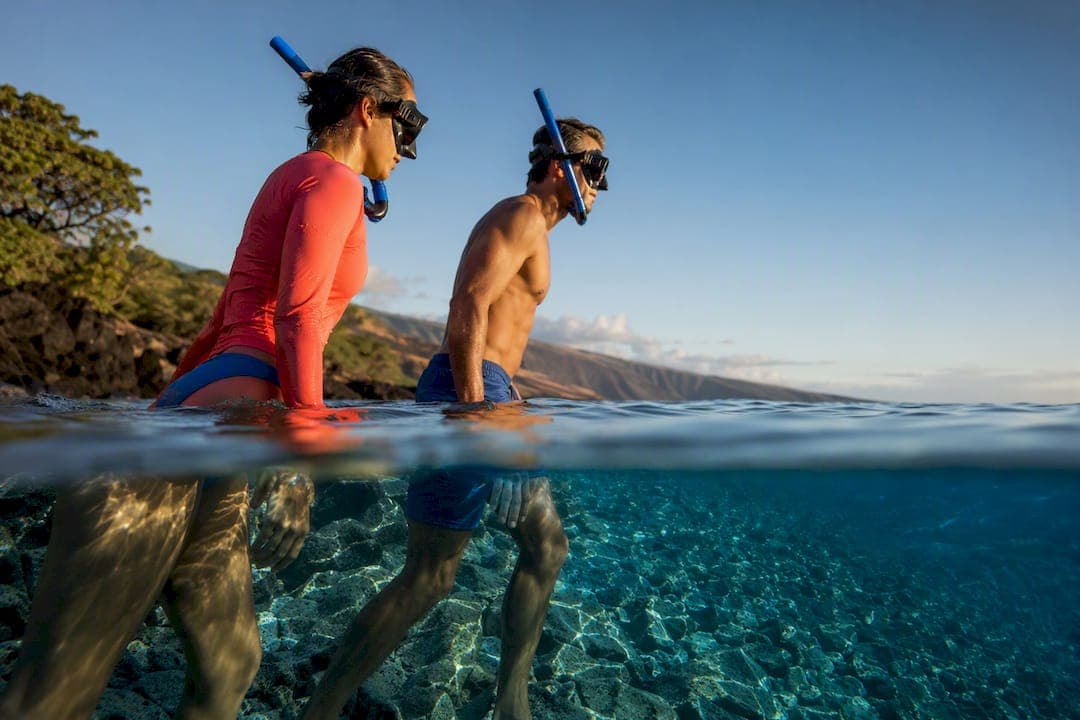
Yes, Kealakekua Bay is one of Hawaii's finest snorkeling destinations, and for most visitors, a morning guided boat tour offers the best mix of easy access, calm water, and reliable safety. This protected marine sanctuary near the Captain Cook Monument rewards early starts with warm, glassy water and some of the clearest views on the Big Island.
TL;DR:
- Arriving before 10 a.m. maximizes visibility and calm water conditions, which are crucial for an optimal snorkeling experience.
- Guided boat trips are ideal for beginners, families, and those short on time, as they include gear, safety, and expert support.
- The bay's protected status prohibits fishing, shell collecting, and approaching wildlife too closely, with violations risking fines.
- Kayaking is suitable only for experienced paddlers willing to paddle long distances and manage currents, while hiking demands significant physical effort.
- Wildlife sightings vary, but expect green sea turtles and colorful reef fish, with seasonal whale sightings from the boat between November and April.
Table of Contents
- Why Kealakekua Bay Is Special for Snorkeling
- Boat, Kayak, or Hike: Which Access Method Fits You?
- What Marine Life Will You See at Kealakekua Bay?
- What Are the Rules and Safety Guidelines at Kealakekua Bay?
- When Is the Best Time to Snorkel Kealakekua Bay?
- Guided Tours vs. DIY: What's Right for You?
- How Do You Get to Kealakekua Bay?
- What Should You Pack for a Day at Kealakekua Bay?
- A Local's View: Staging Your Morning Right
- Official Resources to Check Before You Go
- Plan Your Morning at the Bay
- The Real Lesson From Kealakekua Bay
- Sources
Why Kealakekua Bay Is Special for Snorkeling
Kealakekua Bay has been a protected Marine Life Conservation District since 1969, and that half century of no-take rules shows in the water. Fish populations here are noticeably denser and less skittish than at unprotected shoreline spots, because nothing here has been fished or collected in generations.
Visibility frequently exceeds bright and clear views typical of calm mornings, a range that lets you watch a honu graze on algae from twenty feet away without ever losing sight of it. The bay's sheltering lava cliffs block much of the open ocean swell, which keeps the water calmer than most West Hawaii shorelines.
There's history layered into this geography, too. The white obelisk across the water marks where Captain James Cook died in 1779, and the surrounding cliffs hold Native Hawaiian burial sites and cultural significance that predates that event by centuries. Treat the shoreline near the monument with the same respect you'd want at any resting place, not as a photo backdrop.
What makes the bay so productive:
- Fishing and collecting have been banned here since 1969
- Sheltered cliffs cut down on swell and chop
- Fish behave less skittish around snorkelers than at open shoreline sites
- Cultural sites near the monument deserve quiet, respectful visits
Visibility often tops bright and clear ranges on a calm morning, turning a routine snorkel into something closer to swimming inside an aquarium tank.
Boat, Kayak, or Hike: Which Access Method Fits You?
Three ways get you into the water at the monument, and each demands a different level of fitness, planning, and risk tolerance.
Boat access is the most straightforward option. Tour operators launch nearby, run you straight to the reef, and hand you gear on arrival. Guided boat trips typically include lifeguard-certified crew, marine-naturalist briefings, and in-water support if you need it. That combination makes boats the strongest fit for beginners, families, and anyone with limited time on the island.
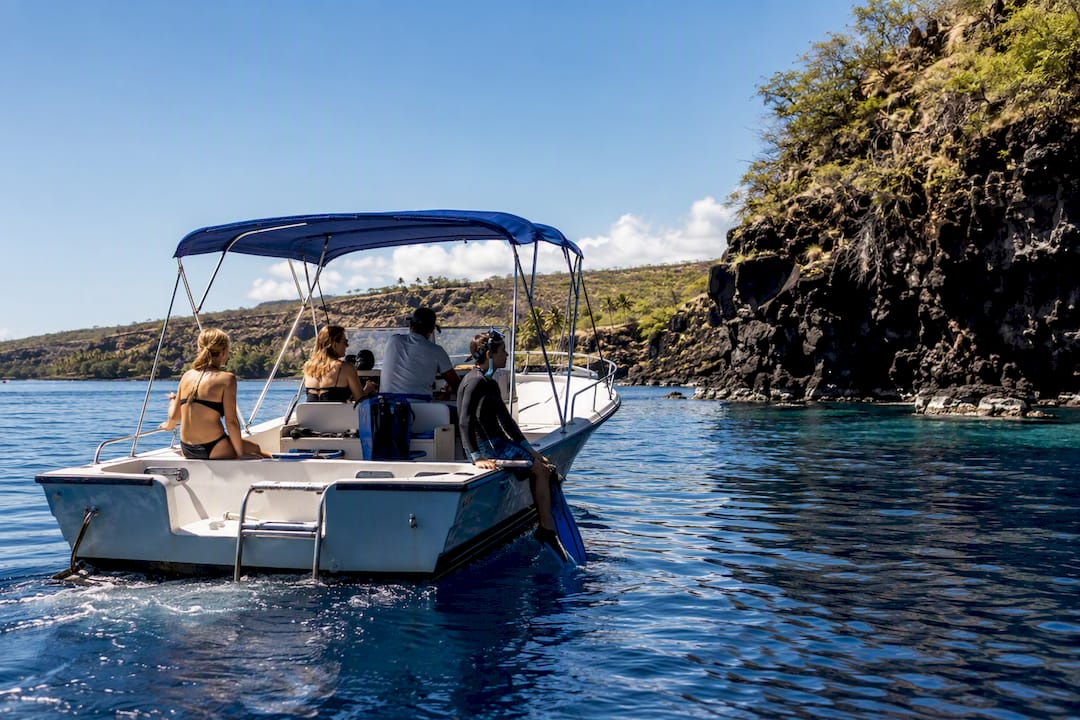
Kayak access gives you independence and a solid arm workout, but it comes with real trade-offs. You'll paddle roughly two miles each way from the nearest public launch, and the return leg often fights wind and current. The state has tightened its posture on independent paddling in the bay over the years, so check current DLNR guidance on kayak permits and any seasonal restrictions before you commit to this route. Kayaking suits experienced paddlers who want to set their own pace and don't mind a workout before the snorkel even starts.
Hiking the Kaʻawaloa Trail appeals to visitors chasing solitude. The trail drops roughly 1,300 feet in about two miles, which sounds manageable until you're climbing back out in full sun with wet gear. Fit hikers who plan for a multi-hour round trip and pack plenty of water can pull it off, but it's not a casual option.
Here's the honest trade-off list:
- Boat: fastest, safest, gear included, best for beginners and mixed-ability groups
- Kayak: independent and active, but a long paddle with real currents to manage
- Hike: free and solitary, but a punishing descent and return climb
Pro Tip: Whichever access method you choose, arrive rested. Marine naturalists who run these trips regularly note that how calm and unhurried a snorkeler feels in the water matters more than the quality of their gear. Burning your energy on a two-hour hike before you even get wet is the single most common way visitors cut their own snorkel time short.
What Marine Life Will You See at Kealakekua Bay?
Expect company almost immediately once you're in the water. Hawaiian green sea turtles, known locally as honu, are commonly sighted throughout the bay, often resting on rocky ledges or grazing in the shallows near the monument.
Reef fish here run the full color spectrum. Yellow tang move in loose schools that flash gold when sunlight hits them, parrotfish crunch audibly on coral as they feed, and butterflyfish patrol in pairs along the reef edge. Keep an eye out for the humuhumunukunukuapuaʻa, Hawaii's state fish, tucked into crevices along the rocky bottom.
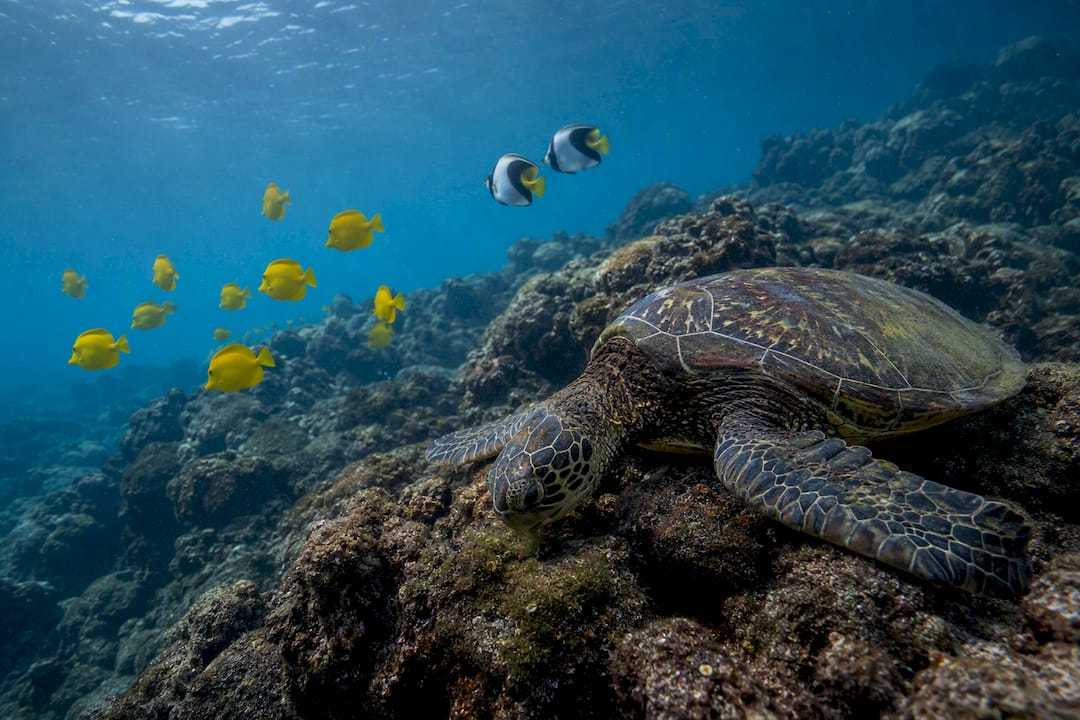
Some sightings are less predictable but not rare. Spotted eagle rays glide through open water on a given morning, octopuses tuck into rock crevices where a sharp eye can spot the telltale color shift, and whitetip reef sharks occasionally rest motionless on the sandy bottom, generally uninterested in snorkelers overhead. Spinner dolphins frequent the bay too, sometimes visible from the boat before you even suit up.
Between roughly November and April, humpback whales pass through Hawaiian waters, and boat crews often spot them from the deck on the ride out. Whale sightings happen at a distance and never as part of the snorkel itself.
A quick look at what shows up most:
- Common: honu, yellow tang, parrotfish, butterflyfish, humuhumunukunukuapuaʻa
- Occasional: spotted eagle rays, octopus, whitetip reef sharks
- Seasonal (Nov–Apr): humpback whales, seen from the boat rather than in the water
No sighting is ever guaranteed. The bay's protected status raises your odds considerably compared to unprotected shorelines, but wildlife here follows its own schedule, not a tour itinerary.
What Are the Rules and Safety Guidelines at Kealakekua Bay?
Kealakekua Bay's MLCD status carries legal weight, not just a suggestion to tread lightly. Collecting shells, coral, or marine life of any kind is prohibited, and so is fishing anywhere inside the district boundaries. Violating these rules can carry real fines, and rangers do patrol the area.
Wildlife distance matters just as much as no-take rules. NPS etiquette guidance is direct on this point:
Do not touch or stand on coral, do not feed wildlife, and maintain a respectful distance from marine animals at all times. A turtle resting on a rock or a dolphin passing through the bay is not an invitation to approach.
Follow these safety basics before you get in the water:
- Snorkel with a buddy and agree on a check-in signal before you separate
- Wear a flotation vest if you're not a strong, confident swimmer
- Stay alert for boat traffic, especially near tour launch and pickup zones
- Reschedule if wind or swell has already picked up by mid-morning
- Check Hawaii Ocean Safety advisories before you head out
When Is the Best Time to Snorkel Kealakekua Bay?
Morning is not a suggestion here, it's the difference between a great day and a mediocre one. Aim to be in the water before 10 a.m., since the Kona breeze that builds most afternoons churns up the surface and cuts underwater visibility noticeably by early afternoon.
Boats and guides deliberately position snorkelers near the monument's coral gardens early, before wind has a chance to build. Arrive after that window closes and you'll likely find choppier water and murkier visibility, with less time to enjoy it before conditions push you back to shore.
Season matters less for the snorkeling itself than for what you might see along the way:
- November through April: prime humpback whale season, viewable from the boat deck
- Summer months: generally calmer overall wind patterns and fewer whale sightings
- Any season: mornings consistently outperform afternoons for clarity and calm water
Check your operator's advisory the morning of your trip. Conditions here shift quickly, and a good outfitter will tell you honestly if the water isn't cooperating.
Guided Tours vs. DIY: What's Right for You?
Every access method works for somebody, but not everybody is suited to every method.
Guided boat tours make the most sense for first-time visitors, families with kids, and anyone who wants gear, safety oversight, and a naturalist explaining what you're looking at, all without extra planning on your end. This is the path with the fewest ways to go wrong.
Guided kayak trips work well for fit paddlers who want a smaller group and a bit more independence than a boat allows, while still having someone experienced managing the route and timing.
DIY approaches, whether by kayak or the Kaʻawaloa Trail, belong to experienced, self-sufficient visitors who understand the currents, the terrain, and the fact that help is farther away if something goes wrong.
Run through this before you book anything:
- Do I have limited time on the island? Choose a boat.
- Do I want exercise and independence, with real paddling experience already? Consider a guided kayak.
- Am I fit, self-sufficient, and comfortable with a strenuous solo hike? The trail could work.
- Am I traveling with kids, older adults, or anyone unsure in open water? A boat is the safer call.
Pro Tip: If you're torn between kayak and boat, remember the kayak isn't free time, it's a workout that happens before your snorkel even starts. Factor that fatigue into how much you'll actually enjoy the reef once you arrive.
How Do You Get to Kealakekua Bay?
Getting to the water takes some planning, since none of the three access points are simple drive-up-and-jump-in situations.
- Drive Highway 11 toward Nāpōʻopoʻo, where parking at Nāpōʻopoʻo Beach is limited and fills early, especially on weekends.
- Boat tours commonly launch from Keauhou Bay, roughly a 45-minute run each way to the monument, so budget that transit time into your day.
- The Kaʻawaloa Trail starts near Nāpōʻopoʻo and drops about 1,300 feet over roughly two miles, with no facilities, water, or shade along the way.
- Kayak launches typically sit near Nāpōʻopoʻo as well; watch for return currents that make the paddle back noticeably harder than the paddle out.
Note that the popular Two Step snorkeling spot near Hōnaunau is a separate location outside park boundaries, distinct from the monument access described here. Don't confuse the two when mapping your day.
What Should You Pack for a Day at Kealakekua Bay?
A short packing list solves most of the problems first-time visitors run into.
Bring reef-safe sunscreen (the reef-toxic kind is not just bad form, it damages coral tissue), a mask, snorkel, and fins if you have your own, or plan to rent from your tour operator. A snorkel vest is worth packing even if you're a confident swimmer, since floating effortlessly for an hour beats treading water the whole time. Round it out with a rashguard, a hat for the boat ride, and more water than you think you'll need.
Entry and exit deserve a little thought too. Boat entries usually mean a ladder or a giant step off the platform, both manageable with basic fin technique. Rocky shore entries near Nāpōʻopoʻo are less forgiving. Reef shoes or sturdy sandals help on the lava rock until you're ready to put fins on in the water.
- Reef-safe sunscreen
- Mask, snorkel, fins (own or rental)
- Snorkel vest for effortless floating
- Rashguard, hat, and extra water
- Reef shoes for rocky entry points
Pro Tip: Save your energy budget for the water, not the approach. If a long hike or paddle is your only access option, cut back on other physical activity that morning so you're not snorkeling on tired legs and a tired brain.
A Local's View: Staging Your Morning Right
Luana Inn sits in the foothills above the bay, close enough that an early departure doesn't mean a pre-dawn alarm. Staying nearby buys you first-in-line parking at Nāpōʻopoʻo and a real shot at that pre-10 a.m. water window.
Nicole, who knows this stretch of coastline well, suggests checking tide tables the night before and walking, not driving, past any cultural sites near the monument rather than treating them as a shortcut. A few quiet minutes of respect go a long way here. For a deeper local breakdown of the monument access itself, see Luana Inn's guide to snorkeling at Captain Cook Monument.
Official Resources to Check Before You Go
Confirm current rules and conditions with the DLNR MLCD page, Hawaii Ocean Safety, and your tour operator's morning advisory.
Plan Your Morning at the Bay
Book a room at Luana Inn, where an oceanview hilltop stay near Captain Cook puts you minutes from Nāpōʻopoʻo and the early departure times that make or break a Kealakekua Bay trip. Browse the rooms overview to find a fit for your dates, or look at a bundled vacation package that pairs your stay with local experiences. If you'd rather spread the cost of a Hawaii trip over time, this family vacation savings guide walks through practical budgeting steps worth reading before you book flights.
The Real Lesson From Kealakekua Bay
Most advice on this bay focuses on the wrong variable. Guides argue endlessly over kayak versus boat versus trail, as if the access method were the whole decision. It isn't. The timing decision, being in the water before the Kona breeze builds, matters more than how you got there.
I'd also push back gently on the romance of the hike. The Kaʻawaloa Trail gets described as the "authentic" way to reach the monument, but a 1,300-foot descent followed by a punishing climb back out in full sun leaves most people too depleted to actually enjoy the reef. That's not authenticity, that's just poor energy management dressed up as adventure.
If you take one thing from this guide, prioritize the morning window over the method. A boat, kayak, or hike arriving at 7:30 a.m. will beat any of the three arriving at 11.
— Nicole