
Restorative travel is a focused approach to travel designed to reset the nervous system and foster emotional calm through intentional relaxation and nature immersion. Unlike performance-driven wellness tourism, it prioritizes nervous system regulation over body optimization. The Global Wellness Institute tracks this sector as one of the fastest-growing in travel, with projections reaching $1.4 trillion by 2029. That number reflects a real shift in what travelers want. The types of restorative travel experiences gaining traction in 2026 center on slowcations, sensory calm, and genuine permission to do nothing at all.
1. Types of restorative travel experiences rooted in nature immersion
Nature immersion is the most accessible and well-supported form of restorative travel. Time spent in forests, near open water, or along quiet trails lowers cortisol and activates the parasympathetic nervous system. The effect is not metaphorical. It is physiological.
The Japanese practice of shinrin-yoku, or forest bathing, is the most studied example. It involves slow, silent walks through forested areas with no destination or goal. Ocean swimming produces similar results through cold exposure, rhythmic movement, and sensory focus. Quiet lakeside retreats work because they offer what researchers call low cognitive load environments: minimal decisions, minimal noise, minimal stimulation.
- Forest bathing: Slow, silent walks in dense tree cover, ideally 60–90 minutes with no phone
- Ocean swimming: Cold water immersion that triggers the dive reflex and slows heart rate
- Lakeside retreats: Still-water settings that reduce visual and auditory overstimulation
- Coastal walks: Rhythmic movement paired with open horizons, which reduces mental rumination
- Desert or mountain silence: High-altitude or arid settings that strip away urban sensory noise
High-traffic tourist areas often undermine restorative goals despite looking calm in photos. A beach resort with loud music and crowds activates the nervous system rather than settling it. Choose destinations with natural, noise-dampening architecture and low screen-time triggers.
Pro Tip: Book accommodations at least one mile from the nearest commercial center. Background tourism noise, even at low volume, keeps the nervous system in a mild alert state.
2. Curated wellness retreats for nervous system reset
Curated wellness retreats are the most structured type of restorative travel. The best ones are built around one principle: remove decisions so the nervous system can stop working. The ideal program length is 5–7 days with minimal forced scheduling. That duration gives the body enough time to shift out of chronic stress patterns.
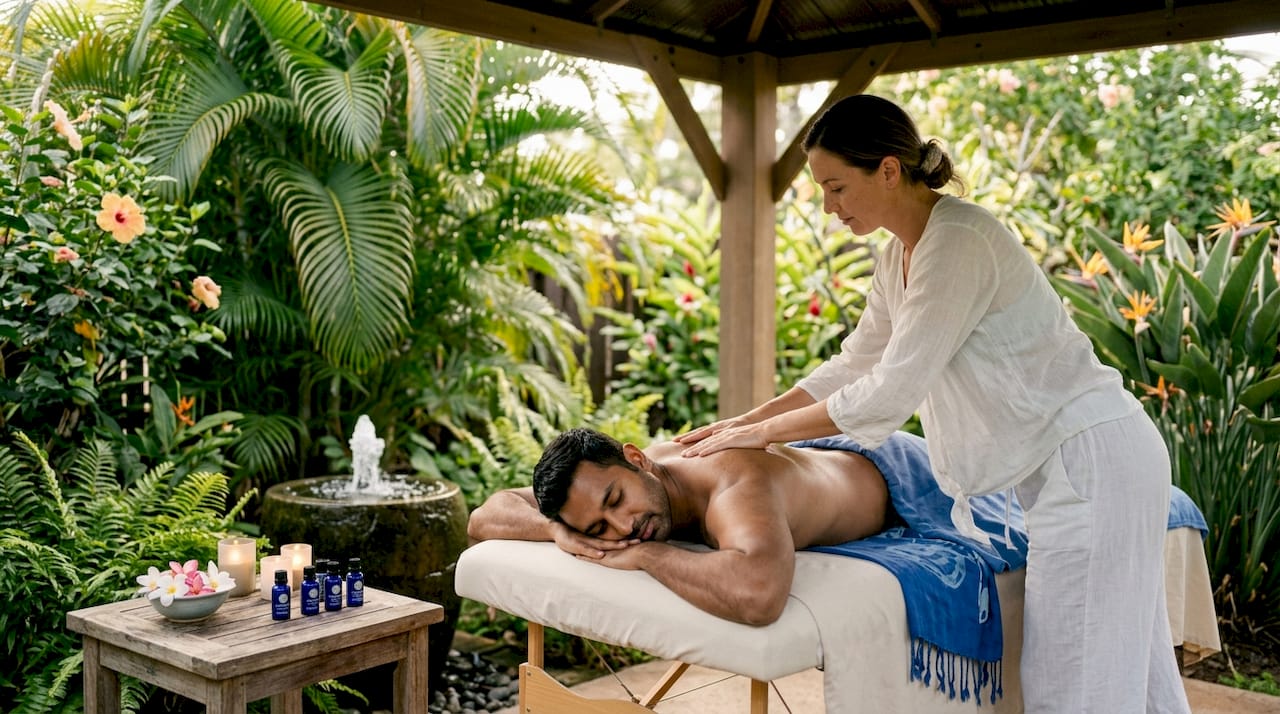
What separates a restorative retreat from a performance-focused wellness trip is the absence of pressure. You are not tracking metrics, hitting targets, or completing a detox protocol. You are resting.
Top-tier retreats typically include:
- Diagnostic screenings on arrival to personalize the experience without overwhelming guests with data
- Circadian lighting in rooms that shifts from bright morning tones to warm amber by evening
- Spa treatments scheduled with gaps, not back to back, to allow integration time
- Meals designed for calm with low stimulant content and no rushed dining windows
- Optional programming so guests never feel obligated to attend anything
- Integration phases built into each day, giving explicit permission to do nothing
Integration phases address performance guilt, which is one of the most common barriers to real rest. Many travelers feel they are wasting money if they are not doing something. The best retreats design around this by making stillness feel like the program.
| Feature | Restorative retreat | Performance wellness retreat |
|---|---|---|
| Schedule density | Minimal, optional | Packed, mandatory |
| Primary goal | Nervous system calm | Body optimization |
| Technology policy | Screens discouraged | Tracking devices encouraged |
| Typical duration | 5–7 days | 3–5 days |
| Cost range | $2,800–$6,000+ | Varies widely |
Retreat costs typically range from $2,800 to $6,000+, often including personalized therapies and travel insurance for remote locations. Luanainn's special events and retreats offer a more accessible entry point without sacrificing the calm environment that makes restoration possible.
Pro Tip: Ask any retreat about its "integration time" policy before booking. If every hour is scheduled, it is a performance program wearing restorative clothing.
3. Digital detox and slowcation approaches
A slowcation is a vacation built around unstructured time. No itinerary. No bucket list. No alarm clock. 57% of American travelers favor slowcations, which shows this is not a niche preference. It is a mainstream shift in how people want to travel.
Digital detox within travel means reducing or eliminating screen time for the duration of the trip. The nervous system responds to phone notifications the same way it responds to mild threats. Removing that input, even for 48 hours, produces measurable calm.
- Leave the phone in the room during meals and morning hours to protect the two most restorative windows of the day
- Choose accommodations without in-room televisions or with screens that can be easily covered or removed
- Avoid booking flights with layovers that force you into loud, stimulating airport environments for hours
- Pick regional short-haul destinations over long-haul exotic trips when the goal is nervous system rest
Low-cost regional short-haul trips can outperform luxury exotic resorts for nervous system regulation. The travel stress of long-haul flights, time zone shifts, and unfamiliar environments adds cognitive load before the trip even begins. A quiet cabin two hours from home often delivers more restoration than a 14-hour flight to a tropical resort.
The 2026 trend in restorative travel is moving away from clinical detox language toward a vocabulary of joy and calm. You do not need to "cleanse" anything. You need to stop adding inputs and let your system settle.
4. Mindful and cultural experiences that support healing
Mindful travel experiences use cultural rituals, meditative practices, and social connection to produce emotional restoration. These are not passive activities. They engage the mind in a focused, low-pressure way that crowds out rumination.
Sound healing sessions use sustained tones from singing bowls or gongs to shift brainwave activity toward slower, more restful states. Breathwork practices like box breathing or 4-7-8 breathing activate the vagus nerve directly. Local ceremonies, when attended respectfully and without a tourist agenda, create a sense of belonging that supports emotional recharge.
"The most restorative trips engineer every detail, from lighting to meals to interactions, to be invisible. The goal is to minimize cognitive load and decision fatigue so the guest never has to think about what comes next." — Restorative travel design principle
Social connectivity is an underrated component of healing vacation ideas. Loneliness activates the same stress pathways as physical pain. Shared meals, group walks, and community-based cultural experiences counteract that activation. The key is low-pressure social contact, not forced group bonding.
Mindful cultural experiences that work well for restoration include:
- Sound baths in small group settings with no performance expectation
- Guided breathwork sessions of 20–30 minutes, ideally in the morning
- Local cooking classes that focus on slow preparation rather than technique mastery
- Sunrise or sunset observation as a daily ritual with no agenda attached
- Community storytelling or music that invites presence without requiring participation
The shift in 2026 wellness travel is toward experiences that blend physical rest with emotional purpose. Stress recovery requires reducing inputs, not adding more wellness tasks. Cultural immersion works because it gives the mind something gentle to focus on while the body rests.
Key takeaways
The most effective restorative travel prioritizes nervous system regulation through reduced inputs, sensory calm, and unstructured time rather than packed wellness schedules.
| Point | Details |
|---|---|
| Nature immersion works physiologically | Forest bathing, ocean swimming, and quiet lakeside stays lower cortisol and activate the parasympathetic nervous system. |
| Retreat length matters | A 5–7 day program with optional scheduling gives the nervous system enough time to genuinely shift. |
| Slowcations outperform exotic trips | Regional short-haul destinations often deliver more restoration than long-haul travel with its added cognitive load. |
| Digital detox is a core tool | Removing screen inputs for even 48 hours produces measurable calm and supports deeper rest. |
| Integration time is non-negotiable | Retreats without built-in "do nothing" phases often increase stress rather than reduce it. |
What I've learned about choosing the right restorative trip
The biggest mistake I see travelers make is treating a restorative trip like a productivity project. They research every spa, pre-book every activity, and arrive with a color-coded schedule. That approach defeats the purpose before the bags are unpacked.
Real restoration requires what I call emotional permission. You have to genuinely believe that lying in a hammock watching the ocean is the most useful thing you can do. Most people intellectually agree but emotionally resist it. The trips that actually work are the ones where the environment makes that permission easy. A place with no Wi-Fi, no agenda, and a view that holds your attention without demanding anything from you.
Removing choice and decision fatigue is the real luxury of restorative travel. The best destinations I have experienced handle every detail so you never have to think about logistics. That is not laziness. That is design.
My practical advice: pick one type of restorative experience and commit to it fully. Do not combine a digital detox with a packed cultural itinerary. Do not add a cooking class to a nervous system reset retreat. Simplicity is the mechanism. The moment you start adding things, you are back in performance mode.
— Nicole
A restorative stay on the Big Island awaits you
Luanainn sits in the foothills of Mauna Loa, overlooking Kealakekua Bay with views that shift from pastel sunrises to breathtaking sunsets. The setting does the work for you. There are no crowds, no noise, and no agenda. Just open sky, warm air, and the kind of quiet that actually settles the nervous system.
You can kick back on the lanai, gaze at the bay, and let the day move at its own pace. Luanainn's spa treatments and wellness packages are designed around exactly the principles covered here: minimal scheduling, sensory calm, and genuine rest. Whether you want a few nights of slow mornings or a longer stay with optional wellness experiences, Luanainn has a room and a pace that fits.
FAQ
What is a restorative travel experience?
A restorative travel experience is a trip designed to reset the nervous system through reduced stimulation, nature immersion, and unstructured time. It prioritizes calm and emotional recovery over sightseeing or wellness performance.
How long should a restorative trip be?
The ideal duration is 5–7 days. That length gives the nervous system enough time to shift out of chronic stress patterns, especially when the schedule is minimal and optional.
Are slowcations effective for stress recovery?
Yes. Slowcations reduce cognitive load by removing itineraries, deadlines, and decision-making. Regional short-haul slowcations are often more effective than long-haul exotic trips because travel stress itself adds nervous system activation.
What makes a wellness retreat truly restorative?
A restorative retreat includes integration phases, optional programming, and an environment that removes decisions. Retreats with back-to-back mandatory activities keep the nervous system activated and work against genuine rest.
Can mindful cultural experiences count as restorative travel?
Yes. Sound healing, breathwork, shared meals, and low-pressure community experiences all support nervous system calm. The key is choosing activities that invite presence without demanding performance.