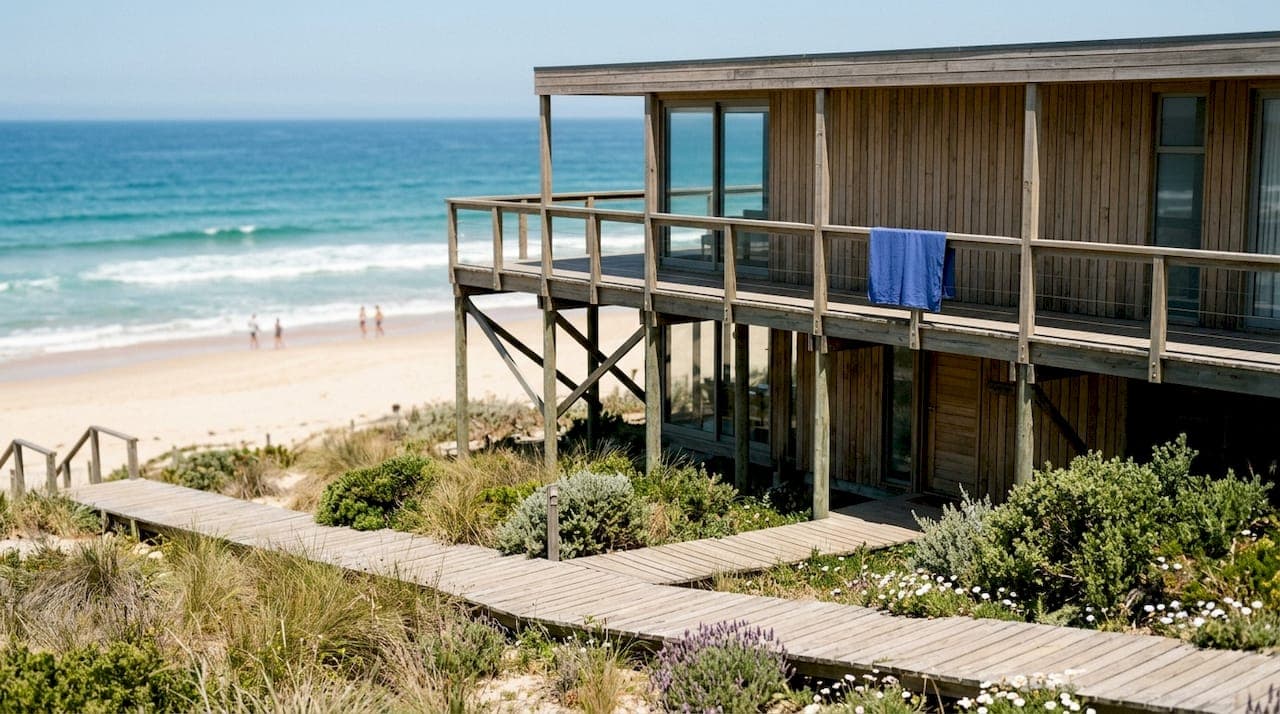
Elevated coastal lodging is defined as accommodations built above the Base Flood Elevation to protect guests from storm surges while delivering panoramic views, natural airflow, and genuine privacy. The industry term for this category is "raised coastal accommodation," though travelers and designers widely use the phrase "elevated coastal lodging" to describe the same concept. Properties in this category sit 8–15 feet above ground on pilings or raised foundations, meeting flood zone building codes while creating a guest experience that standard ground-level stays simply cannot match. Luanainn, perched in the foothills of Mauna Loa overlooking Kealakekua Bay, is a strong example of how elevation transforms a coastal stay into something memorable.
What is elevated coastal lodging and how does it work?
Elevated coastal lodging refers to any accommodation raised above the surrounding ground plane to reduce flood vulnerability and improve the guest experience. The structural approach combines raised foundations, corrosion-resistant materials, and thoughtful design to meet both safety codes and hospitality goals. Properties in this category range from beachfront vacation rentals on pilings to hilltop bed and breakfasts with sweeping ocean views.
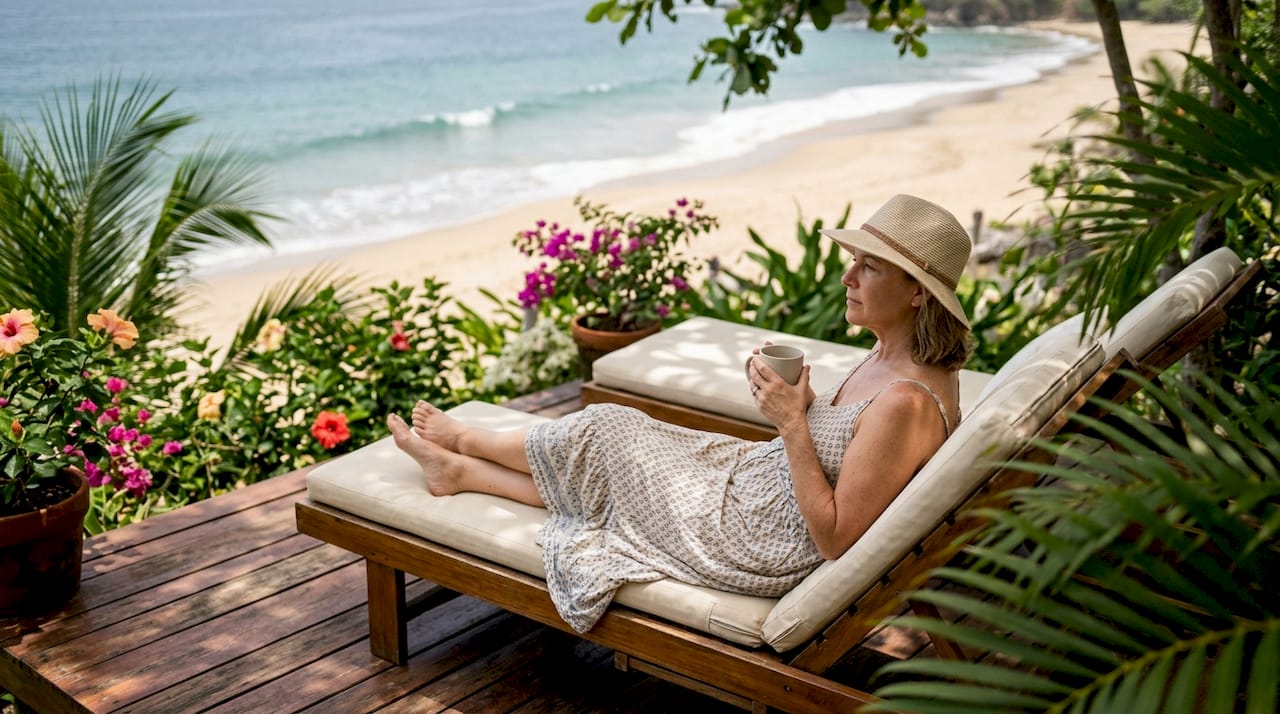
The core appeal goes beyond flood safety. Guest preference for elevated lodging stems from a combination of sea access without noise, spaciousness, natural light, and the psychological comfort of sitting above flood threats. That combination is what separates elevated waterfront accommodations from ordinary beachfront rooms.
Elevation also carries financial weight. Homes and lodgings raised just one foot above the Base Flood Elevation can reduce annual flood insurance premiums by 15% to 30%. For property owners, that savings often translates into better maintained facilities and more competitive pricing for guests.
What are the engineering and building standards for elevated coastal lodging?
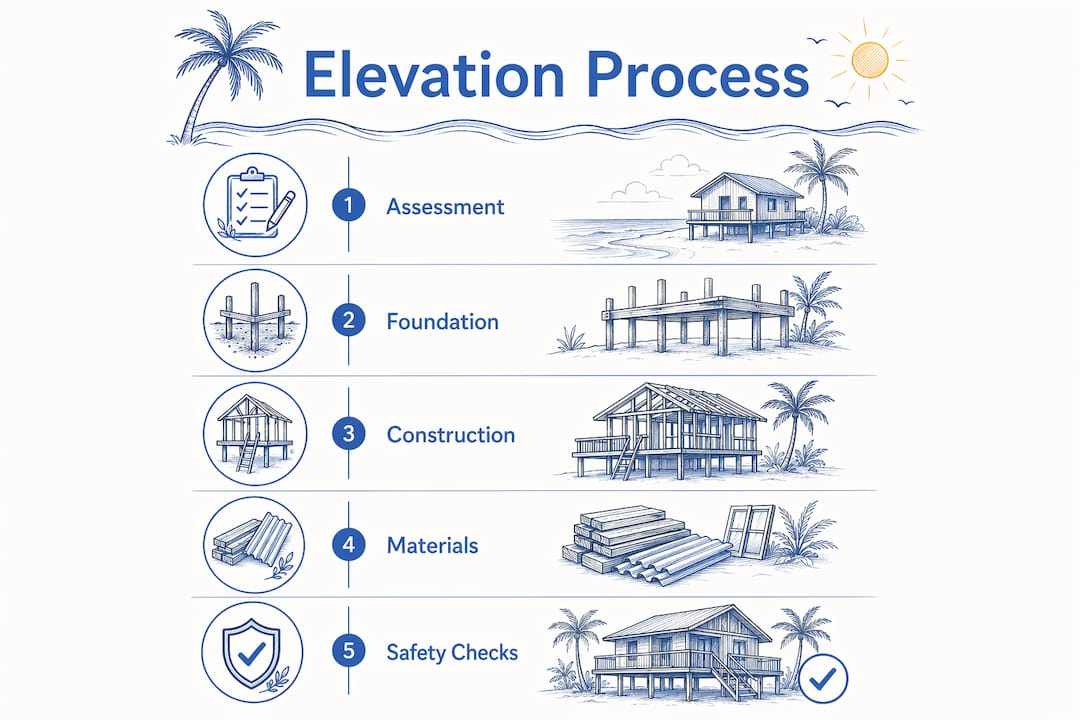
Elevated coastal properties follow specific structural rules designed to keep guests safe and buildings standing through severe weather. Elevating structures 8–15 feet above ground is the common standard in flood-prone coastal regions. That height puts living spaces above the reach of most storm surges and satisfies local building code requirements in designated flood zones.
Foundation types and structural design
Piling foundations are the most common choice for elevated coastal lodging. Pilings are driven deep into the ground and support the structure above, allowing water to pass underneath during a flood event without damaging the main living areas. The space beneath the structure is not wasted. Space under elevated homes is commonly used for parking, storage, or covered semi-outdoor patios, adding practical value without compromising flood safety.
Materials built for the coast
Salt air is one of the most corrosive forces a coastal building faces. Coastal construction requires materials like stainless steel fasteners, fiber-cement siding, and impact-resistant glass to withstand that environment. These choices reduce long-term maintenance costs and keep the property looking sharp year after year.
Key material and code considerations for elevated coastal lodging include:
- Piling depth: Pilings must reach stable soil below the scour line to resist storm-force lateral loads.
- Stainless steel fasteners: Standard galvanized hardware corrodes within a few years in salt air environments.
- Fiber-cement siding: Resists moisture, insects, and salt without warping or rotting.
- Impact-resistant glass: Required in many coastal building codes to withstand hurricane-force winds.
- Flood zone compliance: Local FEMA flood maps determine the minimum elevation required for each specific site.
Pro Tip: Ask any elevated coastal property about its flood zone designation before booking. A property in Zone AE or VE has met stricter elevation and construction standards than one in Zone X, which signals a higher level of structural care.
How does elevation enhance guest experience in coastal lodging?
Elevation changes what you see, hear, and feel from the moment you walk in. Elevated coastal lodging delivers three core benefits for travelers: broader panoramic scenery, separation from street-level noise, and improved natural airflow through the rooms. Each of those benefits directly shapes how relaxed and refreshed you feel during your stay.
Here is how those benefits play out in practice:
- Panoramic views: Rooms and balconies sit above tree lines, rooftops, and beach crowds, giving you unobstructed sightlines to the water and horizon.
- Noise reduction: Ground-level traffic, foot traffic, and beach activity fade significantly when your living space is one or two stories up.
- Natural ventilation: Ocean breezes move more freely at elevation, reducing the need for air conditioning and keeping rooms cooler and fresher.
- Multi-level outdoor living: Elevated properties often feature wraparound decks, covered lanais, and tiered balconies that create distinct outdoor spaces for dining, lounging, and watching sunsets.
- Privacy: Height creates a natural buffer between your space and neighboring properties or public beach areas.
Accessibility is a practical factor worth checking before you book. Elevators in elevated coastal accommodations improve access for guests with mobility challenges and make luggage handling far easier. Not every elevated property has one, so travelers with mobility needs should confirm this detail directly with the host.
Pro Tip: Book a room on the upper level of an elevated property whenever possible. The view improvement from even one additional floor is significant, and the noise reduction is noticeably better.
What environmental and ecological factors influence elevated coastal lodging design?
Elevated coastal lodging does more than protect guests. When designed thoughtfully, it also protects the environment beneath and around it. The goal is to let the natural setting remain intact while giving guests full access to its beauty.
Elevated wooden walkways and platforms minimize ground-level disturbance to fragile ecosystems like dune systems and coastal vegetation. Guests walk above the dunes rather than through them, which preserves the root systems that hold the coastline in place. This approach is now a standard feature in eco-luxury coastal lodging design.
Key ecological design principles used in elevated coastal properties include:
- Minimal ground disturbance: Piling foundations require fewer ground-level cuts than slab construction, reducing soil compaction and runoff.
- Elevated walkways: Boardwalks and raised paths protect dune grasses, nesting areas, and tidal vegetation.
- Permeable understory: The open ground beneath a raised structure allows rainwater to absorb naturally rather than running off into the ocean.
- Native landscaping: Many elevated properties use native coastal plants around the base, which require less water and support local wildlife.
"True eco-luxury coastal lodging uses elevated walkways to merge design with ecosystem preservation, enhancing guest immersion. The building disappears into the dunes rather than replacing them, and guests feel more connected to the place because of it."
Architectural lodging positions the building itself as the brand, using design to frame views and sensory experiences that standard hotels cannot replicate. That philosophy is what drives the best elevated coastal properties to work with the landscape rather than against it.
How to choose the right elevated coastal lodging for your vacation?
Choosing the right elevated waterfront accommodation comes down to matching the property's specific features to what matters most to you. Safety, views, accessibility, and amenities all vary between properties, even within the same coastal area.
Use this comparison to clarify your priorities:
| What you want | What to look for |
|---|---|
| Maximum flood safety | Flood zone designation AE or VE, elevation certificate on file |
| Best ocean views | Upper-floor rooms, wraparound decks, unobstructed sightlines |
| Accessibility | Residential elevator, wide doorways, ground-level entry option |
| Privacy and quiet | Distance from public beach access, height above street level |
| Practical convenience | Covered parking below structure, outdoor storage, beach gear rinse station |
| Value | Insurance-grade elevation that reflects in lower operating costs and better upkeep |
Beyond the comparison table, a few additional factors are worth checking directly with the property:
- Elevation certificate: A formal document confirming the property's height above the Base Flood Elevation. Properties with one on file are more transparent about their flood safety credentials.
- Deck and balcony orientation: South or west-facing outdoor spaces catch the best afternoon light and sunset views in most coastal locations.
- Parking arrangement: Many elevated properties use the space beneath the structure for covered parking, which protects your vehicle from sun and weather.
- Guest amenities: Look for outdoor showers, gear storage, and covered gathering spaces that make the most of the elevated setting.
The right elevated coastal lodging feels like the location itself, not just a place to sleep near it.
Key Takeaways
Elevated coastal lodging combines flood safety engineering with intentional design to create a guest experience that ground-level accommodations cannot replicate.
| Point | Details |
|---|---|
| Elevation height standard | Properties raised 8–15 feet above ground meet flood zone codes and reduce storm surge risk. |
| Insurance and value | Elevation above the Base Flood Elevation can cut annual flood insurance premiums by 15%–30%. |
| Guest experience benefits | Panoramic views, noise reduction, and natural airflow are the three core advantages of elevation. |
| Ecological design | Elevated walkways and piling foundations protect coastal ecosystems while giving guests full access to them. |
| Choosing wisely | Check the flood zone designation, elevator access, deck orientation, and elevation certificate before booking. |
Why elevation is about more than staying dry
I have spent years paying attention to what separates a forgettable coastal stay from one that guests talk about for years. The answer is almost never the thread count or the pool. It is the feeling of being above it all, literally and figuratively.
Elevation changes your relationship with a place. When you are sitting on a deck 12 feet above the ground, watching the light shift across the water at dusk, you are not just looking at the coast. You are inside the experience of it. The noise of the world below fades, the breeze moves through without obstruction, and the view fills your entire field of vision. That is not a design accident. It is the result of deliberate architectural thinking.
What I find most interesting is how guest expectations have shifted. Travelers now ask about elevation the way they used to ask about ocean-facing rooms. They want to know the height, the deck orientation, and whether the property has done the work to earn its position in the landscape. Eco-conscious travelers go further, asking about ground disturbance, native planting, and walkway design. The bar has risen, and the best elevated coastal properties have risen with it.
The properties that get this right treat the building as part of the environment, not a structure placed on top of it. That philosophy shows up in every detail, from the materials used to the way a deck frames a particular view of the horizon. When a property gets that right, guests do not just enjoy their stay. They feel it.
— Nicole
Luanainn: elevated coastal lodging on the Big Island
Luanainn sits above Kealakekua Bay in the foothills of Mauna Loa, giving guests the full experience of elevated coastal lodging without the crowds of a typical beachfront resort. The hilltop position delivers panoramic ocean views from every angle, steady trade wind breezes, and the kind of quiet that only comes with genuine elevation. Sunsets paint the bay in color every evening, and mornings bring pastel light over the mountain that you simply cannot see from sea level.
The rooms at Luanainn are comfortable, private, and designed to let the setting do the talking. You can browse the full rooms overview to find the option that fits your travel style, or check out vacation packages if you want a complete Big Island experience planned out for you. This is the kind of place that reminds you why you travel in the first place.
FAQ
What is elevated coastal lodging?
Elevated coastal lodging is accommodation built above the Base Flood Elevation on pilings or raised foundations to protect guests from storm surges while delivering panoramic views, natural airflow, and privacy.
How high above the ground are elevated coastal properties?
Elevated coastal structures are typically raised 8–15 feet above the ground, a height that satisfies most flood zone building codes and protects against storm surge damage.
Do elevated coastal lodgings have elevators?
Not all elevated properties include elevators. Elevators in multi-level coastal accommodations improve accessibility for guests with mobility challenges, so travelers with those needs should confirm availability before booking.
What materials are used in elevated coastal construction?
Coastal construction uses materials like stainless steel fasteners, fiber-cement siding, and impact-resistant glass to resist salt air corrosion and meet coastal building codes.
What are the main benefits of elevated lodging for travelers?
The three core benefits are broader panoramic views, reduced street-level noise, and improved natural ventilation. Elevated properties also tend to offer more privacy and multi-level outdoor living spaces compared to ground-level coastal options.