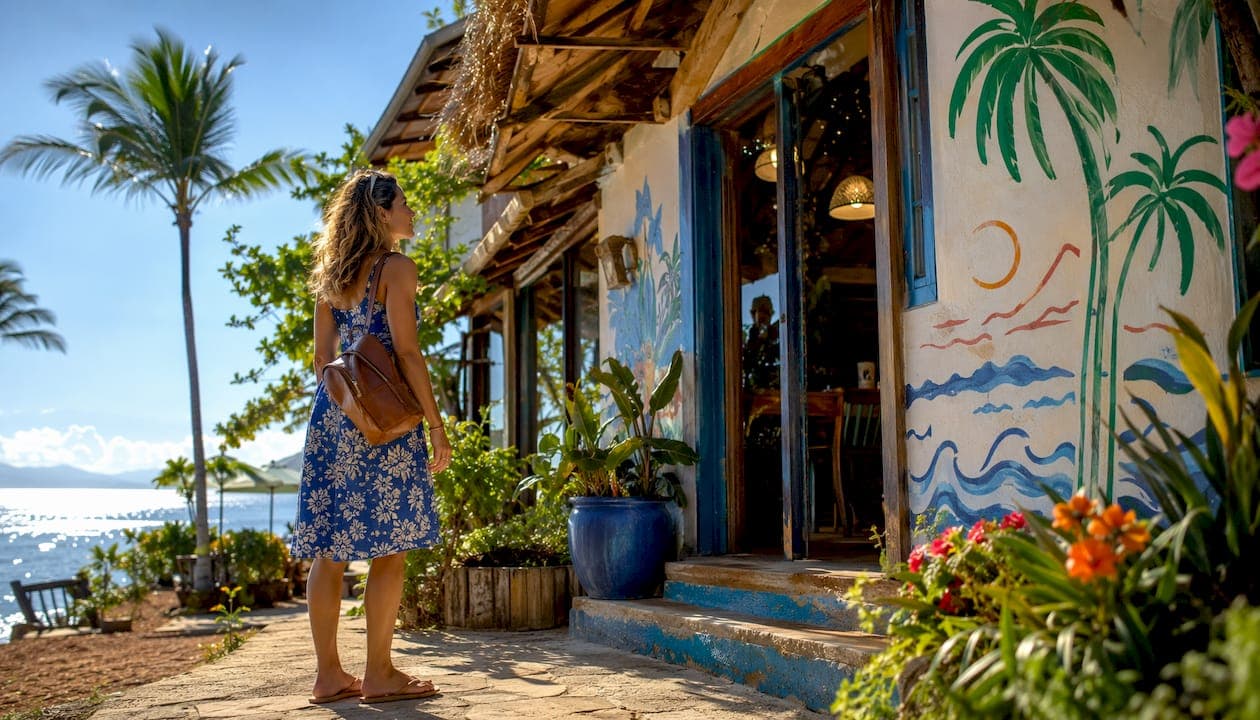
Boutique accommodations deliver something chain hotels structurally cannot: a stay that feels personal, locally rooted, and genuinely curated around you. Here's the short version:
- Personalized, unscripted service that remembers your name and your preferences
- Authentic sense of place through design, local food, and staff who actually live there
- Curated experiences you won't find on a travel app
- Real local economic impact, with far more of your dollars staying in the community
- Intimate, peaceful ambiance that larger properties simply can't replicate
The boutique hotel market was valued at $26.7 billion in 2024 and is projected to reach $40 billion by 2030, driven almost entirely by travelers who want more than a bed and a buffet.
Table of Contents
- What actually makes an accommodation "boutique"?
- The real benefits of boutique accommodations for travelers
- Who gets the most out of a boutique stay?
- How to choose the right boutique property
- What unscripted service actually looks like — a Luana inn example
- Key Takeaways
- Why boutique hospitality is more than a trend
- Experience it for yourself at Luana inn
- Useful sources for further reading
What actually makes an accommodation "boutique"?
The word gets tossed around loosely, so it helps to know what you're actually looking for. A genuine boutique property is independently owned or locally managed, typically under 100 rooms, design-forward, and oriented around the character of its location rather than a brand standard.
The core indicators to look for:
- Room count under ~100 — small enough that staff can actually know who you are
- Independent or locally managed — not a franchise operating under a corporate playbook
- Design with a story — décor that reflects the building's history, the region's culture, or the owner's vision
- Staff empowered to go off-script — no scripted greetings, no rigid service protocols
- Local orientation — food sourced nearby, recommendations that go beyond the tourist brochure
The "boutique" label is sometimes misused by larger properties trying to capture the trend. A quick check: if the property has more than 100 rooms and is managed by a national chain, it's marketing itself as boutique, not actually operating as one.
The real benefits of boutique accommodations for travelers
1. Unscripted, personalized service
This is the defining advantage. Hospitality experts describe "unscripted" service as what separates boutique stays from everything else: staff are empowered to build genuine rapport, remember your preferences, and share insider local knowledge that never makes it onto Google Maps. You're not handed a laminated card of nearby restaurants. You get a real conversation with someone who knows the neighborhood.
Pro Tip: Ask the property a specific question before you book — something like "What's a local spot for breakfast that most visitors miss?" A genuinely boutique property will give you a real, specific answer. A scripted one will send you a PDF.
2. Intimate scale as a service advantage
Smaller properties — typically under 100 rooms — make memory-based service operationally possible. Staff can maintain higher guest ratios, notice when you prefer your coffee black, and follow up on a hiking recommendation they gave you yesterday. At a 400-room resort, that kind of continuity is nearly impossible. The quiet lobby, the unhurried check-in, the feeling that you're a guest rather than a booking number — all of it flows from scale.

3. Authentic sense of place and cultural immersion
Boutique properties use their surroundings as a design element. A historic building becomes a story told through the architecture. A coastal location shapes the menu, the art on the walls, and the activities the staff suggest. This is what 77% of travelers say they're actually looking for: authentic experiences that connect them to where they are, not a standardized room that could be in any city.
4. Design and memorable aesthetics
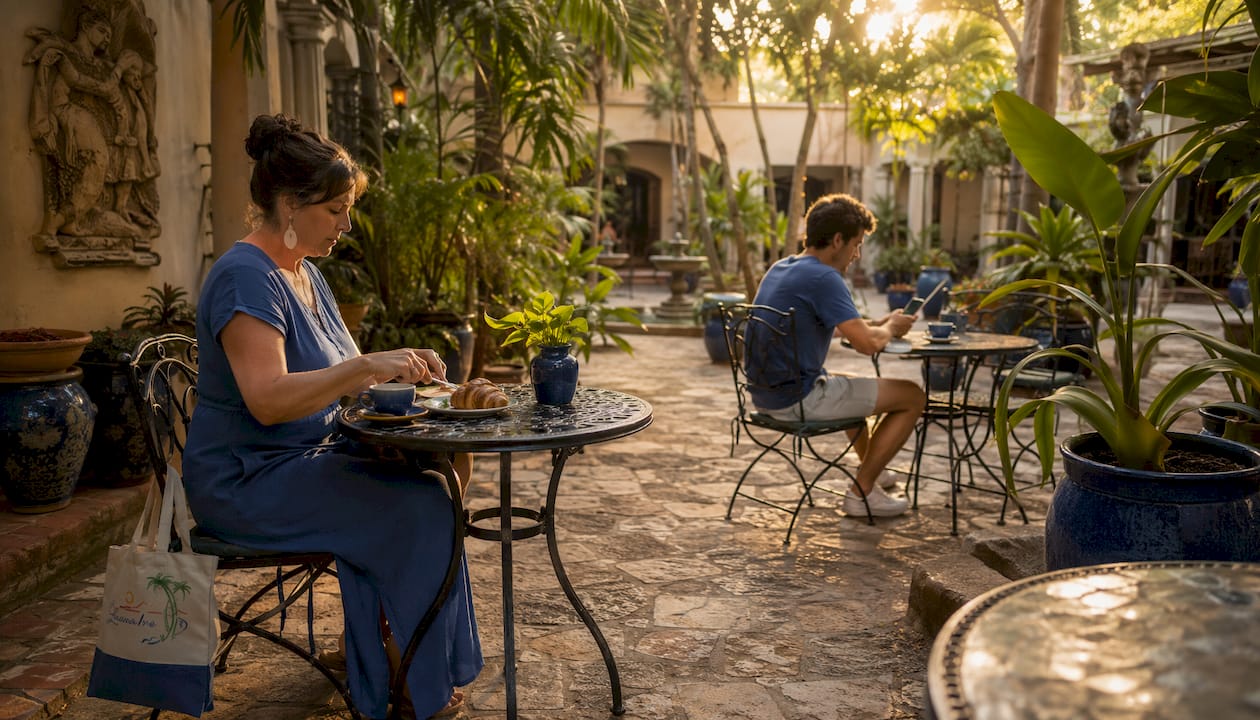
Chain hotels optimize for consistency. Boutique properties optimize for character. You might stay in a converted plantation house, a cliffside inn with hand-painted tiles, or a foothills bed and breakfast where every room has a different view. Experts note that the best boutique properties position the hotel itself as a reason to visit, not just a place to sleep. The design becomes part of the trip's memory. Browse intimate accommodation examples to get a feel for what that looks like in practice.
5. Curated food, wellness, and local experiences
Local sourcing, small menus done well, and staff who can connect you with the right guide, the right beach, or the right trail. These aren't amenities bolted onto a standard offering. They're central to what boutique hospitality is. A good boutique property treats food and local experience as core trip value, not an upsell.
6. Real local economic impact
When you stay boutique, a large majority of your accommodation spend stays in the local economy, much more so than with chain hotels. That gap matters if you care where your travel dollars go — and 73% of travelers say they do. Boutique stays are one of the most direct ways to support the communities you're visiting.
7. Technology that supports, not replaces, human connection
Top boutique properties use technology quietly — digital check-in, smart room controls, staff messaging apps — to remove friction so staff can spend more time on actual guest care. This counters the outdated idea that boutique means low-tech or inconvenient. The best ones are smooth and modern; they just don't let the tech become the experience.
Key industry data at a glance:
| Metric | Figure | What it means for you |
|---|---|---|
| Boutique hotel market size (2024) | $26.7 billion | A mature, growing sector with real quality options |
| Projected market size (2030) | ~$40 billion | Demand is rising — more properties, more competition for quality |
| Local revenue retention (boutique) | 85–95% | Your spend supports the community you're visiting — most of your travel dollars stay local |
| Local revenue retention (chain) | 15–25% | Most dollars leave the local economy, supporting distant corporate owners rather than the place you're visiting |
| Travelers seeking authentic experiences | 77% | You're not alone in wanting something real |
| Travelers wanting to support local communities | 73% | Boutique stays align with this value structurally |
Who gets the most out of a boutique stay?
Boutique lodging suits some travelers and trip types far better than others. Here's a quick way to self-sort:
Great fit:
- Couples on romantic getaways who want privacy and a curated atmosphere
- Solo travelers who want genuine local connection and staff who notice them
- Experience-focused travelers prioritizing culture, food, and place over amenities checklists
- Wellness-minded guests who value quiet, natural surroundings, and unhurried pacing
- Short city escapes where location and design matter more than a fitness center
- Travelers who prefer eco-friendly lodging and want their stay to reflect those values
Possible mismatch:
- Large family reunions needing multiple standardized rooms and predictable services
- Frequent business travelers who rely heavily on chain loyalty programs — loyalty points from chain stays represent an opportunity cost worth weighing against the boutique experience you'd gain.
- Travelers who need guaranteed brand-standard consistency across multiple cities on one trip
On cost: boutique stays often run slightly higher per night than comparable chain rooms, but the experience-to-price ratio tends to favor boutique when the trip's purpose is immersion rather than logistics. Availability is limited by design, so booking 4–8 weeks ahead for popular seasons is a smart habit.
How to choose the right boutique property
Use this checklist when comparing options:
- Define your trip priority first. Is it location, design, food, quiet, or local culture? Knowing this narrows your search fast.
- Read recent guest reviews for service-specific language. Look for mentions of staff names, personal touches, and specific recommendations — not just "great stay."
- Confirm walkability and neighborhood character. A boutique property in the right neighborhood is worth more than one in a convenient but generic location.
- Check room photos carefully. Authentic boutique properties show real rooms with character. Overly styled, stock-photo-adjacent images are a red flag.
- Test staff responsiveness before booking. Send a specific question by email or call. Response time and quality tell you a lot about the service culture.
- Book direct when possible. Booking direct avoids OTA commissions and often unlocks better room assignments or unadvertised perks. For Hawaii-bound travelers, the Hawaii boutique booking guide covers regional specifics worth knowing.
Questions to ask the property directly:
- How many rooms do you have, and is the property independently managed?
- Where do you source your food and beverages?
- Can your staff suggest local spots that aren't on the standard tourist circuit?
- What's your cancellation policy, and do you offer any direct-booking perks?
Red flags: vague or scripted answers to specific questions, no mention of local partnerships, inconsistent reviews that spike around the same dates, and lobby photos that look nothing like the rooms.
What unscripted service actually looks like — a Luana inn example
"The defining boutique advantage is unscripted service — staff empowered to build genuine rapport and share local knowledge that larger chains structurally cannot offer." — Hospitality industry practitioners, as cited by Alto Hotel
At Luana Inn, perched above Kealakekua Bay on the Big Island of Hawaii, this plays out in ways that are hard to replicate at scale. Guests arriving for the first time are greeted not with a check-in script but with a conversation: what brought you here, what do you want to feel during your stay, what kind of morning person are you? From there, staff tailor recommendations around the guest's actual rhythm — whether that's catching the sunrise over Mauna Loa, timing a visit to Ke'ei Beach before the crowds arrive, or spotting spinner dolphins from a quiet vantage point most visitors never find.
That kind of local knowledge is the product of genuine community connection, not a concierge database. It's what makes a stay at Luana inn feel less like a hotel visit and more like staying with someone who actually knows the island. Nicole, who works closely with Luana inn and writes about boutique hospitality from direct experience with the property, sees this as the clearest proof that small-scale, owner-connected hospitality still outperforms anything a brand standard can produce.
Key Takeaways
Boutique accommodations consistently outperform chain hotels on personalization, local authenticity, and community impact — making them the right choice for travelers who want their stay to be part of the experience, not just a backdrop to it.
| Point | Details |
|---|---|
| Scale enables service | Properties under ~100 rooms can offer memory-based, personalized service that larger hotels cannot match. |
| Local economic impact | Boutique stays keep 85–95% of your spend in the local economy, versus just 15–25% for chain hotels. |
| Book direct for best value | Booking direct often avoids OTA commissions and can unlock better rooms or perks. |
| Loyalty point tradeoff | Chain loyalty points have monetary value that should be weighed against the boutique experience you'd gain. |
| Luana inn as a model | Luana inn on the Big Island illustrates genuine boutique hospitality: small-scale, locally rooted, and personally attentive. |
Why boutique hospitality is more than a trend
The conventional wisdom says boutique hotels are just a niche for design-obsessed travelers willing to pay a premium. That framing misses what's actually happening. The shift toward boutique stays reflects something deeper: travelers are increasingly aware that where they sleep shapes what they experience, and they're tired of paying for a room that could be anywhere.
What strikes me most about the boutique model is how structurally honest it is. A small, independently owned property cannot fake local knowledge or manufacture genuine warmth at scale. Either the staff knows the neighborhood or they don't. Either the owner cares about the guest's experience or the reviews will say so within a season. That accountability is built into the model in a way that chain hospitality, for all its operational excellence, simply cannot replicate.
The forward direction is clear: travelers are prioritizing experiences over amenities checklists, sustainability over loyalty programs, and human connection over frictionless anonymity. Boutique properties that stay true to independent ownership, local sourcing, and unscripted service are positioned to meet that demand in a way that no brand refresh can fake.
Experience it for yourself at Luana inn
If the benefits described here sound like what you've been looking for, Luana inn is worth a serious look. Overlooking Kealakekua Bay from the foothills of Mauna Loa, the property offers exactly the kind of stay this article is about: peaceful, personal, and deeply connected to the Big Island's natural beauty. Sunsets that shift color by the minute, pastel mornings over the mountain, and staff who genuinely want your trip to be memorable.

Booking direct through luanainn.com gives you the best access to room availability and any current packages, without the OTA markup. Take a look at the rooms overview to find the right fit for your stay, and reach out directly with any questions. The team is the kind that actually answers.
Useful sources for further reading
- Competitive Advantages of Boutique Hotels in the Context of a Sharing Economy — Academic analysis of how boutique properties differentiate from both chain hotels and shared-accommodation platforms; useful for understanding structural competitive advantages.
- Hotel Online: Boutique Hotels Defined — Industry source for market sizing data ($26.7B, projected $40B by 2030) and traveler preference statistics (77% authenticity, 73% local support).
- The Travel Institute: Why Boutique Hotels Matter — Practitioner perspective on how intimate scale enables memory-based, personalized service.
- Breaking Travel News: What Makes a Boutique Hotel Worth the Stay — Expert commentary on design, local culinary offerings, and how to spot authentic boutique properties versus label misuse.
- Alto Hotel Blog: Benefits of Staying Boutique Hotels — Covers unscripted service, local revenue retention figures, and technology's supporting role in boutique hospitality.
- Bamba Travel: Why Travelers Are Choosing Boutique Hotels — Accessible traveler-facing guide covering design, location advantages, and the peaceful ambiance of smaller properties.
- Luana inn — The property itself, as a working example of boutique hospitality on the Big Island of Hawaii.