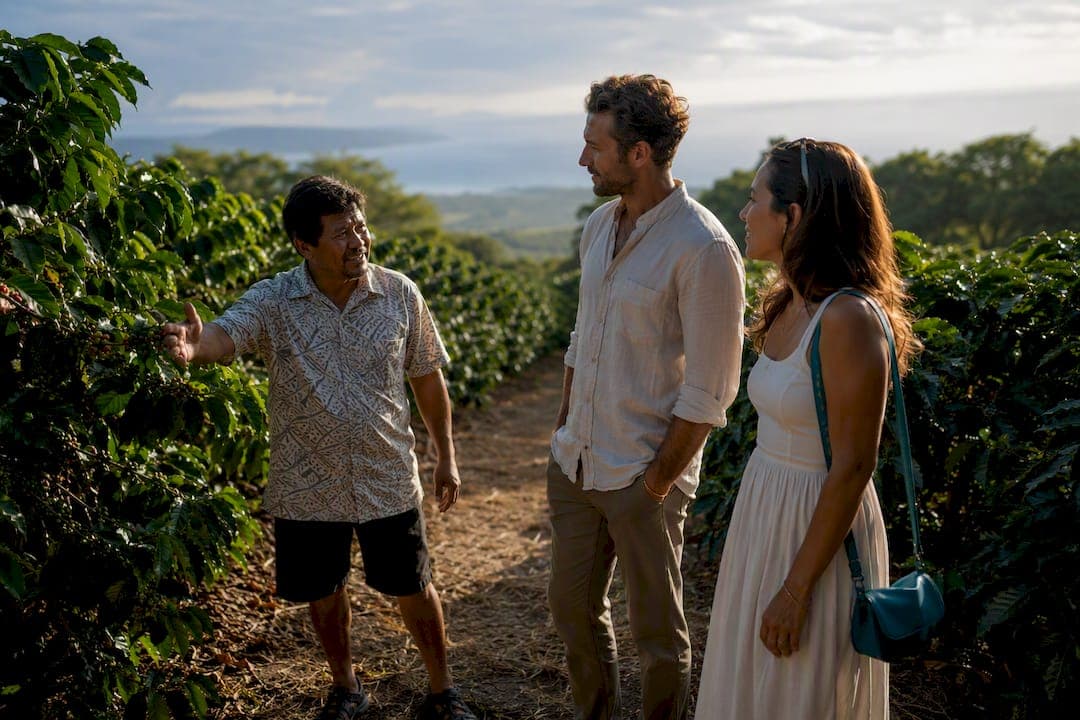
Kona coffee farms grow the real thing, 100% Kona coffee, on the volcanic slopes of the Big Island's Kona Coffee Belt. Visit one, and you'll typically get a guided walk through the fields, a look at how the cherries get processed, and a tasting or cupping session at the end. Look for the Kona Coffee Farmers Association seal to know you're drinking the genuine article, and plan on an hour or two for most visits.
TL;DR:
- Kona coffee's high price reflects labor-intensive hand-harvesting, small batch roasting, and unique volcanic soil microclimates that cannot be easily replicated.
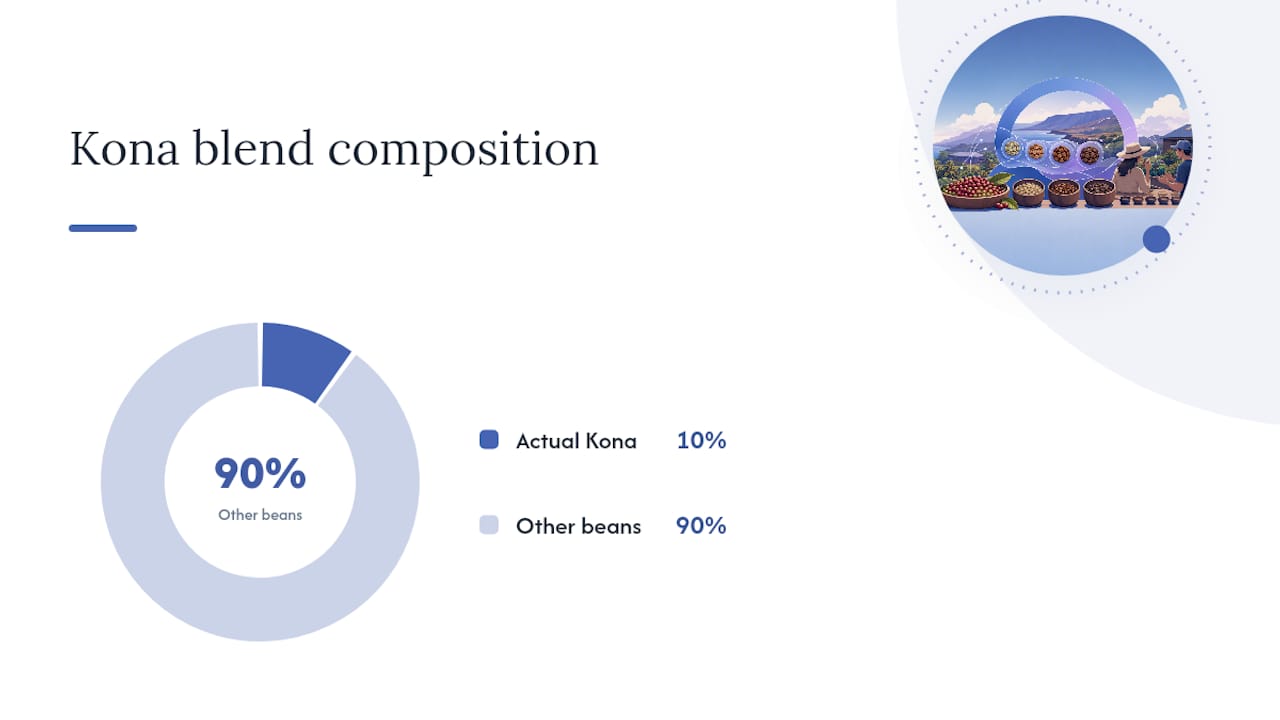
- Only farms displaying the Kona Coffee Farmers Association seal guarantee genuine 100% Kona coffee, as blends with as little as 10% Kona beans are common and cheaper.
- Guided tours typically last between 30 and 90 minutes, with deluxe cupping experiences that include tasting and processing demonstrations lasting closer to two hours.
- Crop harvesting peaks from August to January, so visiting during these months offers the best chance to see active picking and processing.
- Proper footwear, sun protection, and advanced reservations are recommended, especially for accessible tours or other premium experiences that can fill quickly.
Table of Contents
- What To Expect On A Kona Coffee Farm Tour
- How Kona Coffee Is Grown And Why 100% Kona Costs More
- How Do You Taste Kona Coffee Like A Pro?
- Planning Your Visit: Hours, Costs, And What To Bring
- Where To Book A Kona Coffee Farm Tour
- A Local Host's View On Pairing Farm Tours With Your Stay
- Make Your Farm Tours Easier With A South Kona Home Base
- Sources
- FAQ
What To Expect On A Kona Coffee Farm Tour
Most tours start the same way: you pull into a small parking lot, walk past a retail shop stacked with bags of freshly roasted beans, and meet your guide near the trees. From there, the experience unfolds in stages that make coffee feel less like a commodity and more like a crop you can touch.
You'll walk through rows of coffee trees planted on steep, rocky slopes, often shaded by taller trees or open to full sun depending on the farm's elevation. Guides usually mention footwear here. Closed-toe shoes matter because the ground is uneven, sometimes muddy after rain, and littered with fallen cherries.
The processing demonstration is where things get interesting. You'll usually see:
- The wet mill, where ripe red cherries get pulped to remove the outer skin
- Drying decks or raised screens where beans cure in the sun for days
- The dry mill, which strips the parchment layer before sorting
- A roasting room, where green beans transform through heat into the coffee you recognize
Tasting formats vary by farm. Some offer a simple brewed flight, pouring a few roast levels side by side. Others run a formal cupping session, and a few let you roast your own beans as a hands-on souvenir. Many farms also grow cacao and macadamia trees, and tour guides often work small tastings of those crops into the visit, which turns a coffee tour into a broader look at Kona agriculture.
How Kona Coffee Is Grown And Why 100% Kona Costs More
The Kona Coffee Belt runs along the western slopes of Mauna Loa and Hualalai, a narrow strip roughly 2 miles wide and 30 miles long. Elevation here typically ranges from 800 to 2,500 feet, and the combination of morning sun, afternoon cloud cover, and mineral-rich volcanic soil creates a microclimate coffee farmers elsewhere can't replicate.
That geography forces a farming style that costs more at every step:
- Most Kona farms sit on small, steep lots that can't support mechanical harvesters
- Cherries ripen unevenly, so pickers return to the same trees multiple times per season
- Sorting, drying, and milling all require hands-on attention to protect quality
- Roasting happens in small batches rather than industrial runs
Kona coffee's rarity comes directly from labor. Hand-harvesting on volcanic terrain is slow, physically demanding work, and it's a major reason 100% Kona sells for far more than blended coffee labeled with the Kona name.
That price gap is exactly why authenticity labeling matters so much here. A bag that says "Kona Blend" might contain as little as 10% actual Kona coffee mixed with beans grown elsewhere, yet it can sit on the same shelf as the real thing. The Kona Coffee Farmers Association seal program exists to protect buyers from that confusion, and buying directly from a KCFA member farm is one of the more reliable ways to know your coffee actually came from this coastline.
How Do You Taste Kona Coffee Like A Pro?
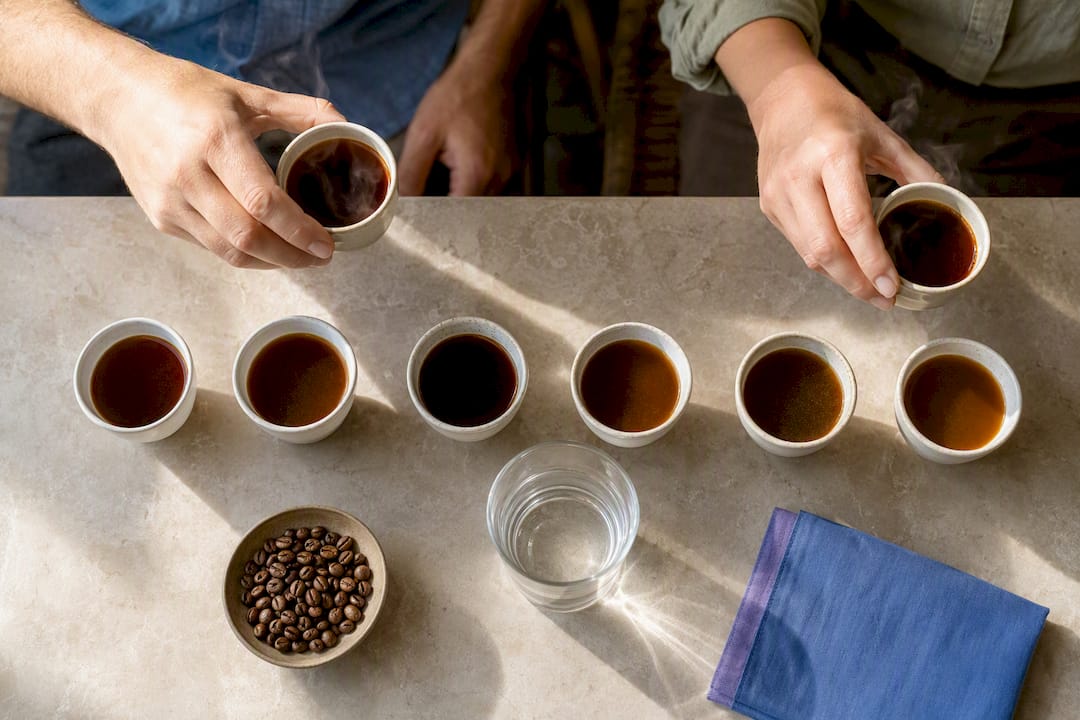
Cupping and casual tasting aren't the same thing, and knowing the difference will make any farm visit more rewarding. Brewed tasting is what most people already know: you drink a cup the normal way and notice whether you like it. Cupping is a structured evaluation method, and it's how professionals judge coffee quality using protocols developed by the Specialty Coffee Association.
Farms that offer a visitor-facing cupping experience usually walk you through a simplified version of the same steps:
- Smell the dry grounds first, before any water touches them
- Pour hot water over the grounds and let them steep for several minutes
- Break the crust that forms on top, leaning in close to catch the aroma release
- Slurp a small spoonful loudly enough to spray the coffee across your palate
- Note the acidity, body, and finish before moving to the next cup
Kona coffee tends to show bright acidity, a smooth medium body, and flavor notes that lean toward brown sugar, macadamia nut, or light citrus depending on the roast. Terroir shows up here the way it does in wine: two farms a mile apart can taste noticeably different because of soil, shade, and elevation.
Pro Tip: Drink a sip of plain water between each coffee you taste. It resets your palate and keeps earlier samples from muddying how the next one actually tastes.
Planning Your Visit: Hours, Costs, And What To Bring
Farm tours typically run 30 to 90 minutes for standard guided walks, while deluxe cupping experiences can stretch closer to two hours. Reservations aren't always required for free retail tours, but paid or deluxe experiences fill up fast and often need booking days in advance.
A few things worth knowing before you go:
- Terrain is often sloped and uneven; if mobility is a concern, ask specifically about wheelchair access before booking
- Free self-guided tastings cost nothing beyond whatever coffee you buy, while deluxe cuppings usually run a set fee per person
- Bring sun protection, closed-toe shoes, a water bottle, a camera, and a little cash for the gift shop
- Light layers work well since mornings on the slopes run cooler than the coast
Timing matters more than most visitors realize. Kona's coffee cherries typically flower in spring and ripen for harvest between August and January, so a fall or early winter visit means you'll likely see active picking and processing rather than quiet, dormant trees.
Where To Book A Kona Coffee Farm Tour
Start with the Kona Coffee Farmers Association, which maintains authenticity guidance and points visitors toward verified 100% Kona member farms. It's the closest thing this region has to a trusted directory, and it's the fastest way to confirm you're not booking a tour built around a blended product.
From there, a handful of well-known farms illustrate the range of experiences on offer:
- Greenwell Farms runs free guided tours alongside a Deluxe Tour & Tasting that covers the wet mill, nursery, dry mill, and a formal cupping room, though seats are limited and advance reservations matter.
- Kona Joe Coffee offers standard guided tastings plus a combined tour with interactive roasting, where you can roast a small batch to take home.
- Mountain Thunder Coffee advertises free guided educational tours with accessibility options noted for visitors who need easier terrain.
- Kona Coffee & Tea runs a roughly two-hour immersive tour that includes picking cacao and macadamia nuts when they're in season.
Before booking anything deluxe, confirm age restrictions (some cupping experiences exclude young children), ask about cancellation policies, and double check mobility requirements if steep terrain is a concern.
A Local Host's View On Pairing Farm Tours With Your Stay
Staying in South Kona puts you close enough to sample several farms in a single trip instead of rushing to fit one tour into a busy day. It also puts you near the Keauhou Farmers Market, where local growers sell the same coffee, cacao, and produce you'll see on farm tours.
A multi-day stay lets you stagger activities naturally: an early beach morning at one of the nearby South Kona beaches, a midday farm tour, and a late-afternoon stop at the market before sunset.
— Nicole
Make Your Farm Tours Easier With A South Kona Home Base
Luana inn sits in the foothills above Kealakekua Bay, close enough to South Kona's coffee farms that you can visit two or three in a single day without spending your whole trip in the car.

Mornings here start with a breakfast made from local ingredients, the kind of meal that pairs naturally with an afternoon spent tasting the region's coffee. After a day of walking fields and cupping roasts, you can unwind in a pool, hot tub, or sauna, or book a spa treatment through wellness offerings. Guests planning a longer Big Island stay often build a full itinerary around farm visits, beach mornings, and market stops. If you're mapping that kind of trip, browse vacation packages or check room availability directly to lock in dates before coffee season fills up.
Sources
- Kona Coffee Farmers Association – seal program
- Visit our Award-winning Coffee Farm Kona Hawaii Free – Kona Joe Coffee
- Cupping — Difford's Guide (Specialty Coffee Association protocols referenced)
FAQ
What Makes 100% Kona Coffee Different From A Kona Blend?
100% Kona coffee is grown entirely within the Kona Coffee Belt, while a "Kona Blend" may contain as little as 10% Kona coffee mixed with beans from elsewhere. Checking for the KCFA seal is the most reliable way to confirm which one you're buying.
How Long Does A Typical Kona Coffee Farm Tour Take?
Standard guided walks usually run 30 to 90 minutes, while deluxe cupping experiences at farms like Greenwell Farms can take closer to two hours.
Do I Need A Reservation For A Kona Coffee Farm Tour?
Free retail and self-guided tours often don't require booking ahead, but paid or deluxe cupping experiences fill up quickly and should be reserved in advance.
When Is The Best Time To Visit Kona Coffee Farms?
Harvest season runs roughly from August through January, so visiting during that window gives you the best chance of seeing active picking and processing in the fields.
Are Kona Coffee Farm Tours Accessible For Visitors With Mobility Needs?
Some farms, including Mountain Thunder Coffee, note accessibility options, but terrain varies widely, so it's worth asking specifically about wheelchair access before you book.