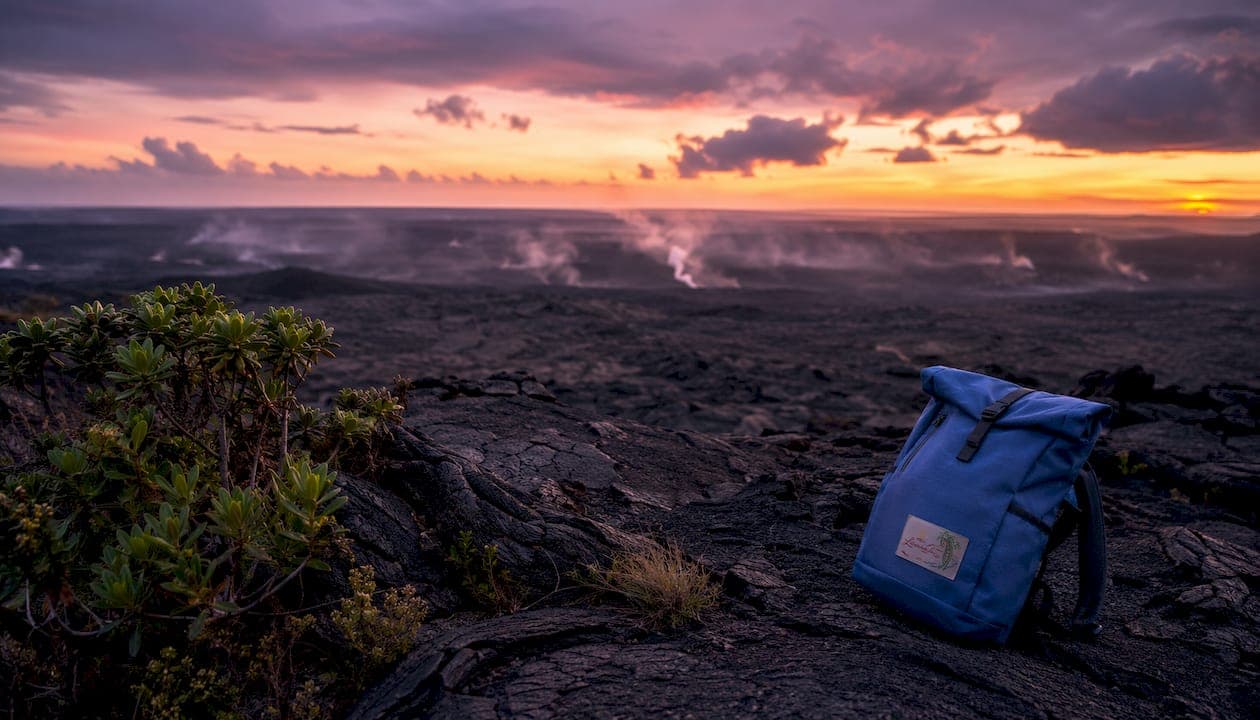
Hawaii's Big Island is unlike any other destination on earth. You can walk across hardened lava fields in the morning, snorkel with manta rays after dark, and gaze at a sky full of stars from the summit of a dormant volcano all in the same trip. The island spans 13 distinct climate zones, meaning you can move from tropical rainforest to alpine desert in a single afternoon. That kind of variety is rare anywhere in the world, and it's exactly what makes Hawaii Big Island bucket-list experiences so hard to forget.
Here's a quick look at the experiences that belong on every traveler's list:
- Hawaiʻi Volcanoes National Park — walk through lava tubes and hike the Kīlauea Iki crater trail
- Manta ray night snorkeling — float above feeding mantas on the Kona coast after dark
- ʻAkaka Falls State Park — a short, lush loop trail to a 442-foot waterfall
- Punaluʻu Black Sand Beach — one of roughly 20 black sand beaches worldwide, with resident sea turtles
- Mauna Kea summit — world-class stargazing above the clouds
- Puʻuhonua O Hōnaunau National Historical Park — ancient Hawaiian sanctuary with deep cultural resonance
- Kona coffee farm tours — taste freshly harvested coffee at the source
- Helicopter tours — see lava flows and coastal waterfalls from above
- Green Sand Beach — one of only four green sand beaches on the planet
- Local farmers markets and Hawaiian cuisine — edible cultural immersion
Splitting your time between Hilo on the east side and Kona on the west gives you the best of both worlds. Hilo puts you close to rainforests, waterfalls, and the national park. Kona delivers beaches, coffee farms, and the island's best marine activities. Plan at least seven to ten days if you want to do this island justice.
Table of Contents
- 1. Hawaiʻi Volcanoes National Park is a world unto itself
- 2. Nighttime manta ray snorkeling on the Kona coast
- 3. ʻAkaka Falls is a short hike with a massive payoff
- 4. Punaluʻu Black Sand Beach will stop you in your tracks
- 5. The Mauna Kea summit offers stargazing like nowhere else
- 6. Helicopter tours show you what you can't reach on foot
- 7. Kona coffee farm tours connect you to something real
- 8. Green Sand Beach rewards the effort to get there
- 9. Snorkeling and diving beyond the manta rays
- 10. Puʻuhonua O Hōnaunau brings Hawaiian history to life
- 11. Local food and farmers markets are part of the experience
- How to plan your Big Island trip without the stress
- Why Luana inn is the perfect base for all of this
- Cultural and historical experiences that go deeper
- Key Takeaways
1. Hawaiʻi Volcanoes National Park is a world unto itself
No list of must-do activities on the Big Island starts anywhere else. Hawaiʻi Volcanoes National Park is home to Kīlauea, one of the most active volcanoes on earth, and Mauna Loa, the world's largest shield volcano. The park's terrain shifts dramatically as you move through it, from barren lava fields to dense fern forests, and the scale of what you're seeing never quite sinks in on the first day.
Thurston Lava Tube (Nāhuku) is one of the park's most accessible and awe-inspiring features. You walk through a tunnel carved by flowing lava thousands of years ago, surrounded by dripping ferns and cool, damp air. It takes about 20 minutes and requires no special gear, making it a great starting point for first-time visitors.
Kīlauea Iki Trail is the park's standout hike. The 4-mile loop descends into the crater of a volcano that last erupted in 1959, crossing a hardened lava lake floor that still vents steam in places. The contrast between the lush rainforest rim and the stark crater floor is genuinely striking. Allow two to three hours and bring water.
- Arrive early, especially on weekends, since the parking lot at Nāhuku fills by mid-morning
- The park is open 24 hours, and nighttime visits can reveal glowing lava if conditions allow
- Pick up a free map at the visitor center and check current eruption status before you go
2. Nighttime manta ray snorkeling on the Kona coast
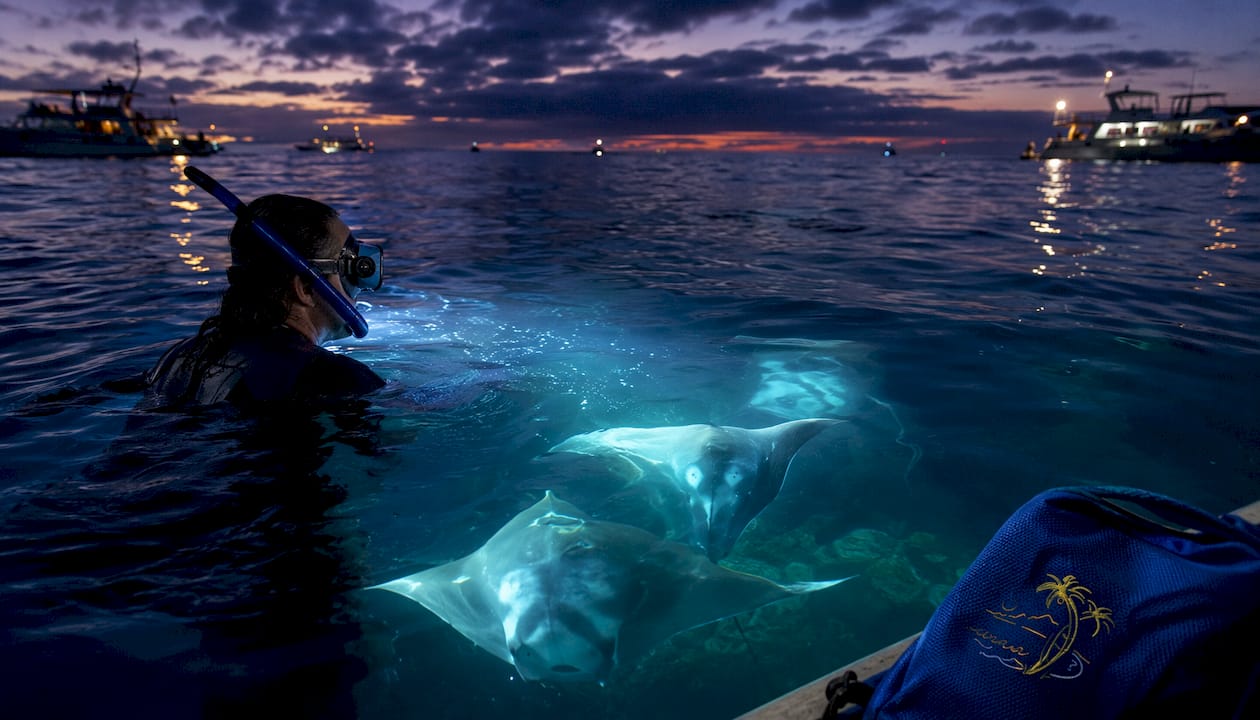
This is one of those experiences that sounds almost too good to be true until you're floating in the dark water watching a nine-foot manta ray glide beneath you. The Kona coast's manta ray night snorkeling tours run two to three hours and take advantage of the mantas' nightly feeding behavior. Underwater lights attract plankton, which draws the rays in close, sometimes within arm's reach.
You don't need to be a strong swimmer. Tours provide flotation boards so you can stay on the surface and watch the action below. The rays are filter feeders with no teeth, so there's no danger involved, just pure wonder.
- Book your tour at least a few days in advance, especially during peak travel months
- Wear a wetsuit if the tour provides one since the water cools significantly after dark
- Comfort in open water helps, but guides are present throughout and beginners do fine
3. ʻAkaka Falls is a short hike with a massive payoff
ʻAkaka Falls State Park sits on the Hilo side of the island and delivers one of the most dramatic waterfall views in all of Hawaii. The falls drop straight down into a lush gorge surrounded by wild ginger, bamboo, and tropical ferns. The paved loop trail is short and takes less than an hour to complete, making it accessible for most fitness levels.
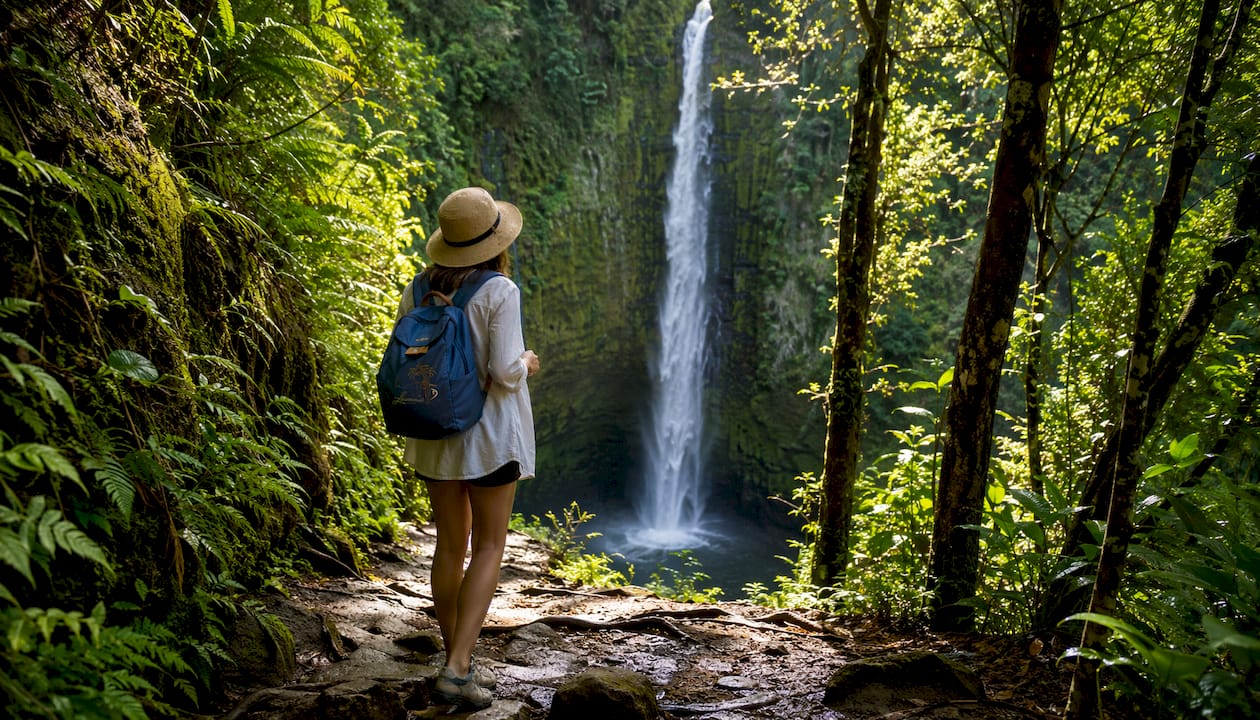
Entry requires a small fee per person, with an additional parking fee per vehicle. That's a bargain for what you get. The trail also passes Kahuna Falls along the way, so you're really getting two waterfalls for the price of one.
Pro Tip: Arrive before 9 AM to beat the tour buses and have the falls nearly to yourself. The light is also better for photos in the early morning.
4. Punaluʻu Black Sand Beach will stop you in your tracks
Few beaches anywhere in the world look like Punaluʻu. The sand is jet black, formed from basaltic lava that cooled rapidly when it hit the ocean. It's one of roughly 20 black sand beaches worldwide, and the contrast against the turquoise water and green palms is genuinely surreal.
The real draw, beyond the sand itself, is the sea turtles. Hawaiian green sea turtles (honu) rest on the beach regularly, and you're likely to spot several on any given visit. Keep a respectful distance of at least 10 feet since they're federally protected, and never approach or touch them.
- Access is free, but parking is limited so an early arrival is strongly recommended
- Bring water and sunscreen since shade is minimal
- Swimming here can be dangerous due to strong currents; check conditions before entering the water
5. The Mauna Kea summit offers stargazing like nowhere else
At nearly 14,000 feet above sea level, Mauna Kea's summit sits above roughly 40% of the earth's atmosphere, which is why some of the world's most powerful telescopes are built there. On a clear night, the sky is so dense with stars that it takes a moment to find familiar constellations. This is genuinely one of the top stargazing spots on the planet.
Getting to the summit requires a 4x4 vehicle, and most standard rental car agreements prohibit summit access. The safest and most practical option for most travelers is a guided tour, which typically includes an acclimation stop at the Mauna Kea Visitor Information Station at 9,200 feet, warm gear, and expert narration.
- Altitude sickness is real at this elevation; spend at least 30 minutes at the visitor station before heading higher
- Avoid the summit if you have heart or respiratory conditions
- Sunrise tours are equally spectacular and less crowded than evening stargazing tours
- The visitor station itself offers free stargazing programs on most clear nights, a solid option if you'd rather skip the summit drive
6. Helicopter tours show you what you can't reach on foot
The Big Island is enormous, covering more land area than all the other Hawaiian islands combined. A helicopter tour solves the problem of scale. In 45 to 60 minutes, you can fly over active lava flows, peer into Kīlauea's caldera, and sweep along the Hāmākua Coast's sea cliffs and waterfalls, all in a single flight.
Tours commonly depart from Hilo or Kona, and the routes vary depending on current volcanic activity. Doors-off options are available with some operators for unobstructed photography. It's one of the pricier Big Island adventure ideas, but the perspective it gives you on the island's sheer size and geological drama is hard to replicate any other way.
- Book early in your trip so you can reschedule if weather causes a cancellation
- Morning flights often have clearer visibility than afternoon departures
- Ask specifically about lava flow viewing since routes change based on active eruption sites
7. Kona coffee farm tours connect you to something real
The Kona coffee belt stretches along the slopes of Mauna Loa and Hualālai, and the farms here produce some of the most sought-after coffee in the world. A farm tour gives you the full picture: the volcanic soil, the hand-picking process, the wet-milling, and finally the cup. Most tours are free or low-cost and end with a tasting.
It's a genuinely relaxing way to spend a morning, and the views from the hillside farms over Kailua-Kona and the ocean below are worth the drive alone. Several farms along Highway 11 welcome walk-in visitors, though calling ahead is always a good idea.
- Look for farms with "100% Kona" on the label since blends can contain as little as 10% Kona beans
- Pair a farm visit with a stop at a local farmers market for fresh tropical fruit and local crafts
- The Kona coffee harvest runs roughly October through February if you want to see picking in action
8. Green Sand Beach rewards the effort to get there
Papakolea Beach, better known as Green Sand Beach, is one of only four green sand beaches in the world. The color comes from olivine crystals in the surrounding volcanic cinder cone, and the effect is unlike anything you'll see on a standard beach day. Getting there requires a moderately challenging 2.5-mile hike each way across open lava terrain, or you can pay for a local shuttle ride.
The hike is exposed with no shade and can be windy, so bring plenty of water and sun protection. The beach itself is small and the surf can be rough, but standing there looking at genuinely green sand against a blue Pacific sky is one of those moments that stays with you.
- Wear sturdy shoes since the trail is uneven lava rock
- The shuttle services operating from the parking area are run by local community members; it's a fair way to support the area and save your knees
- Go on a weekday if possible since weekends bring larger crowds
9. Snorkeling and diving beyond the manta rays
The Big Island's underwater world extends well beyond the famous manta ray tours. Kealakekua Bay, on the Kona coast, is widely regarded as one of the best snorkeling spots in Hawaii. The bay is a marine life conservation district, which means the fish are abundant and remarkably unafraid of people. You'll see spinner dolphins, sea turtles, and a dazzling variety of reef fish in water that's often crystal clear.
TwoStep (Hōnaunau Bay), just north of Puʻuhonua O Hōnaunau, is another favorite. Named for the two natural lava ledges that serve as entry points into the water, it offers easy access to a healthy coral reef teeming with life. For divers, the Kona coast's lava tubes and underwater arches add a geological dimension to the experience.
- Bring your own snorkel gear if possible since rental quality varies
- Early morning snorkeling typically means calmer water and better visibility
- Spinner dolphins are often spotted in Kealakekua Bay in the morning hours before they head offshore
10. Puʻuhonua O Hōnaunau brings Hawaiian history to life
Puʻuhonua O Hōnaunau National Historical Park is one of the most significant cultural sites in all of Hawaii. This ancient place of refuge, or puʻuhonua, was where Hawaiians who broke kapu (sacred law) could seek sanctuary and absolution. The park preserves royal fishponds, carved ki'i akua (wooden temple images), and a massive stone wall that once separated the sacred ground from the rest of the world.
Walking through it feels different from most historical sites. The setting, right on the ocean with lava rock shoreline and swaying palms, adds a quiet gravity to the experience. Rangers offer interpretive talks throughout the day, and the adjacent Two Step snorkeling area means you can pair a cultural visit with time in the water.
- Entry is $20 per vehicle, valid for seven days
- The park is open daily; ranger-led programs typically run in the morning
- Combine this stop with a snorkel at Two Step and lunch in nearby Captain Cook for a full day
11. Local food and farmers markets are part of the experience
Eating well on the Big Island is easy if you know where to look. The Hilo Farmers Market, open Wednesday and Saturday, is one of the most vibrant in the state, with vendors selling everything from fresh lilikoi (passion fruit) and rambutan to handmade crafts and warm malasadas. On the Kona side, the Keauhou Farmers Market runs Saturday mornings with a strong focus on locally grown produce and prepared foods.
Traditional Hawaiian cuisine is worth seeking out beyond the resort buffet. Look for plate lunches featuring kalua pork (slow-cooked in an underground imu oven), poi, lomi salmon, and haupia (coconut pudding). Food trucks near the waterfront in Kailua-Kona often serve some of the most honest, flavorful versions of these dishes.
- Poke bowls made with fresh ahi from local fishermen are a daily staple worth eating more than once
- Try a shave ice from a local stand, not a chain, for the real thing
- The farmers market scene is also a great place to pick up Kona coffee, macadamia nuts, and local honey to bring home
How to plan your Big Island trip without the stress
Getting the logistics right makes the difference between a trip that feels rushed and one that feels genuinely restorative. Here's what experienced Big Island travelers know before they arrive.
Trip duration: Seven to ten days is the sweet spot for covering the island's highlights without feeling like you're racing. Ten days gives you room to slow down and revisit a favorite spot.
Best time to visit: The island's west side (Kona) stays sunny and dry year-round, making it reliable for beach and marine activities. The east side (Hilo) is wetter and greener, with the best waterfall viewing after rain. April through June and September through November tend to offer good weather with fewer crowds than peak summer or holiday periods.
Split your base: Stay a few nights in or near Hilo to access the national park, ʻAkaka Falls, and Punaluʻu Beach, then move to the Kona side for beaches, coffee farms, and manta ray tours. This cuts down on long drives and lets you settle into each region. For a well-planned oceanview retreat that puts you close to Kealakekua Bay and the Kona-side highlights, the Captain Cook area is an ideal home base.
Transportation: Rent a car. There's no practical public transit for island exploration. Most standard rental agreements prohibit driving on unpaved roads, which matters for Mauna Kea's summit road and the approach to Green Sand Beach. Confirm your rental policy before you go, and book a guided tour for the summit if your car isn't cleared for it.
Booking tours in advance: Manta ray snorkeling and helicopter tours fill up fast, especially in summer and around holidays. Book both before you leave home. Helicopter tours are also weather-dependent, so earlier in your trip gives you a buffer to reschedule.
- Arrive at ʻAkaka Falls and Punaluʻu Beach before 9 AM to beat the crowds and find parking easily
- Pack layers for Mauna Kea; temperatures at the summit can drop below freezing even in summer
- Sunscreen, reef-safe formulas specifically, is required in Hawaii state waters
- A Big Island packing list tailored to B&B stays can save you from overpacking or forgetting essentials
Pro Tip: Altitude sickness can hit quickly above 10,000 feet. Spend at least 30 minutes at the Mauna Kea Visitor Information Station before attempting the summit, drink plenty of water, and turn back without hesitation if you feel dizzy or short of breath.
Why Luana inn is the perfect base for all of this
Luana inn sits in the foothills of Mauna Loa, overlooking Kealakekua Bay from a hillside perch that gives you ever-changing sunsets, pastel-colored sunrises over the mountain, and the occasional rainbow drifting through the valley below. The location on Napoʻopoʻo Road puts you minutes from some of the island's most rewarding experiences, without the noise or crowds of a resort strip.
Staying at Luana inn means waking up to views that most travelers only see on postcards. The bay below, the mountain above, and the quiet of the foothills in between — it's the kind of place that makes you slow down and actually feel like you're in Hawaii, not just passing through it.
From Luana inn, you can reach Puʻuhonua O Hōnaunau in about 10 minutes, making it easy to combine a morning cultural visit with an afternoon snorkel at Two Step. Kealakekua Bay itself is just down the road, one of the finest snorkeling spots in the state and a regular haunt for spinner dolphins.
Nearby experiences you can reach easily from Luana inn:
- Sunset watching from the property's hillside vantage point, where the sky over the bay turns gold and pink most evenings
- Dolphin spotting in Kealakekua Bay, where spinner dolphins are frequently seen in the morning
- Kaʻawaloa Trail, a scenic hike down to the bay's north shore and the Captain Cook Monument
- Keʻei Beach, a quiet local beach just minutes away, great for a relaxed swim away from the crowds
- Manini Beach, another nearby gem with calm, clear water ideal for snorkeling
The hosts at Luana inn know this part of the island deeply and can point you toward the experiences that suit your pace, whether that's an early morning hike, a coffee farm visit up the road, or simply kicking back on the lanai with a cup of Kona coffee and watching the clouds roll over Mauna Loa. If you're thinking about making the Kona coast your home base, explore Luana inn's rooms and availability to find the right fit for your trip.

For travelers who want to combine comfort with authentic local access, Luana inn's vacation packages bundle accommodations with curated island experiences, making it easy to plan without the guesswork.
Cultural and historical experiences that go deeper
The Big Island's history runs as deep as its lava fields, and taking time to engage with it makes the whole trip richer.
Puʻuhonua O Hōnaunau is the anchor of any cultural itinerary on this side of the island. As noted earlier, the park preserves one of Hawaii's most sacred historical sites, and pairing a visit here with nearby marine activities like snorkeling at Two Step creates a layered day that covers both heritage and natural wonder.
Beyond the national park, the Big Island has several other cultural touchstones worth your time:
- Puʻu Loa Petroglyphs within Hawaiʻi Volcanoes National Park, where you can walk a boardwalk past thousands of ancient rock carvings left by Native Hawaiians over centuries
- Hōlei Sea Arch, a dramatic lava arch on the park's coast that connects geological wonder with the ongoing story of the island's formation
- Nāhuku (Thurston Lava Tube), which the National Park Service notes as a rare intact lava tube accessible to the public, formed during ancient eruptions
- Hilo's historic downtown, with its plantation-era buildings, local galleries, and the Pacific Tsunami Museum, which tells the story of the waves that reshaped the town in 1946 and 1960
- The Merrie Monarch Festival, held in Hilo each spring, is the most prestigious hula competition in the world and a profound celebration of Hawaiian culture (tickets sell out far in advance)
Food is also a form of cultural history here. Seeking out a traditional Hawaiian plate lunch, attending a local farmers market, or joining a community luau connects you to the living culture of the island in a way that no museum exhibit quite can. The Big Island's food scene reflects its layered history, with Japanese, Filipino, Portuguese, and Native Hawaiian influences all showing up on the same plate.
Combining a morning at Puʻuhonua O Hōnaunau with an afternoon snorkel at Kealakekua Bay and an evening at a local restaurant in Captain Cook gives you a day that covers culture, nature, and community all at once. That kind of layered experience is what separates a great Big Island trip from a forgettable one.
Key Takeaways
The Big Island rewards travelers who plan ahead, split their time between Hilo and Kona, and go beyond the obvious stops to find the cultural and natural depth that makes this island genuinely unforgettable.
| Point | Details |
|---|---|
| Split your base between Hilo and Kona | Hilo accesses rainforests and waterfalls; Kona delivers beaches, coffee farms, and marine tours. |
| Book manta ray and helicopter tours early | Both fill quickly and are weather-dependent; booking before arrival gives you room to reschedule. |
| Arrive early at top sites | Reaching ʻAkaka Falls and Punaluʻu Beach before 9 AM avoids crowds and parking challenges. |
| Plan for Mauna Kea's altitude | Acclimate at the 9,200-foot visitor station for at least 30 minutes before attempting the summit. |
| Pair cultural and natural experiences | Combining Puʻuhonua O Hōnaunau with Two Step snorkeling creates a richer, more layered day. |