
Hawaii's ocean offers six core categories of healing: passive blue-space exposure, warm thalassotherapy and sea spa treatments, cold-water immersion, surf and guided movement therapy, supported floating with breathwork, and marine-sourced body treatments. For most luxury wellness travelers, the fastest path to restoration is pairing one shoreline or meditation practice with one spa-style or guided immersion session during your stay.
Here's a quick look at all six categories:
- Passive blue-space exposure (shoreline walks, wave-gazing, sound sessions)
- Thalassotherapy and sea spa treatments (mineral baths, seaweed wraps)
- Cold-water immersion and contrast therapy
- Surf therapy and guided ocean movement
- Supported floating and breathwork
- Marine-sourced body treatments (mud and seaweed applications)
Research links spending time near blue spaces with measurable improvements in psychological well-being and sleep. Large observational studies find that at least 120 minutes a week in natural blue spaces is associated with these benefits, but even a single half-day at the shore, done with intention, gets you most of the way there.
Table of Contents
- 1. What are the main types of ocean healing experiences?
- What a typical ocean healing session looks like
- How to choose the right ocean healing experience for you
- Safety, contraindications, and when to see a clinician
- How Luana inn layers ocean healing into a luxury stay
- When to go and what to pack for ocean healing in Hawaii
- Key Takeaways
- Why the ocean does something a spa alone can't
- Luana inn's ocean wellness stays: what's included and how to book
1. What are the main types of ocean healing experiences?
Passive blue-space exposure
This is the gentlest entry point: walking barefoot at the water's edge, sitting on a bench overlooking the bay, or simply watching waves roll in. The science behind it points to what researcher Easkey Britton calls "soft fascination."
"The ocean's repeating wave patterns and fractals create a state of soft fascination that supports attention restoration and relaxation — the brain shifts into calming alpha frequencies almost effortlessly." — Easkey Britton, as cited in National Geographic
Best for: anyone, any fitness level. A morning walk along Kealakekua Bay from Luana inn fits this category perfectly.
Thalassotherapy and sea spa treatments
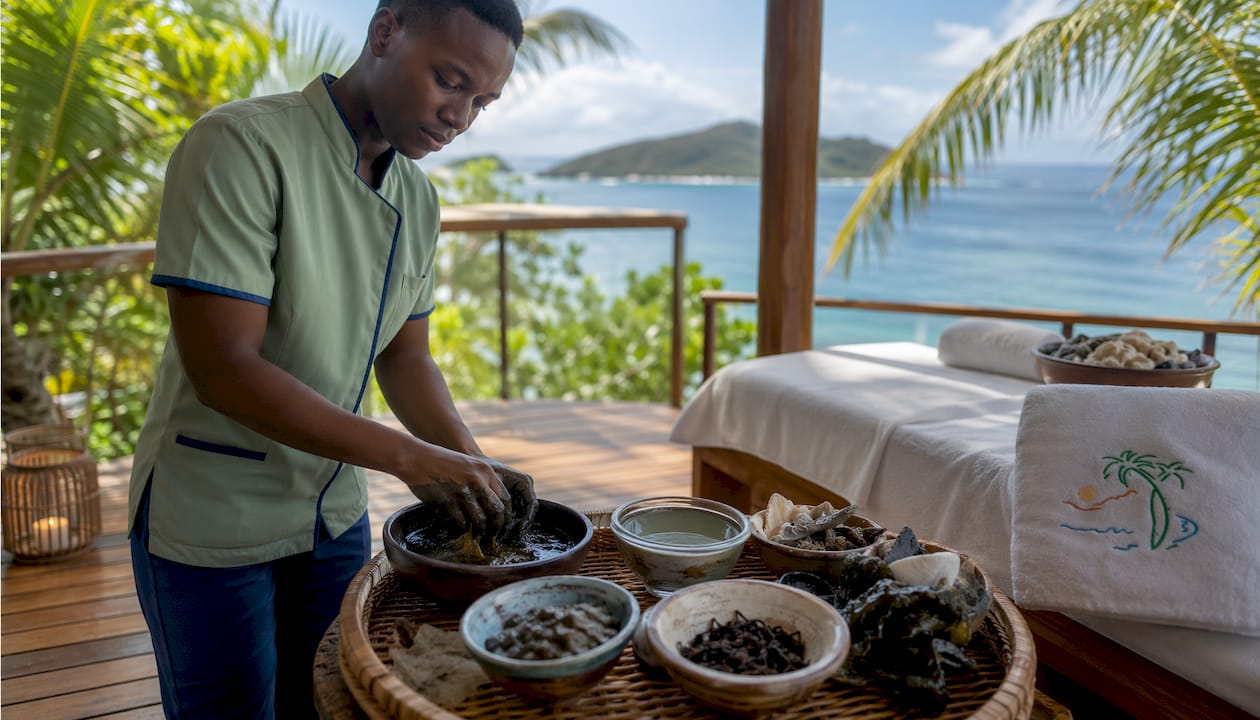
Thalassotherapy uses seawater, sea mud, and marine climate together for therapeutic effect. Clinical reviews show significant improvements in psoriasis, arthritis pain, and fibromyalgia symptoms when seawater treatments are combined with sunlight exposure. Mineral baths, seaweed wraps, and warm saltwater soaks all fall here.
Best for: guests with skin conditions, joint discomfort, or anyone who wants deep physical restoration without exertion.
Cold-water immersion and contrast therapy
A brief plunge into cool ocean water triggers a norepinephrine surge and, with repeated sessions, builds mood stability and stress tolerance. Contrast therapy alternates warm and cool immersion to amplify circulation benefits.
Best for: guests comfortable with mild physical challenge and looking for mood and energy benefits. Medical screening is required for anyone with cardiovascular concerns (more on that in the safety section).
Surf therapy and guided ocean movement
Surf therapy goes well beyond learning to stand on a board. Practitioner Jamie Marshall describes it this way:
"Group surfing builds resilience and social belonging that individual activities often don't replicate — the dynamic, unpredictable nature of waves creates shared challenge and connection." — Jamie Marshall, surf therapy practitioner, via The Conversation
Best for: social travelers, those recovering from stress or trauma, and anyone who wants an active, skill-building experience. Luana inn can coordinate introductory surf lessons through local guides.
Supported floating and breathwork
Supported floating in waist-deep water with a bodyboard or tow-float makes this practice accessible to non-swimmers. Guided breathwork during the float deepens the parasympathetic response. Sessions typically run 30–60 minutes.
Best for: guests with mobility limitations, anxiety, or anyone seeking a deeply meditative water experience without swimming ability.
Marine-sourced body treatments
Seaweed wraps, peloid (marine mud) applications, and algae-based facials are the spa-side of marine healing. Narrative reviews cite peloid therapy as beneficial for chronic joint conditions and skin health. These treatments are done on a table, fully supported, and require no water entry at all.
Best for: guests who prefer a spa setting, those with limited mobility, or anyone wanting to complement active ocean sessions with recovery-focused treatments.
Shoreline meditative practices
Wave-sound sessions, soft-eye horizon gazing, and rhythmic breathing at the shore are sometimes called "shoreline echoes." Practitioners report these practices effectively entrain the nervous system to mimic the calming effects of full ocean immersion, making them a strong option when direct water entry isn't comfortable.
Best for: guests with water anxiety, those in early recovery, or anyone who wants a low-barrier daily practice.
What a typical ocean healing session looks like
Session formats vary widely, from a 20-minute solo shoreline sit to a multi-day guided retreat. Here's a practical overview of what to expect at each level.
| Format | Typical Length | What's Usually Included | Rough Price Range |
|---|---|---|---|
| Drop-in session | 20–45 min | Self-guided, no equipment | Free–$30 |
| Group class or guided walk | 60–90 min | Facilitator, basic gear | — |
| Half-day program | 3 hours | Guide, transport, equipment | — |
| Private guided immersion | 2–3 hours | Certified guide, personalized plan | — |
| Multi-day wellness package | 2 days | Lodging, meals, multiple sessions | — |
Group sessions tend to cost less and add a social dimension that solo work can't replicate. Private sessions offer more personalization and are worth the premium if you have specific therapeutic goals or mobility needs. Book at least 48–72 hours in advance for guided Hawaii ocean activities; popular guides fill quickly, especially December through March.
Mobility-access options are more available than most travelers realize. Shore-based sessions and waist-deep floats require no swimming ability, and many guides carry adaptive gear.
How to choose the right ocean healing experience for you
Match your choice to your primary goal first. Stress recovery and mental restoration? Start with passive blue-space exposure or a shoreline meditation session. Chronic pain or skin conditions? Thalassotherapy-style spa treatments or seaweed wraps are the most evidence-backed path. Craving social connection and a physical challenge? Surf therapy delivers both.
Ask yourself three questions before booking:
- What's my mobility level? If walking on uneven sand is difficult, prioritize spa treatments or supported floating in calm water.
- Do I want active challenge or passive restoration? Active (surf, open-water swim) and passive (shoreline sit, spa wrap) experiences produce different outcomes. Both are valid.
- Do I prefer private guidance or a group energy? Group sessions build belonging; private sessions go deeper on personal goals.
Pro Tip: Ask any provider whether they offer shore-based "shoreline echoes" alternatives, such as wave-sound sessions or guided breathwork at the water's edge, if full ocean entry feels like too much. These practices genuinely reproduce many of the same calming effects, and a good guide will have them ready.
Blue care research supports ocean therapy as a non-invasive complement to traditional care for anxiety and depression, which makes it worth discussing with your clinician if you're managing either condition.
Safety, contraindications, and when to see a clinician
Consult a clinician before cold-water immersion or high-exertion open-water activities if you have cardiovascular disease, uncontrolled hypertension, epilepsy, or recent major surgery. This isn't a formality; cold immersion triggers a strong sympathetic response that can be dangerous without medical clearance.
Hawaii-specific hazards to check before every session:
- Rip currents and strong surf: Check the National Weather Service surf advisories for the Big Island before any open-water entry.
- High surf months: November through February brings elevated swell on exposed shores. Stick to protected bays like Kealakekua for immersion during this period.
- Seasonal jellyfish cycles: Box jellyfish appear on the leeward coast roughly 9–10 days after a full moon. Ask local guides for the current cycle.
- Sun exposure: Hawaii's UV index is consistently high year-round. Apply reef-safe sunscreen 20 minutes before any outdoor session.
Safety note: Every guided ocean activity should include a pre-session gear check, a confirmed emergency contact, and a guide who knows the location of the nearest clinic. For retreats, confirm that an AED is on-site and that at least one staff member holds current CPR certification.
Common temporary exclusions: open wounds or active skin infections (skip immersion and seaweed wraps until healed), first trimester of pregnancy (avoid cold immersion and high-exertion surf; consult your OB for any water activity), and active ear infections (avoid full submersion).
This article is general information, not medical advice. Confirm whether any ocean healing activity is appropriate for your specific health situation with a qualified clinician before booking.
How Luana inn layers ocean healing into a luxury stay
Luana inn sits above Kealakekua Bay, one of the most protected and historically significant stretches of water on the Big Island. That location isn't just scenic; it's a practical advantage for guests who want calm, accessible ocean conditions paired with on-site wellness.
"Kealakekua Bay's sheltered waters make it one of the most accessible spots on the Big Island for gentle ocean immersion, snorkeling, and shoreline meditation — the kind of place where you can ease into the water at your own pace." — Luana inn, Wellness Gallery
Here's how the property maps to the experience categories:
-
Shoreline blue-space exposure → morning walk to the bay or cliffside yoga at sunrise
-
Thalassotherapy-style treatments → spa services including marine-inspired body treatments
-
Supported floating and breathwork → coordinated guided in-shore sessions through local partners
-
Marine-sourced body treatments → seaweed and mineral-based spa treatments on-site
-
Recovery and contrast therapy → chlorine-free pool, hot tub, and infrared sauna for post-immersion recovery
-
Shoreline meditation → dedicated yoga and meditation spaces with ocean-facing views
Sample 2-day itinerary:
Day 1: Morning shoreline walk at Kealakekua Bay (passive blue-space, 45 min) → afternoon spa treatment with seaweed or mineral wrap → evening hot tub and infrared sauna session.
Day 2: Guided in-shore supported float with breathwork (booked through Luana inn's local partners, 60–90 min) → farm-to-table breakfast → cliffside yoga or meditation session.
Pro Tip: When reserving, ask specifically about the wellness packages that include both spa treatments and guided ocean activity coordination. The vacation packages page lists current bundled options, and the front desk can help you layer experiences based on your goals and mobility.
When to go and what to pack for ocean healing in Hawaii
Most ocean healing activities are available year-round in Hawaii. That said, winter months (November through March) bring higher surf on exposed shores, so plan gentle sessions and immersions at protected bays during that window. April through October offers calmer conditions on most coasts and is the most flexible season for active water therapies.
Morning sessions are almost always better. The ocean surface is glassier before the trade winds pick up, guides are fresher, and the light is extraordinary.
Packing checklist:
- Reef-safe, mineral-based sunscreen (required at many Hawaii beaches and better for your skin)
- Quick-dry layers for post-immersion warmth
- Water shoes for rocky entries
- A small bodyboard or tow-float if you plan supported floating and aren't a confident swimmer
- Reusable water bottle (hydration matters more in tropical heat than most guests expect)
Pro Tip: Choose reef-safe sunscreen with non-nano zinc oxide or titanium dioxide. Hawaii state law restricts oxybenzone and octinoxate in sunscreens sold in the state, and the reef at Kealakekua Bay is worth protecting.
For a deeper look at why Hawaii's geography makes it so well-suited for wellness travel year-round, the Big Island's leeward coast offers some of the most consistent conditions in the Pacific.
Key Takeaways
Ocean healing experiences work best when you match the type to your goal, whether that's passive restoration, physical recovery, or social resilience.
| Point | Details |
|---|---|
| Six core categories | Passive blue-space, thalassotherapy, cold immersion, surf therapy, supported floating, and marine-sourced treatments cover the full range. |
| — | Large studies link spending at least 120 minutes per week near blue spaces with measurable improvements in psychological well-being and sleep. |
| Match type to goal | Stress recovery favors shoreline and breathwork; pain relief favors thalassotherapy; social resilience favors surf therapy. |
| Safety first | Cold immersion and high-exertion activities require medical clearance for cardiovascular conditions, hypertension, or epilepsy. |
| Luana inn | Pairs Kealakekua Bay access with on-site spa, pool, sauna, and coordinated guided ocean sessions through curated vacation packages. |
Why the ocean does something a spa alone can't
Most wellness travel articles treat ocean access as a backdrop, a nice view from the room. That framing undersells what's actually happening. The ocean isn't just scenery; it's an active sensory environment that does specific neurological work. The repeating fractals of waves, the negative ions in sea air, the sound frequencies of surf, these aren't poetic details. They're the mechanism.
What I find most overlooked in luxury wellness conversations is the difference between passive and intentional ocean time. Sitting by the water with your phone in your hand is not the same as sitting by the water with your attention on the horizon. The research on blue health is clear that the benefits scale with engagement. A guided session, even a simple shoreline breathwork practice, produces more measurable restoration than an equal amount of time spent distracted at the same location.
The practical takeaway for anyone planning a Hawaii stay: don't just book a room with an ocean view. Book at least one guided or intentional session, even a 45-minute shoreline meditation, and let the property help you layer the rest. Ask the front desk at Luana inn what's available during your dates.
Luana inn's ocean wellness stays: what's included and how to book
Luana inn gives you something most Hawaii accommodations don't: a protected bay at your doorstep, on-site spa treatments, and a team that can coordinate guided ocean experiences, all in one stay. The concrete advantage over booking activities and lodging separately is simplicity. You arrive, you tell the front desk your goals, and the itinerary comes together around you.
The wellness packages bundle spa treatments, farm-to-table breakfasts, and access to the chlorine-free pool, hot tub, and infrared sauna. For guests who want guided ocean sessions layered in, the front desk coordinates with trusted local partners for supported floats, snorkeling, and introductory surf experiences at Kealakekua Bay.
- Shoreline meditation and yoga → cliffside spaces with ocean views, available daily
- Marine-inspired spa treatments → seaweed and mineral body work, bookable on-site
- Guided ocean sessions → coordinated through local partners, arranged at check-in
- Recovery amenities → chlorine-free pool, hot tub, infrared sauna
Ready to put together your ocean healing itinerary? Browse current packages or visit luanainn.com to check availability and book your stay.