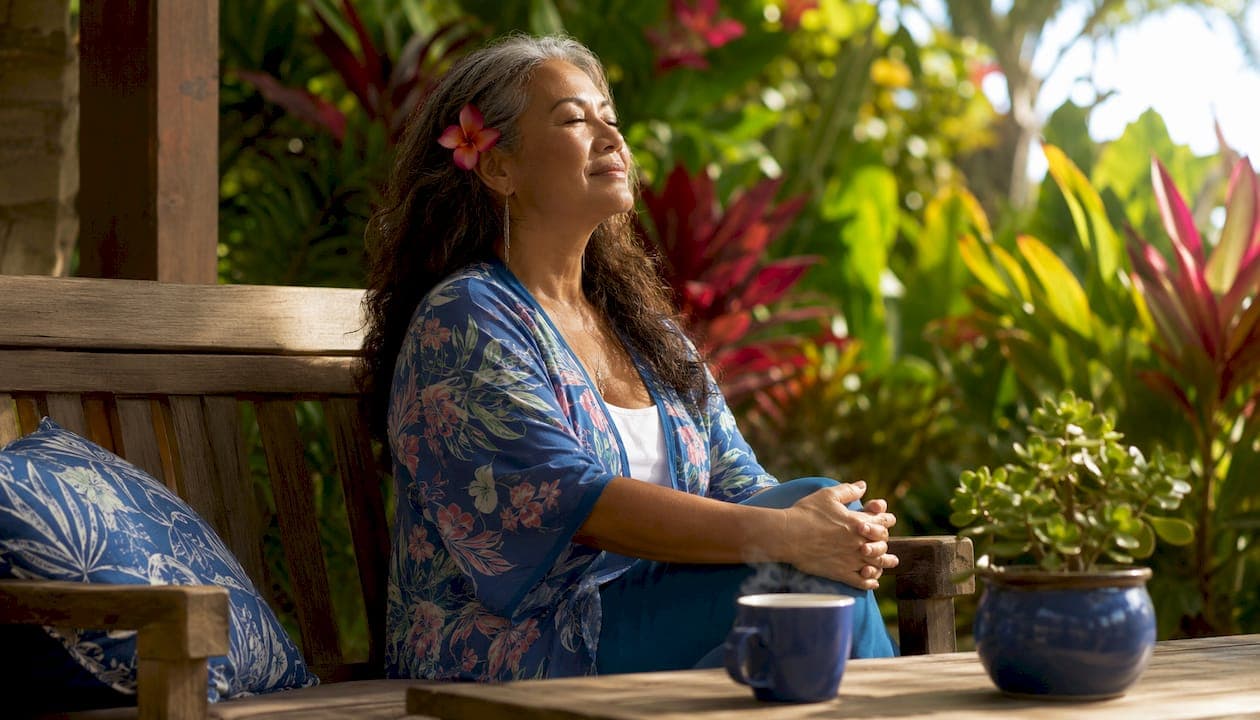
Hawaii suits wellness travel better than almost any destination on earth. The islands offer something rare: a living culture where healing is not a product but a practice woven into daily life. Indigenous traditions like Lomi Lomi massage and La'au Lapa'au herbal medicine have shaped how people here understand health for generations. Layer in volcanic landscapes, ocean air, and community projects like Ho'oulu 'Āina, and you get a place where restoration happens naturally. Here is what makes Hawaii genuinely different:
- Indigenous healing traditions rooted in pono (balance) and aloha, practiced daily
- Distinct island environments from Big Island's volcanic terrain to Kauai's rainforest quiet
- Community wellness initiatives connecting land stewardship to personal health
- World-class retreats like Sensei Lana'i, a Four Seasons Resort on Lana'i
- Welcoming B&Bs like Luana inn, tucked into the Big Island's foothills above Kealakekua Bay
How Hawaiian cultural values shape every wellness experience
The foundation of wellness in Hawaii is not a spa menu. It is a worldview. The Lōkahi Triangle, a framework from Native Hawaiian tradition, describes health as a balanced relationship among akua (spirituality), ʻāina (land), and kānaka (people). When those three are in harmony, pono, or rightness, follows. That is a very different starting point than most wellness destinations offer.
The 2023 ʻImi Pono survey by Kamehameha Schools found that 78% of Native Hawaiians say cultural heritage is "quite a bit" or "extremely" important to their wellbeing, compared to 52% of non-Hawaiians. That gap tells you something real about how deeply culture functions as medicine here. Practices like lomilomi and lāʻau lapaʻau are not tourist offerings; they are healthcare accessed regularly by local families.
Hawaii's life expectancy of about 80 years reflects clean air, year-round outdoor activity, and tight community bonds. The state consistently earns top national health rankings, and researchers point to those same cultural and environmental factors as the reason.
Statistic callout: The 2023 ʻImi Pono survey found that 30% of all Hawaiʻi residents participated in a culturally based prevention or treatment program at least monthly in the past year.
Pro Tip: Approach wellness experiences in Hawaii with genuine curiosity and respect. Ask your guide or host about the tradition behind a practice before you participate. That posture shifts the experience from tourism to something much closer to what locals actually feel.
Which island fits your wellness goals?
Each main Hawaiian island offers a different kind of restoration, and choosing the right one matters more than most travelers realize. Rushing between islands is one of the fastest ways to undo the rest you came for.
- Big Island: Volcanic landscapes, black sand beaches, and lava fields create a grounding, elemental energy. The Big Island suits travelers drawn to nature-based healing, personal transformation, and spiritual inquiry. Luana inn sits on the Big Island's Kona coast, overlooking Kealakekua Bay, with sunsets that shift color every evening.
- Kauai: Lush valleys, waterfalls, and a slower pace make this island ideal for quiet restoration. Fewer urban centers mean less noise, more space to breathe. Restorative retreats here lean into introspection and calm.
- Maui: A balance of dramatic scenery, accessible trails, and comfort. Maui works well for travelers who want to mix movement, nature excursions, and genuine rest without sacrificing convenience.
- Oahu: The most accessible island, with a deep concentration of Hawaiian cultural sites. Quiet valleys and retreat centers exist well away from city life, making it a strong choice for first-timers who want cultural depth alongside easy logistics.
Pro Tip: Pick one island and stay. Doing less and following a single island's natural rhythm produces more restoration than hopping between destinations.
How to plan a healing vacation in Hawaii
Good planning is what separates a genuinely restorative trip from an expensive one that leaves you tired. A few things are worth getting right before you book.
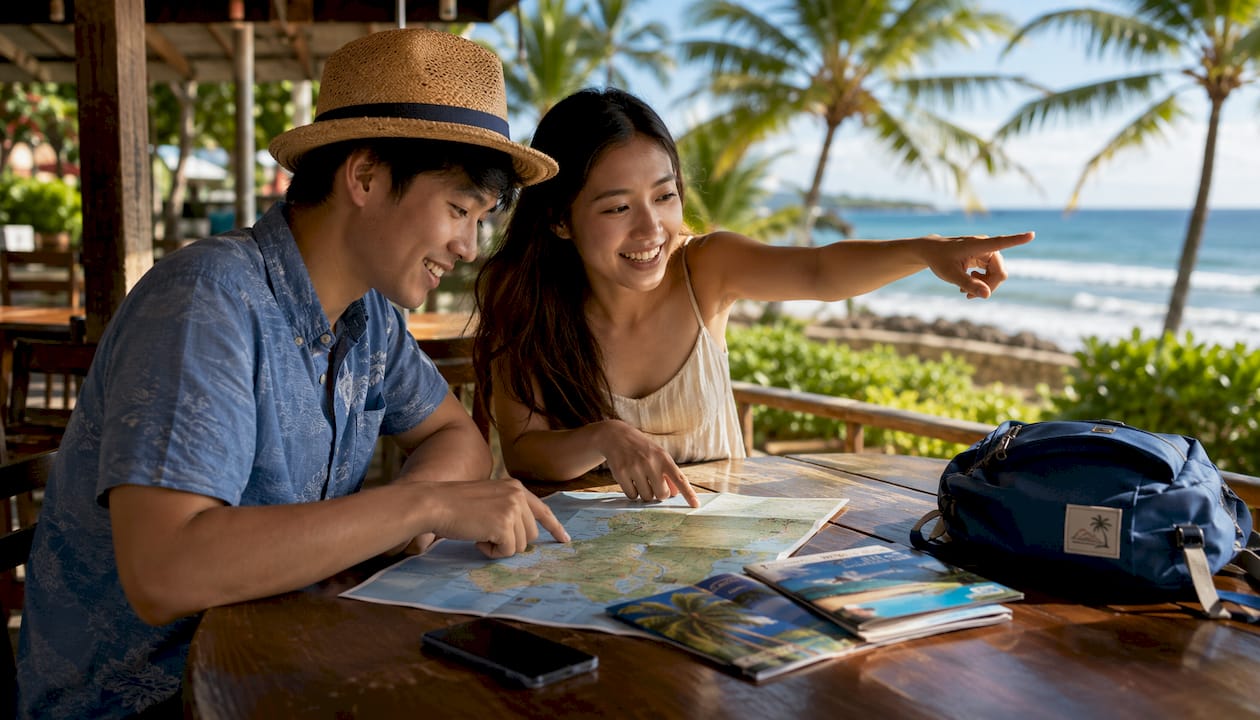
Timing and access: The shoulder seasons, april through may and september through october, offer warm weather with fewer crowds at trailheads and beaches. If you are heading to a rural area on the Big Island or Molokai, check road conditions and ferry schedules in advance. Some of the most restorative spots require a little extra effort to reach.
Cultural etiquette: Hawaii's wellness culture asks something of visitors. Stay on marked trails, give space at sacred sites, and slow down to match the island's pace. The cultural etiquette guide for visitors is worth reading before you go. Patience is not just politeness here; it is part of the practice.
What to look for in a retreat or stay:
- Programs that integrate movement and rest, not just one or the other
- Accommodations close to nature, not just near a beach
- Hosts or guides with genuine ties to Hawaiian culture
- Itineraries with open time built in, not every hour scheduled
Hawaii's slower island rhythm actively supports nervous system regulation. The environment does a lot of the work, but only if you give it room to.
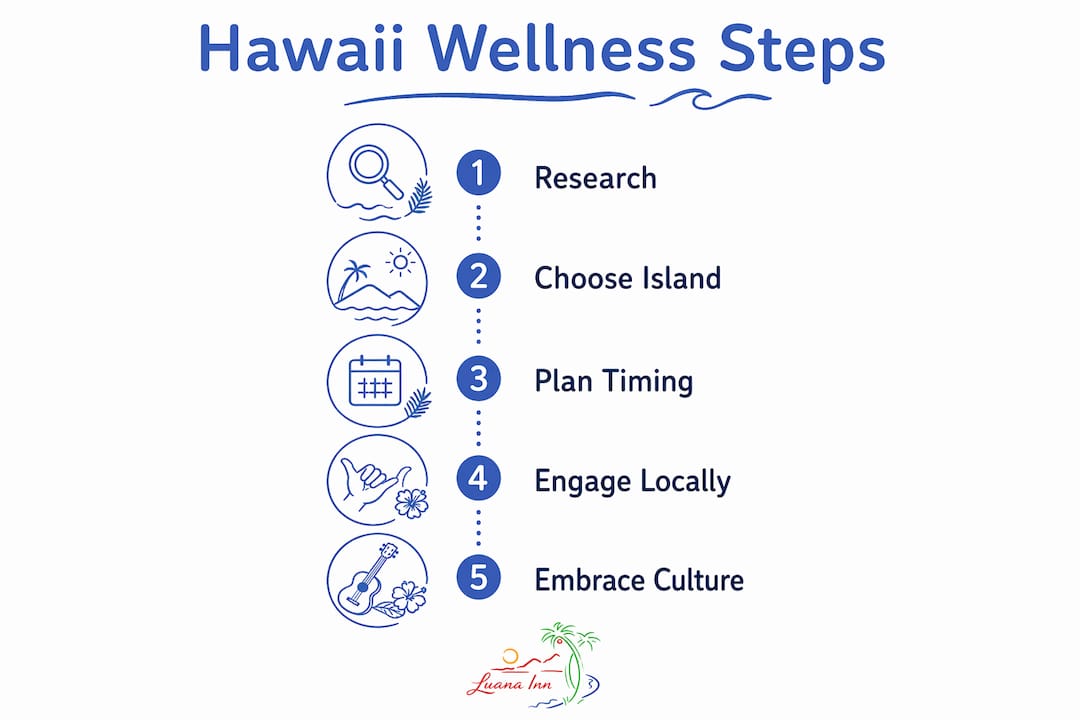
Community wellness projects that show Hawaii's healing culture in action
Hawaii's wellness culture is not just personal. It is collective, and some of the most compelling evidence for it lives in community projects that tie land stewardship directly to health.
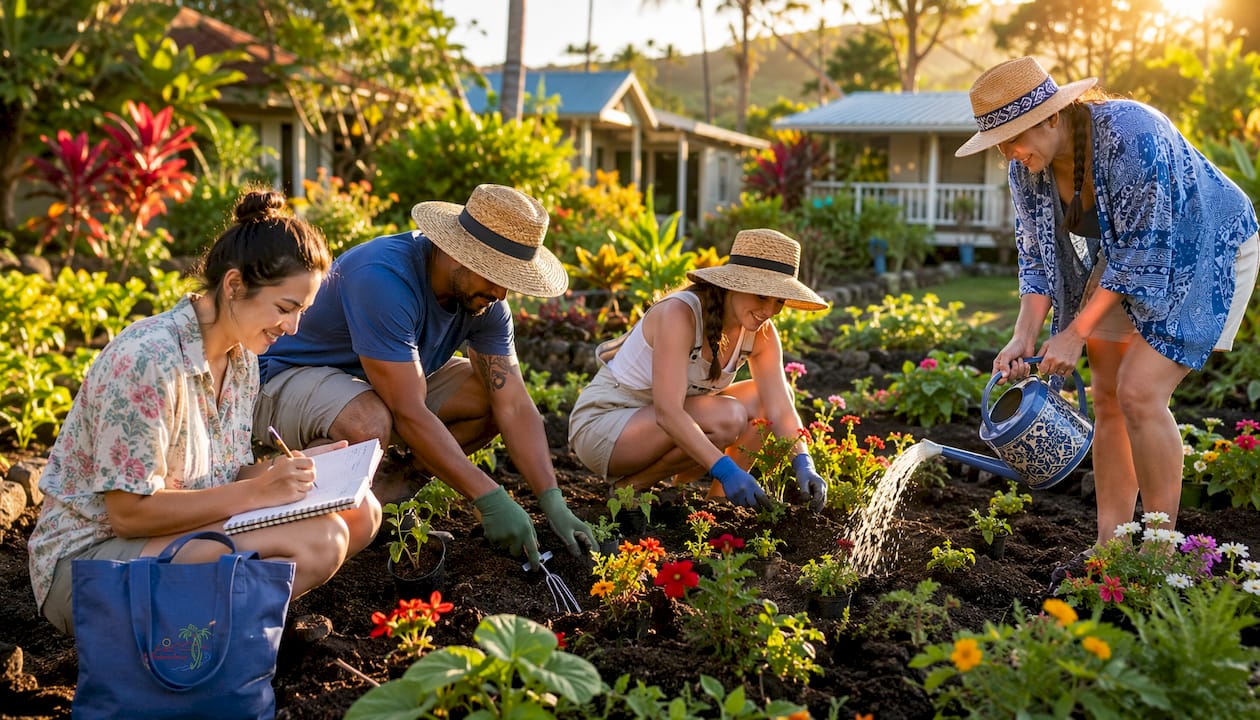
Ho'oulu 'Āina in Kalihi Valley is one of the clearest examples. Each year, more than 5,000 residents and visitors join in native reforestation, organic gardening, and the preservation of cultural healing practices on 100 acres of state conservation land. The project's name means both "to grow the land" and "to grow because of the land." That double meaning captures something true about how healing works here: you give to the land, and the land gives back.
On Molokai, that reciprocal relationship shows up differently. The Robert Wood Johnson Foundation awarded Molokai its 2024 Culture of Health Prize, recognizing the island as a place where land and people exist in a regenerative, symbiotic relationship. Community partnerships there have removed more than 35,000 pounds of invasive algae from nearshore reefs, directly protecting the fisheries that feed local families.
Statistic callout: Ho'oulu 'Āina engages over 5,000 participants annually in land stewardship activities that the Pilinahā indigenous health framework identifies as core to community wellbeing.
Wellness travelers who engage with these initiatives, even as observers or volunteers for a morning, consistently report a deeper sense of connection than those who stick to resort amenities. The ʻāina connection is not a metaphor. It is a mechanism.
What you eat in Hawaii is part of the wellness experience
Hawaiian food culture is not separate from wellness. It is one of its oldest expressions. Traditional nutrition here centers on fresh fish, taro, sweet potato, and locally grown produce, foods that have sustained island communities for centuries without the processing that defines most modern diets.
The Roots program at Kalihi Valley Instructional School produces more than 6,000 pounds of fresh organic produce annually, distributed directly to the community. That kind of food sovereignty, growing and sharing culturally relevant food, is understood as a health practice, not just a supply chain. Taro, in particular, carries deep cultural significance; it is considered an ancestor in Native Hawaiian tradition, and eating it is an act of connection as much as nourishment.
When you stay somewhere like Luana inn, you are close to farmers markets, local fish stands, and roadside fruit sellers that stock the real thing. Eating a plate of fresh ahi with local greens after a morning hike is not incidental to your wellness trip. It is the point.
Key Takeaways
Hawaii suits wellness travel because its healing culture is indigenous, community-rooted, and backed by measurable health outcomes, not manufactured for tourists.
| Point | Details |
|---|---|
| Cultural foundation | The Lōkahi Triangle frames health as balance among spirituality, land, and people, shaping every authentic wellness experience. |
| Life expectancy | Hawaii's life expectancy of about 80 years reflects clean air, outdoor activity, and strong community ties. |
| Community participation | 30% of all Hawaiʻi residents engage in culturally based health programs at least monthly. |
| Island selection | Big Island suits transformation, Kauai suits restoration, Maui suits balance, and Oahu suits cultural access. |
| Do less, gain more | Staying on one island and following its natural rhythm produces deeper restoration than over-scheduling. |
Experience the Big Island's wellness magic at Luana inn
Luana inn sits in the foothills of Mauna Loa, overlooking Kealakekua Bay on the Big Island's Kona coast. You wake up to pastel sunrises over the mountain, spend your days exploring volcanic trails and sacred bays, and end the evening watching the sky change colors from your lanai. It is the kind of place where the island's restorative travel experiences come to you without effort.
If you are ready to kick back and let the Big Island do what it does best, book your stay at Luana inn and start planning the wellness trip you have been putting off.