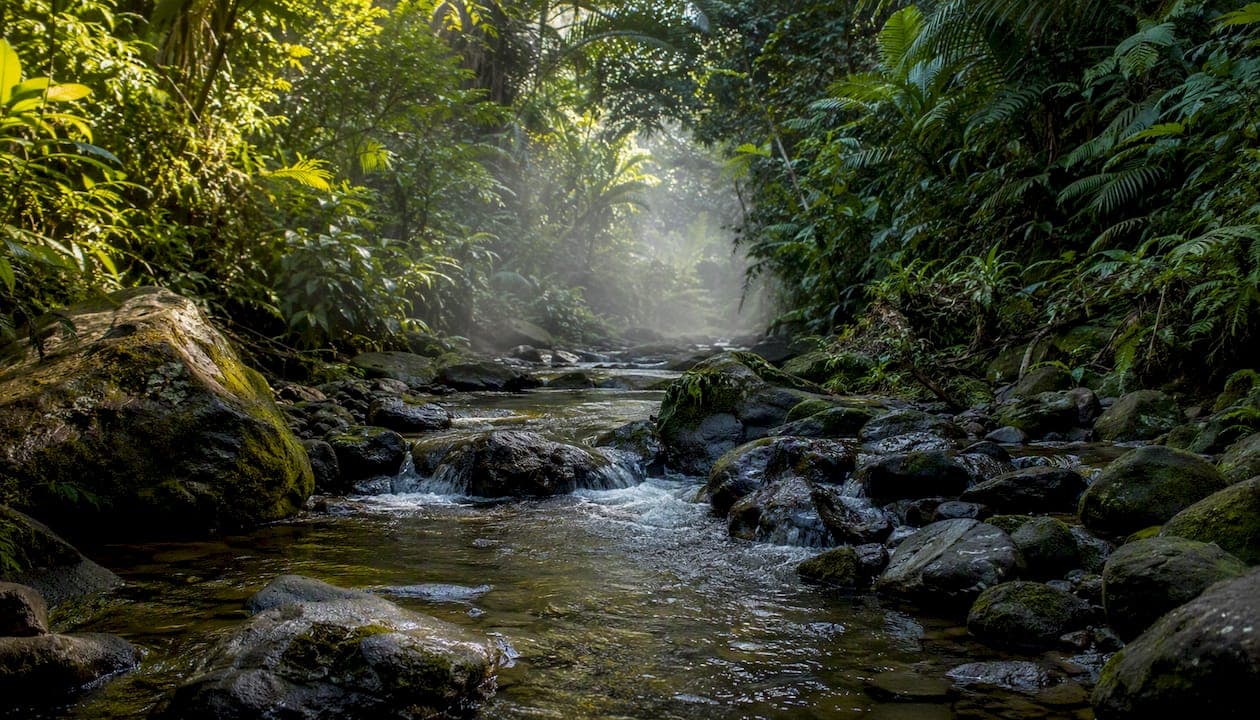
Hawaii promotes deep relaxation because it combines three powerful forces at once: a sensory-rich natural environment that directly calms your nervous system, cultural practices rooted in connection and compassion, and hands-on healing therapies like Lomi Lomi that work on the body itself. You don't have to do anything special to feel it. The islands do much of the work for you.
- Ocean and blue mind: Wave sounds, negative ions, and warm sunlight shift your body toward rest, lowering cortisol and blood pressure almost automatically.
- Forest bathing and phytoncides: Slow walks through Hawaii's fern trails and botanical forests expose you to plant-emitted compounds linked to lower stress hormones and stronger immune markers.
- Cultural practices and touch therapies: The Aloha spirit, ho'oponopono, and Lomi Lomi massage work together to quiet mental chatter and release physical tension in ways that a standard spa day rarely achieves.
Luana inn, perched above Kealakekua Bay on the Big Island, sits at the center of all three.
Key Takeaways
Hawaii promotes deep relaxation through a combination of sensory-rich nature, culturally rooted practices, and hands-on therapies that work together to shift your nervous system toward sustained rest.
| Point | Details |
|---|---|
| Nature does the heavy lifting | Ocean sounds, phytoncides, and sunlight lower cortisol and support mood with minimal effort from you. |
| Cultural practices amplify the effect | The Aloha spirit, ho'oponopono, and mana-based thinking reduce rumination and deepen the sense of connection. |
| Lomi Lomi targets the body directly | A 60–90 minute session improves circulation and lymphatic flow; follow it with a rest day for best results. |
| Unscheduled time is the most underrated tool | One full "do-nothing" afternoon mid-trip resets your baseline more reliably than back-to-back activities. |
| Luana inn puts it all within reach | On-site spa, chlorine-free pool, infrared sauna, and farm-to-table breakfasts on the Big Island's quiet west coast. |
Table of Contents
- Why does Hawaii's natural environment promote deep relaxation?
- How Hawaiian cultural practices deepen your sense of calm
- What kinds of relaxation experiences can you find in Hawaii?
- Practical tips for getting the most restorative benefit
- What does the science say about Hawaii's relaxation effect?
- What actually shifts when you slow down in Hawaii
- Luana inn: a restful base for your Big Island wellness stay
- Sources
Why does Hawaii's natural environment promote deep relaxation?
Hawaii's landscapes do something most vacation destinations don't: they act directly on your autonomic nervous system, nudging it away from the "fight-or-flight" state and toward what physiologists call "rest-and-digest." The effect is measurable, not just poetic.
The ocean's role goes well beyond pretty views. Research linking ocean sounds and negative-ion-rich shore air to reduced cortisol and improved mood is consistent across multiple studies. Walking barefoot on warm sand, listening to rhythmic waves, and soaking up sunlight all trigger serotonin production and support vitamin D levels, both of which regulate mood and sleep. Mental-health practitioners working in Hawaii note that ocean and landscape exposures produce measurable reductions in stress and create natural openings for mindfulness that are harder to access in urban settings.
Forest bathing (the Japanese practice known as shinrin-yoku) translates beautifully to Hawaii's lush interior. Slow, mindful walks through botanical gardens or fern-heavy trails expose you to phytoncides, volatile compounds released by trees and plants. These compounds are associated with lower stress hormones and improved immune markers, and you absorb them simply by breathing. You don't need a strenuous hike.
Phytoncide research consistently shows that even short forest immersion sessions, roughly 2–3 hours, are associated with meaningful reductions in cortisol and adrenaline levels, according to published work synthesized by Hawaii wellness guides.
Hawaii's climate adds another layer. Warm, humid mornings encourage you to slow down. Predictable sunrises and sunsets create natural rhythms that your body recognizes and responds to. The sensory cues worth prioritizing:
- Quiet bay mornings before 8 AM, when the water is glassy and the light is soft
- Shaded fern trails in places like the Waipio Valley or Akaka Falls area
- Sunrise from a hillside perch, which resets your circadian rhythm and lifts mood before the day begins
How Hawaiian cultural practices deepen your sense of calm
Cultural practices are where Hawaii's relaxation effect gets genuinely distinctive. The early Hawaiian relationship with land and sea, documented by the National Park Service, was built on reciprocity and stewardship, values that modern healing traditions still carry. When you engage with those traditions, even briefly, the psychological shift is real.
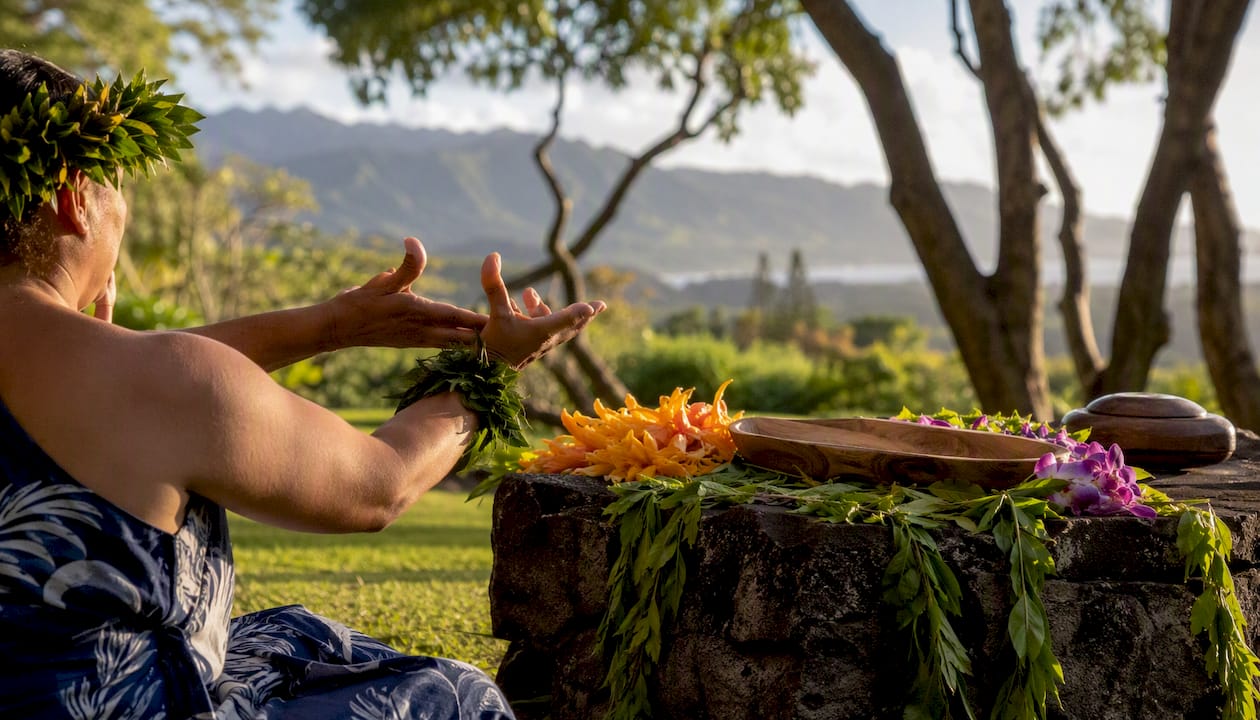
Lomi Lomi: what it is and what to expect
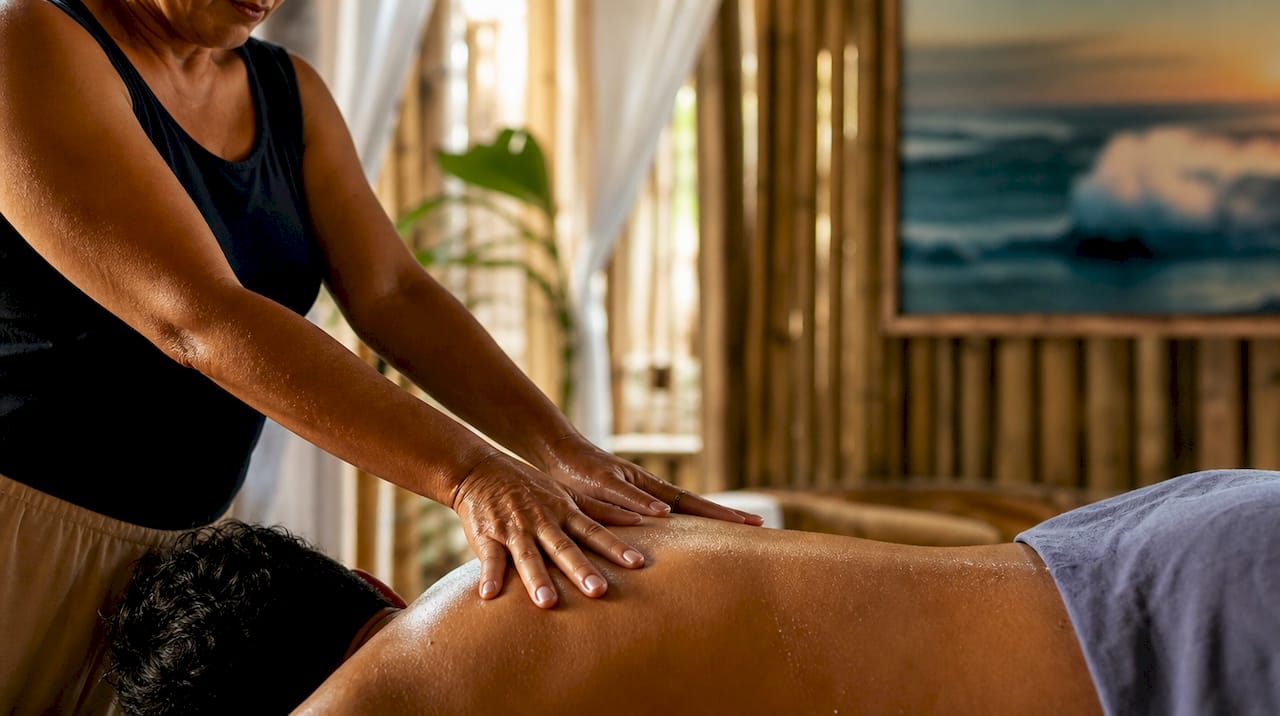
Lomi Lomi is a traditional Hawaiian massage that uses long, rhythmic, wave-like strokes, often with the forearms as well as the hands, to restore the flow of mana (life energy) through the body. It's holistic in the truest sense: practitioners approach the session as emotional, spiritual, and physical healing simultaneously. Physically, Lomi Lomi improves circulation and lymphatic flow and is particularly effective at relieving travel fatigue and jet lag, which makes it a smart first booking after a long flight.
What to expect in a session:
- Sessions typically run for about an hour to an hour and a half; some full-body treatments may extend longer.
- You'll lie on a table in a warm, quiet room, ideally with natural sounds nearby (waves or birdsong amplify the effect).
- The therapist uses continuous, flowing strokes that cover large areas of the body without stopping, which produces a trance-like state of relaxation.
- Practitioners often incorporate light breathwork or intention-setting at the start.
Precautions to know before you book:
- Avoid Lomi Lomi if you have open wounds, active skin infections, or recent surgery.
- Consult your doctor first if you are pregnant, have a blood-clotting disorder, or are undergoing cancer treatment.
- Communicate any areas of sensitivity before the session begins; a skilled practitioner will adapt.
Ho'oponopono and the Aloha spirit
Ho'oponopono is a Hawaiian forgiveness and reconciliation practice. At its core, it asks you to release resentment and restore harmony, both with others and within yourself. Even a simplified version (repeating the four phrases: "I'm sorry, please forgive me, thank you, I love you") reduces rumination and prepares the mind for genuine rest. It's not mystical; it's a practical tool for letting go of the mental loops that keep your nervous system activated.
The Aloha spirit functions as a behavioral framework, not just a greeting. It encourages slowing down, observing, and connecting with the people and places around you. Visitors who genuinely adopt this mindset, rather than treating the islands as an activity backdrop, consistently report deeper and longer-lasting rejuvenation. The concept of mana reinforces this: when you feel connected to a place and treat it with care, you feel more grounded and less depleted.
What kinds of relaxation experiences can you find in Hawaii?
Deep rest is available across a wide range of budgets and preferences. The key is choosing the format that matches how your nervous system actually unwinds, not just what looks good in photos.
Luxury resort spas like the Four Seasons Resort Hualalai and Sensei Lanai offer world-class Lomi Lomi sessions, hydrotherapy, and guided wellness programs in beautifully designed settings. These are excellent for travelers who want a fully curated experience with no planning required.
Eco-retreats like Kalani Oceanside Retreat on the Big Island take a community-centered approach: shared meals, yoga, and access to natural pools in a setting that encourages genuine slowing down. The pace is built into the structure.
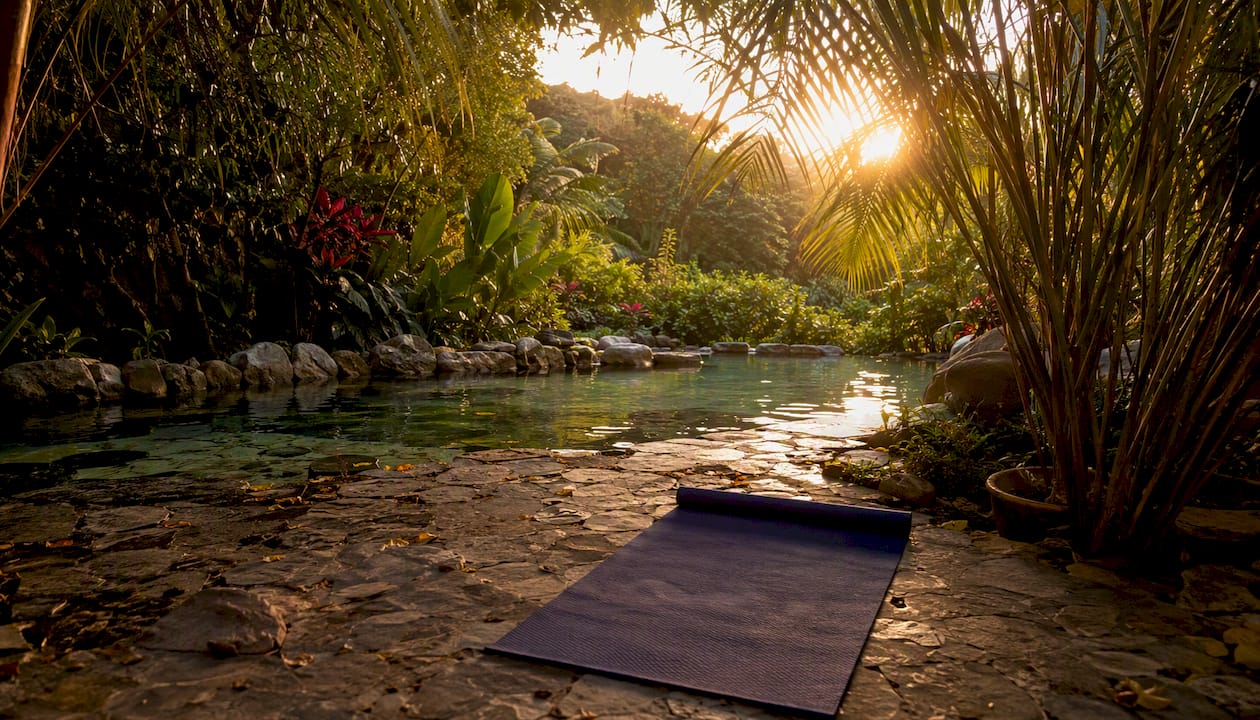
Community-based and self-guided experiences are often the most underrated. A morning of mindful snorkeling in a quiet bay, a guided botanical walk, or a volunteer mālama activity (caring for the land) can produce restoration that rivals a full spa day, at a fraction of the cost.
Activities worth building into any itinerary:
- Beach yoga at sunrise, when the sand is cool and the light is gentle
- Guided forest bathing on fern trails with a naturalist
- A single, well-timed Lomi Lomi session mid-trip (not day one, not the last day)
- Mindful snorkeling in a calm, protected bay
- A full "do-nothing" afternoon with no phone and no agenda
When selecting any retreat or experience, look for: a quiet location away from resort traffic, session privacy, verifiable practitioner credentials, reef-safe policies, and a program that actively encourages unscheduled time.
Practical tips for getting the most restorative benefit
The single most effective thing you can do is protect unscheduled time. One restorative practice per day, combined with genuinely free afternoons, produces more lasting benefit than a packed itinerary of wellness activities.
Before and during your trip:
- Travel during shoulder season (April–May or September–October) when crowds are thinner and the pace is naturally slower.
- Book one 60–90 minute Lomi Lomi session mid-trip, not on arrival day when you're still in transit mode.
- Spend at least one morning at a quiet bay before 8 AM, when the water and the light are at their calmest.
- Walk a shaded forest trail at least once; even 90 minutes of slow walking in green space shifts your stress markers.
- Eat simply and locally: fresh fish, tropical fruit, and poi are light, nourishing, and keep your energy steady without the heaviness of heavy meals.
- Use reef-safe sunscreen on every beach visit. It's both a legal requirement in Hawaii and a practical act of mālama.
Pro Tip: Schedule one full "do-nothing" afternoon mid-trip and protect it like a flight. No activities, no social media, no sightseeing. Sit near water, read, or simply watch the light change. Travelers who do this consistently report that it resets their baseline more than any single treatment, because it gives the nervous system time to consolidate the calm it's been building.
For Lomi Lomi specifically: a 90-minute session followed by a rest day (light movement only, no sun-drenched adventures) allows the lymphatic and circulatory benefits to settle. Back-to-back active days immediately after a deep massage reduce the effect noticeably.
What does the science say about Hawaii's relaxation effect?
The strongest research anchors for why Hawaii relaxes visitors come from three areas: forest bathing, ocean exposure, and touch physiology. Together, they explain the biological mechanisms behind what visitors feel.
Forest bathing and phytoncides are the most studied. Slow immersion in forested environments, even for a few hours, is associated with lower cortisol, reduced adrenaline, and improved natural killer cell activity. Mindful walking in Hawaii's botanical trails stimulates the parasympathetic nervous system and exposes you to these plant compounds without any strenuous effort.
Research consistently links forest immersion to lower stress hormones and improved immune markers, effects that appear even in short sessions and persist for days afterward.
Ocean exposure compounds the effect. Hawaii's beaches combine wave sound, negative ions, and sunlight in a way that reduces cortisol and supports mood regulation. The beach setting also naturally encourages physical activity (walking, swimming) and mindfulness, both of which release endorphins.
Touch physiology explains why Lomi Lomi works so well. Slow, rhythmic massage strokes activate the parasympathetic nervous system, lower heart rate, and reduce circulating stress hormones. The continuous, wave-like motion specific to Lomi Lomi is particularly effective at producing a sustained relaxation response rather than a brief one.
A few honest limits: many individual studies in this space are small, and results vary by person and setting. The evidence is consistent in direction but not always large in scale. What it does support clearly is that combining nature exposure, cultural engagement, and hands-on therapy produces a stronger and more lasting effect than any single element alone.
What actually shifts when you slow down in Hawaii
Most visitors arrive expecting relaxation and leave surprised by how different it felt from a regular vacation. The difference, in my view, comes down to one thing: Hawaii doesn't just give you a break from stress. It gives your nervous system a genuinely different set of inputs to process.
The visitors who get the most out of it are the ones who stop trying to optimize the trip. They hold off on social media until after breakfast. They sit with a cup of coffee and watch the light move across the water instead of checking their phone. Small choices, but they compound. By day three or four, sleep deepens, appetite normalizes, and the mental chatter that felt constant at home goes quiet.
The Aloha spirit isn't a marketing phrase. It's a behavioral invitation: slow down, pay attention, and connect. When you accept that invitation, the islands meet you more than halfway.
Luana inn: a restful base for your Big Island wellness stay
Luana inn sits above Kealakekua Bay in Captain Cook, surrounded by the same natural elements this article describes: ocean views, mountain air, and the quiet rhythms of the Big Island's west coast. It's the kind of place where deep relaxation starts before you've booked a single treatment.

A wellness stay at Luana inn gives you:
- Private entrances and bathrooms for every guest, so your space stays genuinely yours
- On-site spa treatments, including Lomi Lomi and holistic wellness packages, available without leaving the property
- A chlorine-free swimming pool, hot tub, and infrared sauna for daily restorative use
- Yoga and meditation space with access to the surrounding natural setting
- Farm-to-table breakfasts made from locally sourced ingredients that keep your energy clean and steady
- Eco-friendly practices that align with the mālama ethic of caring for the land you're visiting
Whether you're booking a single restorative night or a full wellness package, Luana inn is designed to let you do less and feel more. Check availability and book your stay at Luana inn to start planning your Big Island reset.
Sources
- Lomi Lomi Massage | Traditional Hawaiian Healing Massage
- Hawaii Wellness That Isn't a Spa | Hawaii Guide
- Why Hawaii Beaches Are Nature’s Therapy for Stress Relief » Green Magazine Hawaii
- The Influence of Nature and Oceanic Environments on Mental Health in Hawaii — Aloha Psych Associates
- Early Hawaiians | National Park Service