
Yes, guided forest bathing is available across Hawaii, from botanical gardens on Oahu to rainforest gullies on the Big Island, and the research behind it holds up: nature-based mindfulness practices show a medium-sized combined effect on stress and mood compared with sitting still indoors. If you want to book a session, look for a certified guide, ask about terrain and group size, and confirm whether you're signing up for a gentle stroll or something closer to a hike.
TL;DR:
- Forest settings with native vegetation and minimal traffic provide larger psychological benefits compared to manicured parks, especially if they are quiet and free from noise.
- A typical guided session lasts one to two hours, focusing on sensory awareness and stillness, with longer private or retreat options available for deeper experience.
- Scientific evidence shows forest bathing has a moderate effect on stress and mood, reducing cortisol levels and increasing parasympathetic activity, but it is not a medical treatment.
- Confirm that guides are certified through reputable programs and ask about terrain, group size, safety procedures, and cultural respect to ensure a quality experience.
- Pairing forest bathing with a slow, wellness-focused stay, including spa treatments or overnight accommodations, enhances relaxation and promotes lasting nervous system calm.
Table of Contents
- Where to Go in Hawaii for Forest Bathing (and Why the Setting Matters)
- What Happens During a Guided Forest-Bathing Session?
- What Does the Science Actually Say About Forest Bathing?
- How to Choose a Reputable Forest-Bathing Guide in Hawaii
- Planning Your Session: Duration, Cost, and What to Pack
- Cancellation and Refund Policies You Should Ask About
- Forest Etiquette: Respecting Hawaiian Land During Your Session
- Getting Ready: Mind and Body Before You Go
- Pairing Forest Bathing With Other Hawaii Experiences
- Why Pairing a Forest Walk With a Restful Stay Matters
- Extend the Calm With a Wellness-Minded Stay on the Big Island
- Sources
- FAQ
Where to Go in Hawaii for Forest Bathing (and Why the Setting Matters)
Hawaii offers a wider range of forest-bathing settings than most people expect. You'll find everything from misty upland cloud forest to lava-rock rainforest gullies to manicured botanical gardens near resort areas, and the setting you choose changes what you get out of the experience.
That's not a minor detail. Research on nature-based mindfulness found that wild, untamed forest settings tend to produce larger psychological benefits than tidy, landscaped parks. A trail thick with native ohia and ferns, away from traffic noise and mowed lawns, gives your nervous system more to settle into.
When you're scanning a listing or asking a guide about a location, look for:
- Quiet, low-traffic access — a trailhead near a highway undercuts the whole point
- Native vegetation rather than ornamental landscaping
- Trail surface details — packed dirt, roots, lava rock, or paved paths all demand different footwear
- Clear parking or shuttle instructions, since many wilder trailheads have limited space
Keep in mind that some of the most rewarding settings require a short hike to reach. If mobility is a concern, ask directly whether a session happens on level ground or includes elevation change before you book.
What Happens During a Guided Forest-Bathing Session?
A guided session follows a loose but recognizable rhythm, and knowing the flow ahead of time helps you show up with the right expectations.
- Meet and orientation. The guide introduces the space, explains the pace, and often reviews a brief safety or intake note.
- Sensory invitations. You're guided into slow, specific noticing, listening for bird calls, feeling bark texture, watching how light moves through the canopy.
- Stillness pauses. Long stretches of quiet sitting or standing, not walking, tend to matter more than distance covered.
- Optional tea or grounding ritual. Many guided forest therapy sessions close with a shared tea or grounding practice that helps participants transition back to ordinary time.
- Group debrief. A short check-in where people share what they noticed, if they want to.
Public walks typically run one to two hours. Private and retreat-integrated sessions can stretch to a half day. Confirm with your guide whether the format is a stroll on flat ground or includes real elevation gain, since that distinction affects who should sign up.
What Does the Science Actually Say About Forest Bathing?
The evidence is solid enough to take seriously, though it's not a substitute for medical care. A systematic review and meta-analysis of nature-based mindfulness found a medium combined effect size (g = 0.54) across psychological, physiological, and interpersonal outcomes, compared with people who did nothing active at all.
The number that matters: g = 0.54 is a meaningful, moderate effect, roughly on par with what many talk-therapy interventions show for mild stress and mood symptoms, according to the same review.
On the physiological side, forest bathing is linked in multiple studies to increased parasympathetic activity along with reductions in cortisol and heart rate, the biological markers of your body shifting out of fight-or-flight mode. Some clinical programs have even folded forest walks into structured mindfulness therapies alongside anxiety and depression treatment.
The caveats are worth knowing too. Trials vary in size and design, and results are stronger in wilder settings than manicured ones. Treat forest bathing as a genuinely useful stress-reduction tool, not a cure for a diagnosed condition.
How to Choose a Reputable Forest-Bathing Guide in Hawaii
Not every "nature walk" billed as forest bathing is run by someone trained to lead one. A few checks separate a well-run session from a casual stroll with a nice name attached.
Look for these trust signals before you book:
- Certification. Ask if the guide trained through the Association of Nature and Forest Therapy (ANFT) or a comparable program. Nearly 3,000 certified guides now practice worldwide, so credentialed options do exist in Hawaii.
- Therapeutic background. Some guides also hold counseling, counseling psychology, or ecotherapy credentials, which matters if you're seeking deeper emotional support alongside the walk.
- Group size and format. Smaller groups mean more individual pacing and quieter sensory work.
- Safety documentation. A reputable guide provides a waiver, notes terrain difficulty, and asks about medical conditions or mobility limits before the walk.
- Price transparency. The listing should state what's included, tea, snacks, parking, and separate private-session rates from public-group rates.
Pro Tip: Ask your guide directly what their closing ritual looks like. A guide who can describe a specific tea ceremony or grounding practice has clearly done this before; one who fumbles the question probably hasn't.
Red flags include vague terrain descriptions, no mention of insurance or waivers, pressure to add costly extras on the spot, and refund policies that are nowhere in writing.
Planning Your Session: Duration, Cost, and What to Pack
Most public forest-bathing walks in Hawaii run one to two hours, which fits easily into a half-day of travel plans. Private and retreat-integrated sessions run longer, sometimes three to four hours including the closing ritual and debrief.
Cost varies widely by format. A single public walk tends to sit at the lower end of the range, while private sessions and multi-hour retreat add-ons cost more, so it's worth asking directly whether a quoted price is per person or a flat group rate, and whether it's a stand-alone walk or bundled into a wellness package.
Pack for changeable island weather and uneven ground:
- Closed-toe shoes with real tread, not sandals
- A light rain layer, since upland forest zones get sudden showers
- Water and sun protection
- Insect repellent for gulley and rainforest trails
- Any personal medications you might need mid-walk
If mobility is limited, call ahead and ask specifically about elevation change, trail surface, and whether a shorter alternate route exists. Reputable guides handle this question routinely and can usually adjust.
Cancellation and Refund Policies You Should Ask About
Policies vary guide by guide in Hawaii, since most forest-bathing providers are small independent operators rather than large tour companies, so read the fine print before you pay.
A few patterns are common enough to expect. Many guides require notice in advance for a full refund on public walks; shorter notice periods may lead to a partial credit rather than cash back. Private and retreat-integrated sessions, which often involve holding a slot exclusively for you, tend to have stricter cancellation terms and may be non-refundable near the scheduled date.
Weather is the wild card. Hawaii's microclimates mean a trail that's clear at sea level can be soaked and unsafe a few hundred feet up. Reputable guides build weather contingencies into their policy, either rescheduling automatically or offering a credit rather than forcing you to forfeit the booking outright.
Before you pay a deposit, confirm in writing: the cancellation deadline, whether refunds are cash or credit, and what happens if the guide cancels due to weather or trail conditions. If a listing doesn't state any of this, ask before booking rather than after.
Forest Etiquette: Respecting Hawaiian Land During Your Session
Hawaiian forests carry cultural weight that a mainland nature walk doesn't, and a good guide will fold that context into the session rather than treat the forest as scenery.
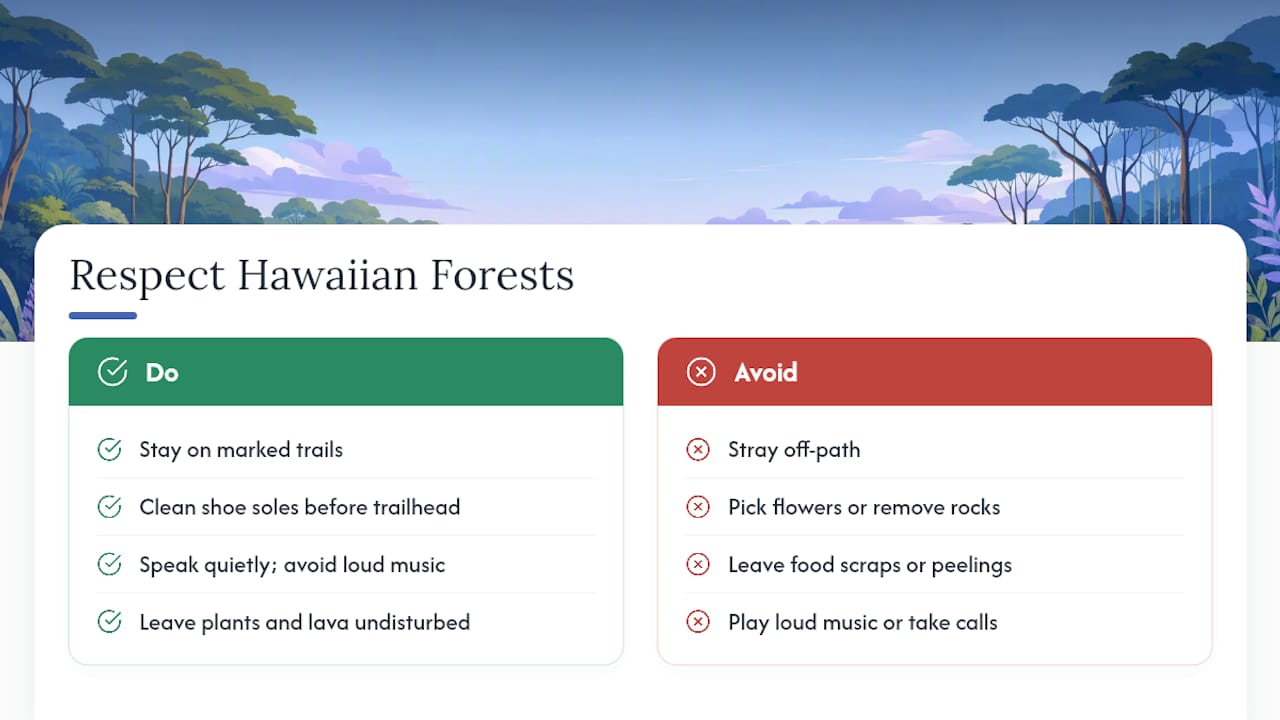
Stay on marked trails. Native plants like ohia lehua and hapuu ferns are slow-growing and easily damaged by foot traffic straying off-path, and many forest zones are actively protected from invasive species spread by hikers' shoes. Some guides will ask you to clean your soles before entering a trailhead for exactly this reason.
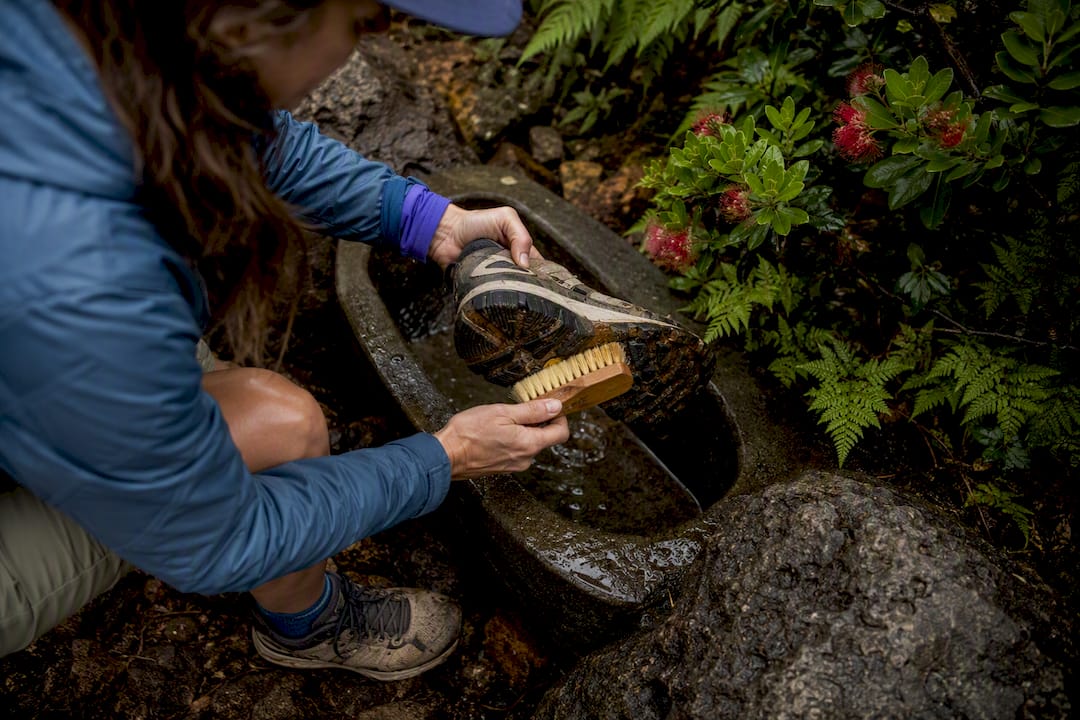
Speak quietly and avoid loud music or phone calls during the walk. Many Native Hawaiian traditions treat forests as inhabited by spirit and ancestral presence, not just biology, and a guide worth booking will explain simple ways to show respect, such as a brief moment of acknowledgment before entering the trail.
Leave everything as you found it. That means no picking flowers, no removing rocks or lava, and no leaving food scraps, even fruit peels, since they can introduce non-native seeds. Pack out what you bring in, always.
If your guide offers cultural context about the specific land you're walking, that's a good sign you've chosen well. A session that treats Hawaiian forest as generic wilderness misses something the land itself asks you to notice.
Getting Ready: Mind and Body Before You Go
The mental prep matters as much as what you pack. Forest bathing works best when you arrive without an agenda, so resist the urge to treat it like a workout or a photo opportunity. Skip screens for the last twenty minutes before your session if you can; it helps the shift into slower attention happen faster once you're on the trail.
Physically, hydrate well the day before and morning of, especially if your session includes any elevation gain, since Hawaii's heat and humidity dehydrate you faster than you'd expect. Dress in breathable layers you can add or remove, since forest microclimates shift quickly between shaded gulleys and open canopy.
A light meal beforehand works better than a heavy one. Sensory attention, one of the core practices in forest bathing, is easier on a body that isn't digesting a big lunch. If you take regular medication, bring it with you rather than leaving it at your accommodation, particularly for longer sessions.
One more thing worth doing: silence your phone entirely rather than just muting it. Practitioners who study informal mindfulness in wild settings note that stillness, not physical movement, tends to drive the biggest shifts participants report, and a buzzing pocket undercuts that stillness fast.
Pairing Forest Bathing With Other Hawaii Experiences
A single forest walk is worthwhile on its own, but plenty of travelers build it into something larger. The most common pairing is a wellness-focused overnight stay, where the forest session becomes one piece of a broader slowdown rather than a rushed excursion squeezed between flights.
Spa treatments pair naturally with forest bathing since both practices work on the same nervous-system pathway. A massage or soak after a walk tends to deepen the physical relaxation the forest session started rather than compete with it.
Cultural tours make a strong companion too, particularly ones led by Native Hawaiian guides who can deepen the context a forest-bathing guide only touches on briefly. And for travelers building out a full food-and-lodging itinerary, pairing overnight stays with intentional dining experiences extends the same slow, sensory approach from the trail to the table.
Multi-day retreat packages sometimes bundle a forest-bathing session with yoga, meditation, and spa access into one itinerary, which tends to suit travelers who want the integration benefits of a longer stay rather than a single afternoon.
Why Pairing a Forest Walk With a Restful Stay Matters
Hawaii's landscape does something most destinations can't: it gives your nervous system permission to slow down before you've consciously decided to. That's part of why the islands suit deeper relaxation so naturally, quiet air, dramatic light, forest that hasn't been paved over.
A single forest-bathing session helps, but the benefit compounds when it's followed by an unhurried night rather than a flight home. Sleep, low-stimulus evenings, and optional yoga or spa time the next morning give the nervous system time to actually integrate what the walk started.
Book your guide early, especially during peak travel months, and always confirm terrain and group size before you commit. A mismatched expectation on the trail is the easiest way to undercut an otherwise good experience.
— Nicole
Extend the Calm With a Wellness-Minded Stay on the Big Island
A forest-bathing walk gives you an hour or two of quiet. Pairing it with the right stay stretches that calm into your whole trip. Located in a peaceful setting with views of the surrounding natural beauty, the inn offers accommodations and wellness packages designed for slow, restorative travel.

Guests often schedule a guided forest walk earlier in the day, then unwind that evening in the pool, hot tub, or sauna, or add a spa treatment through wellness retreat services. The eco-friendly setting means the quiet doesn't stop when the walk ends; it carries into your room, your breakfast, and your sunset. Browse the vacation packages built around wellness travel, check current rooms, or head straight to Luana inn to check availability for your dates.
Sources
- A Systematic Review and Meta-Analysis of Nature-Based Mindfulness: Effects of Moving Mindfulness Training into an Outdoor Natural Setting
- Extension/fact-sheet material on forest therapy guides and prevalence
- What is forest therapy? — Cascadia Forest Therapy
FAQ
Is Forest Bathing Scientifically Proven?
It's supported by solid evidence rather than proven as an absolute fact. A meta-analysis found a medium effect size (g = 0.54) for nature-based mindfulness on psychological and physiological outcomes, though study designs vary in size and rigor.
What Happens During a Forest-Bathing Session?
A guide leads you through orientation, slow sensory invitations, and stillness pauses, often closing with a shared tea or grounding ritual. Sessions typically run one to two hours for public walks and longer for private or retreat formats.
Does Forest Bathing Affect Cortisol Levels?
Yes. Multiple studies associate forest bathing with reduced cortisol and increased parasympathetic activity, the biological signature of a calmer stress response.
How Much Do Forest-Bathing Guides Make?
Guide income varies widely by location, session volume, and whether they work independently or through a retreat program, and no consistent public figure exists for Hawaii specifically. Certified guides, trained through programs like ANFT, typically set their own private and group rates rather than following a fixed pay scale.
Can I Combine Forest Bathing With a Hawaii Wellness Stay?
Yes, this is one of the most common ways travelers use it. Pairing a guided walk with an overnight stay at a wellness-focused property like Luana inn, which offers spa services, yoga and meditation amenities, and a chlorine-free pool, gives the relaxation benefits more time to settle in.