
Pack a broad-spectrum mineral sunscreen with zinc oxide and/or titanium dioxide as the active ingredient, skip anything with oxybenzone or octinoxate, and bring a UPF rash guard for long water days. That combination keeps you covered under Hawaii's sunscreen laws and protects the reefs you came here to see. Statewide, Act 104 bans the sale of sunscreens containing oxybenzone or octinoxate, and Maui County goes further with a mineral-only rule for sale, distribution, and use.
Your quick packing list:
- A mineral face stick or tinted mineral SPF for daily wear, plus a water-resistant mineral lotion for the beach.
- A lightweight UPF rash guard and a wide-brim hat to cut down how much sunscreen you need in the first place.
Pro Tip: Buy travel-size mineral sunscreen before you fly if you're picky about texture or tint. Island stores stock mostly mineral formulas now, but selection for face products is still thinner than what you'll find at home.
Key Takeaways
Reef-safe sun protection in Hawaii comes down to one formula: mineral actives, generous application, and clothing that reduces how much sunscreen you need at all.
| Point | Details |
|---|---|
| Choose mineral actives | Pick zinc oxide or titanium dioxide sunscreens and skip oxybenzone and octinoxate everywhere in Hawaii. |
| Know Maui's stricter rule | Maui County's mineral-only ordinance covers use, not just sale, so pack accordingly if you're island-hopping. |
| Read the actives panel | Ignore "reef safe" front labels; verify compliance by checking the ingredient list yourself. |
| Reapply generously and often | Reapply every two hours or after swimming, regardless of the water-resistance rating on the bottle. |
| Cover up to cut sunscreen use | A UPF rash guard and hat reduce how much product you need on exposed skin. |
This article is general information, not a substitute for advice from a qualified doctor. Consult a qualified healthcare professional about your own circumstances before acting on anything here.
Table of Contents
- Hawaii's Reef-Safe Sunscreen Law: What's Banned and Where
- How to Tell if a Sunscreen Is Reef-Safe
- Do Mineral Sunscreens Actually Work in the Ocean?
- Traveler-Ready Sunscreen Picks by Use Case
- The Science Behind Hawaii's Sunscreen Restrictions
- Sources
Hawaii's Reef-Safe Sunscreen Law: What's Banned and Where
Two separate rules govern what you can buy and use in Hawaii, and they don't apply the same way everywhere. Getting them straight before you land saves you a confusing conversation at the drugstore register.
Statewide: Act 104 prohibits the sale or distribution of sunscreens containing oxybenzone or octinoxate anywhere in Hawaii. It's a retail law, not a use law. That means stores across every island stopped stocking chemical sunscreens with those two ingredients, which is why the shelves already lean mineral wherever you shop.
Maui County: Ordinance 5306 is stricter. Beginning October 1, 2022, Maui County requires mineral-only sunscreen made with zinc oxide and titanium dioxide for sale, distribution, and use within the county. If you're headed to Maui, Molokai, or Lanai, the rule follows you onto the sand, not just onto the shelf.
Common questions travelers ask:
- Can I bring sunscreen from home? Yes, but if it contains oxybenzone or octinoxate, using it on Maui violates the county ordinance even though nobody will confiscate it at the airport.
- Are sprays allowed? Legally, yes, if the formula is mineral based. Practically, sprays make it hard to apply enough product, which we'll get to shortly.
- What about prescription sunscreens? Some medically prescribed formulations are exempt, though this rarely applies to a typical vacationer's beach bag.
Enforcement mostly happens upstream, at the register, not on the beach. Tour operators running snorkel trips increasingly ask guests to show a mineral sunscreen before boarding.
Pro Tip: When in doubt, choose 100% mineral. Keep a labeled travel-size tube in your beach bag so you're never scrambling to check a label with wet, sunscreen-covered hands.
How to Tell if a Sunscreen Is Reef-Safe
Skip the front label. The active-ingredient panel on the back or side of the bottle tells you everything you need to know.
Look for: zinc oxide, titanium dioxide, or both, listed as the active ingredients. Avoid: oxybenzone and octinoxate, the two chemicals banned under Hawaii law. Many reef advocates also steer clear of octocrylene, avobenzone, and homosalate, since research on their reef effects is still developing.
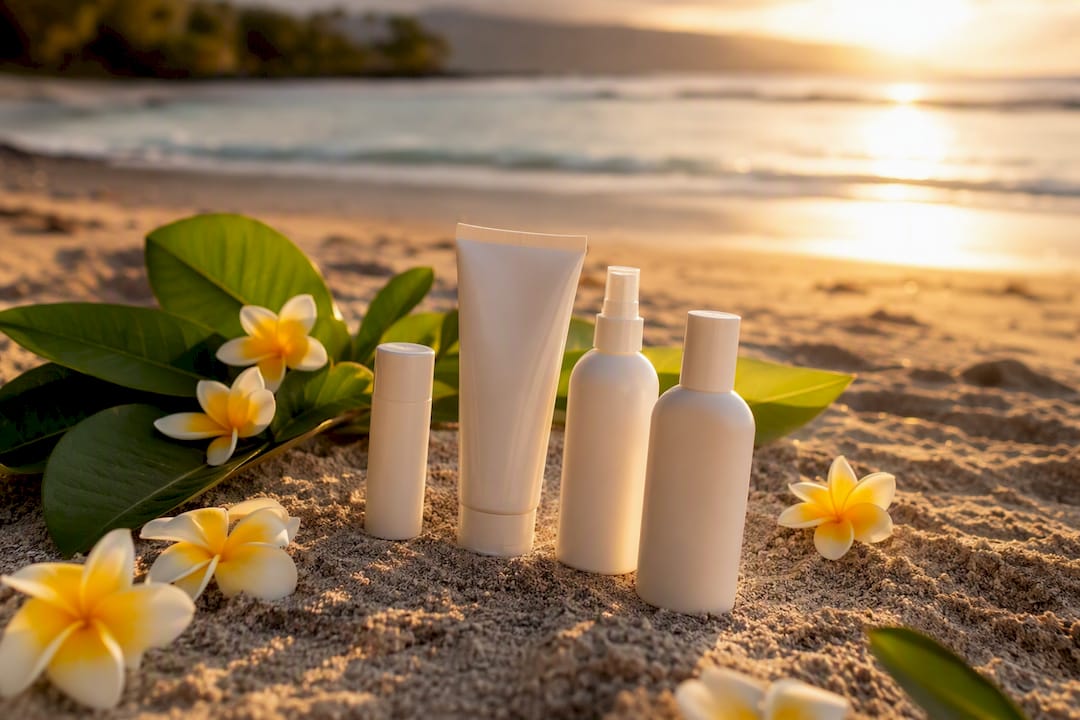
Mineral sunscreens work by sitting on top of skin and physically reflecting UV rays. Chemical sunscreens absorb into skin and convert UV radiation into heat. That difference in mechanism is exactly why mineral filters wash off more intact and why regulators focused on the chemical filters first.
To read the panel properly, flip the bottle over and find the "Active Ingredients" box, usually near the Drug Facts section required on US sunscreens. Zinc oxide and titanium dioxide will be listed with a percentage next to each. Anything else listed there is a chemical filter, so check it against the avoid list.
You'll also see "non-nano" on some labels. This refers to particle size, larger, non-nano mineral particles are less likely to be absorbed by coral tissue or marine organisms. It's a genuine precaution some travelers prefer, but it's not currently a legal requirement in Hawaii or Maui County.
Watch for marketing traps. "Reef safe" and "biodegradable" aren't regulated terms, so a bottle can print either phrase without meeting any actual standard. Verify every claim by reading the actives yourself.
Your shopping checklist:
- Broad-spectrum coverage with adequate SPF protection.
- Water resistance rated for a sufficient duration if you're swimming or snorkeling.
- Lotion or stick form over spray, for reasons covered in the next section.
Do Mineral Sunscreens Actually Work in the Ocean?
Yes, mineral sunscreens protect your skin just as effectively as chemical ones when applied correctly. The catch is that "correctly" matters more with mineral formulas because they sit on the skin's surface rather than absorbing in.
Apply generously and reapply every two hours regardless of what the water-resistance rating claims. A "water resistant (80 minutes)" label means the sunscreen was tested to hold up for 80 minutes of swimming, not that you're covered for the whole snorkel trip. Reapply immediately after toweling off, since that friction removes far more product than the water itself does.
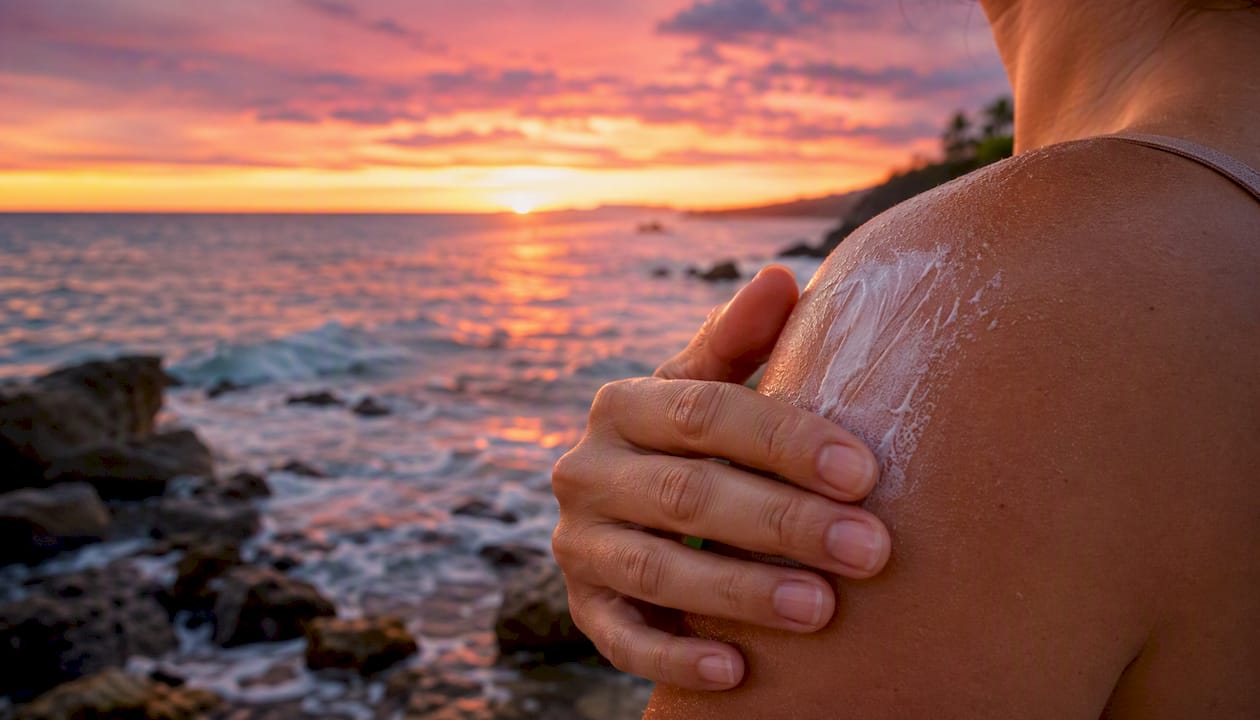
Stick with lotions or sticks rather than sprays and foams. Travel guides consistently recommend hands-on formulas over sprays because sprays make it nearly impossible to judge how much product actually landed on your skin, and overspray drifts onto sand, towels, and the water around you.
Pair sunscreen with a UPF rash guard for anything beyond an hour in the water. Less exposed skin means less sunscreen needed overall, which is the simplest reef-friendly move you can make.
Pro Tip: Apply sunscreen on land 15 minutes before you get in the water so it has time to bind to skin. Don't forget the tops of your feet, ears, and the back of your neck, spots a rash guard and hat won't cover.
Traveler-Ready Sunscreen Picks by Use Case
Not every beach day calls for the same product. Matching the sunscreen to what you're actually doing saves you money and keeps you from over-packing.
For your face: A tinted mineral stick or lightweight facial mineral SPF works best under sunglasses and doesn't feel greasy under a hat brim. Check for zinc oxide as the primary active and SPF 30 or higher. Sticks pack easily in a carry-on without triggering TSA liquid restrictions.
For your body: A water-resistant mineral lotion rated SPF 30 to 50 covers the most ground for beach days and short swims. Look for the 40 or 80 minute water-resistance rating depending on how long you'll be in the water.
For kids: An easy-apply, fragrance-free mineral stick reduces the fuss of application and lowers the chance of a sunscreen fight on the sand. Zinc oxide formulas tend to be gentler on sensitive skin, though patch-testing before the trip is still smart.
For long water days: If you're snorkeling for hours or spending a full day at the beach, pair an 80-minute water-resistant mineral lotion with a UPF rash guard. That combination cuts down on how often you need to reapply in the water.
On packing logistics, sticks and solid sunscreens sail through airport security without counting against your liquids allowance, while lotion tubes over 3.4 ounces need to go in checked luggage. A stick-plus-small-lotion combo covers most travelers without eating your carry-on space.
Since Act 104 changed retail shelves statewide, most sunscreen sold on the islands now meets the mineral-only standard, so restocking on arrival is easier than it used to be. Facial tinted formulas and specific textures are still harder to find locally, so bring your preferred product if you're particular about how sunscreen feels or looks on your face. Brands like Stream2Sea market mineral formulas built with reef-conscious testing in mind, though the ingredient panel, not the marketing copy, is what confirms compliance.
Where to Buy Reef-Safe Sunscreen in Hawaii
Airport shops, grocery and pharmacy chains, surf shops, and natural-food stores across the islands now stock mostly mineral sunscreen thanks to Act 104. Resort gift shops carry it too, usually at a markup.
If you already have a mineral sunscreen you love, especially a tinted face formula, pack it. For everything else, island shelves will cover you. A few buying habits worth keeping:
- Check the active-ingredient panel in any store, even ones marketing "island approved" or "reef safe" products.
- Choose lotion or stick over spray cans, both for compliance clarity and better application.
- A small refillable lotion pump travels well for weekend trips and cuts down on plastic waste.
The Science Behind Hawaii's Sunscreen Restrictions
Regulators didn't ban oxybenzone and octinoxate on a hunch. Laboratory research shows oxybenzone can trigger coral bleaching at very low concentrations, a threshold so small it's roughly equivalent to a few drops in an Olympic swimming pool.
That number comes from controlled lab conditions, and the science community is upfront about the gap between lab results and open-ocean reality. A National Academies review found the evidence on real-world environmental effects is mixed and called for more ecological risk assessment. Peer-reviewed research documents UV filters showing up in marine environments and affecting coral in lab settings, even as warming water and land runoff remain bigger drivers of reef stress overall.
That uncertainty is exactly why lawmakers took a precautionary approach instead of waiting for perfect field data. Pulling oxybenzone and octinoxate from shelves in heavily snorkeled, shallow reef zones reduces one variable while researchers keep studying the rest. It's a reasonable bet given what's at stake.
A Note From Luana Inn
Kealakekua Bay sits right below us, and watching visitors snorkel its reefs never gets old, but I've also watched sunscreen slicks form on calm mornings. Simple choices help: mineral sunscreen, a rash guard, and timing your swim for slightly overcast hours when you need less product overall. If you're staying nearby, our vacation packages pair naturally with a morning at the bay before the crowds and sun peak.
Sources
- NOAA repository — oxybenzone effects on coral (experimental findings)
- Mineral Only Sunscreen Maui County | Maui County, HI - Official Website
- Review of fate, exposure, and effects of sunscreens in aquatic environments and implications for sunscreen usage and human health | National Academies
- PMC article on sunscreens and aquatic environments