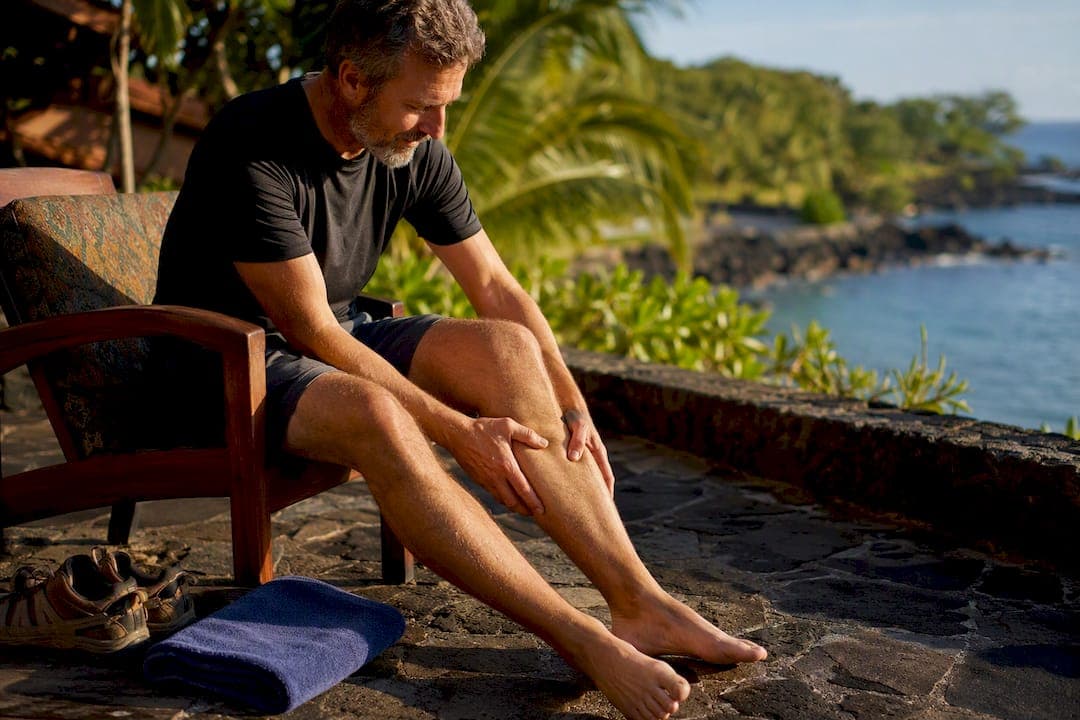
Yes, a massage after hiking is a smart move for easing sore muscles and helping you feel steady on your feet again. Research on delayed onset muscle soreness shows massage reduces perceived soreness after strenuous exercise, though it will not instantly bring back full strength. Use it alongside a proper cool down, hydration, and a foot check, and skip it entirely if anything feels seriously wrong.
TL;DR:
- Massages, especially short sports or Swedish sessions, provide the best same-day relief for sore muscles after hiking.
- Self-massage with a foam roller or ball focused on the calves, quads, hamstrings, and feet can reduce soreness and improve comfort before leaving the trail.
- Cooling down with a gentle walk, hydrating, and eating a protein-carb snack enhances recovery more than massage alone, especially within the first 48 hours.
- Avoid massages if symptoms of circulation issues or injury such as significant swelling, warmth, or open blisters are present, and seek medical advice instead.
- Combining massage with hydration, sleep, and active recovery like light movement or contrast therapy maximizes overall healing chances.
Table of Contents
- Which massage type works best right after a hike
- Simple self-massage moves you can do with your own hands
- When to cool down, refuel, and schedule your massage
- Warning signs that mean you should skip the massage
- Building massage into a full recovery routine
- Nicole's notes on sauna timing and calm recovery spaces
- Recovery sessions at Luana Inn for tired hikers
- Sources
- FAQ
Which massage type works best right after a hike
Not every style of massage belongs in your post-hike routine, and timing matters more than most hikers realize.
- Swedish or relaxation massage uses light, flowing strokes that boost circulation and feel good even a few hours after you finish the trail.
- Sports massage targets specific muscle groups with short, focused work. A 2025 trail-simulation study found that brief sports massage protocols reduced lower-limb pain and improved single-leg balance after uphill and downhill running, though it did not meaningfully improve strength or jump performance.
- Deep tissue work digs into muscle layers and can leave tired legs more inflamed if you go straight from the trailhead to the table. Save it for a rest day, once the initial soreness has settled.
- Shiatsu and Lomi Lomi offer gentler, rhythmic pressure that many hikers find calming, and both fit comfortably into a same-day recovery routine.
If you only have time for one session, a shorter sports massage or a gentle Swedish rub earns you the biggest same-day payoff. Deep tissue can wait until your muscles are no longer in the acute soreness window.
Simple self-massage moves you can do with your own hands
You do not need a therapist to get real relief. A few minutes with your hands, a foam roller, or a massage ball can take the edge off tired legs before you even leave the trailhead parking lot.
- Start with your calves and use broad, slow strokes moving upward toward the knee, staying comfortable rather than pressing into pain.
- Move to your quads and hamstrings with the same gentle, sweeping motion, spending about a minute on each muscle group.
- Roll your feet over a massage ball or a water bottle, working the arch where hikers tend to hold the most tension.
- Finish with your glutes, using a foam roller and shifting your body weight slowly rather than bouncing.
Keep pressure off bones, bruises, and visible veins, and never roll directly over a joint. Check your feet before you touch them: massage intact skin only, and leave open blisters alone until they have healed.
Pro Tip: Set a timer for 60 to 90 seconds per muscle group so you do not linger too long on one spot and miss the rest of your legs.
When to cool down, refuel, and schedule your massage
The order you do things in matters almost as much as the massage itself.
- Walk gently for five to ten minutes after you finish the trail instead of stopping cold, which helps your body cool down gradually.
- Hydrate right away and follow with a snack that combines carbohydrates and protein.
- Inspect your feet for hot spots or blisters before you do anything else with your hands or a roller.
- Follow with a light self-massage or a short professional session, ideally 10 to 15 minutes, which is enough time to noticeably ease soreness without overworking tired tissue.
- Save deeper, more aggressive massage work for a day when you are not hiking again soon.
A short easy walk before or after a massage tends to work better than sitting still, since gentle movement helps loosen stiff muscles. Just resist the urge to turn that recovery walk into another workout.
Warning signs that mean you should skip the massage
Most post-hike soreness is harmless, but a few symptoms mean you should put the massage on hold and see a doctor instead.
- One-sided calf swelling, warmth, redness, or unexplained tenderness can signal deep vein thrombosis, and Mayo Clinic advises seeking prompt medical evaluation for these symptoms.
- Sudden shortness of breath or chest pain alongside leg swelling is an emergency, not a massage appointment.
- Open blisters, fresh wounds, recent surgery sites, and suspected fractures are all off limits for massage.
Massage reduced soreness at 24, 48, and 72 hours in a review of controlled trials, according to the systematic review on massage and DOMS, which is a meaningful window for anyone planning back to back hiking days.
A good therapist will screen for medications, bleeding risk, recent surgery, clotting history, and severe osteoporosis before starting. When in doubt, describe your symptoms honestly and let a professional decide whether to modify the session or send you for a medical check instead.

Building massage into a full recovery routine
Massage works best as one piece of a bigger recovery plan rather than a stand-alone fix. The American College of Sports Medicine frames recovery as multimodal, built around active recovery, hydration, nutrition, and sleep, with massage or foam rolling as a helpful add-on.
- Same day: cool down walk, water and a balanced snack, foot check, then a short self-massage or professional session.
- Within 48 hours: prioritize sleep, keep eating enough protein, and add a gentle walk or swim rather than another hard hike.
- Pair massage with a sauna session or contrast therapy on days you have extra time, since both can complement the circulation boost massage provides.
- Give your legs at least a day of easier movement before attempting another demanding trail, since balance and coordination tend to recover before full strength does.
Pro Tip: Treat massage as the finishing touch on recovery day, not the whole plan. Hydration and sleep do more of the heavy lifting than any single treatment.
Nicole's notes on sauna timing and calm recovery spaces

At Luana Inn, guests often ask about pairing heat and touch therapies after a big hike. I usually suggest 10 to 30 minutes in the sauna before a massage, with plenty of water beforehand, since the warmth loosens tight muscles and makes the massage itself feel more effective.
A calm setting matters too. Couples who book a session together often tell us the shared experience lowers their stress as much as the physical work does. The inn offers in-room or poolside massage for guests who want that restorative pairing without leaving their retreat.
— Nicole
Recovery sessions at Luana Inn for tired hikers
If you would rather hand your sore legs to a professional, Luana Inn's spa services include massage, reflexology, and craniosacral therapy, all set against the quiet backdrop of Kealakekua Bay.

- In-room or poolside massage lets you skip the drive back from the trailhead and recover right where you are staying.
- Spa treatments pair naturally with the property's infrared sauna and hot tub for a fuller recovery afternoon.
- Wellness packages bundle multiple treatments for guests planning a longer recovery-focused stay.
Massage complements hydration, food, and rest; it does not replace them, and a night at Luana Inn gives you all four in one place. Check availability and book a massage or recovery package for your next hiking trip.
Sources
- American College of Sports Medicine — recovery guidance
- Immediate effects of sports massage on muscle strength, power and balance after simulated trail running in the cold — Springer (2025)
- Massage alleviates delayed onset muscle soreness after strenuous exercise: systematic review and meta-analysis — PubMed
- Mayo Clinic — deep vein thrombosis (DVT) symptoms and causes
FAQ
Is it okay to get a massage after hiking?
Yes, massage is generally safe after hiking and can ease perceived muscle soreness, according to a systematic review on massage and DOMS. Skip it if you notice one-sided leg swelling, warmth, or unexplained pain, since those can signal a circulation problem that needs medical attention first.
How can I recover my muscles after a long hike?
Start with a gentle cool-down walk, hydrate, and eat a snack with both carbohydrates and protein. Follow with a foot check and light self-massage or a short professional session, then prioritize sleep and easier movement over the next day or two.
Is it better to walk before or after a massage?
A short, easy walk both before and after massage tends to help more than staying still, since gentle movement supports cool-down and reduces stiffness afterward. Just keep the walk light so it does not turn into another workout on top of your hike.
Why do hikers use Vaseline?
Hikers use Vaseline, or petroleum jelly, on their feet to cut down on friction and help prevent hot spots and blisters before they form. It only works on intact skin as part of a broader plan that includes proper footwear and moisture management, not as a treatment for blisters that have already opened.