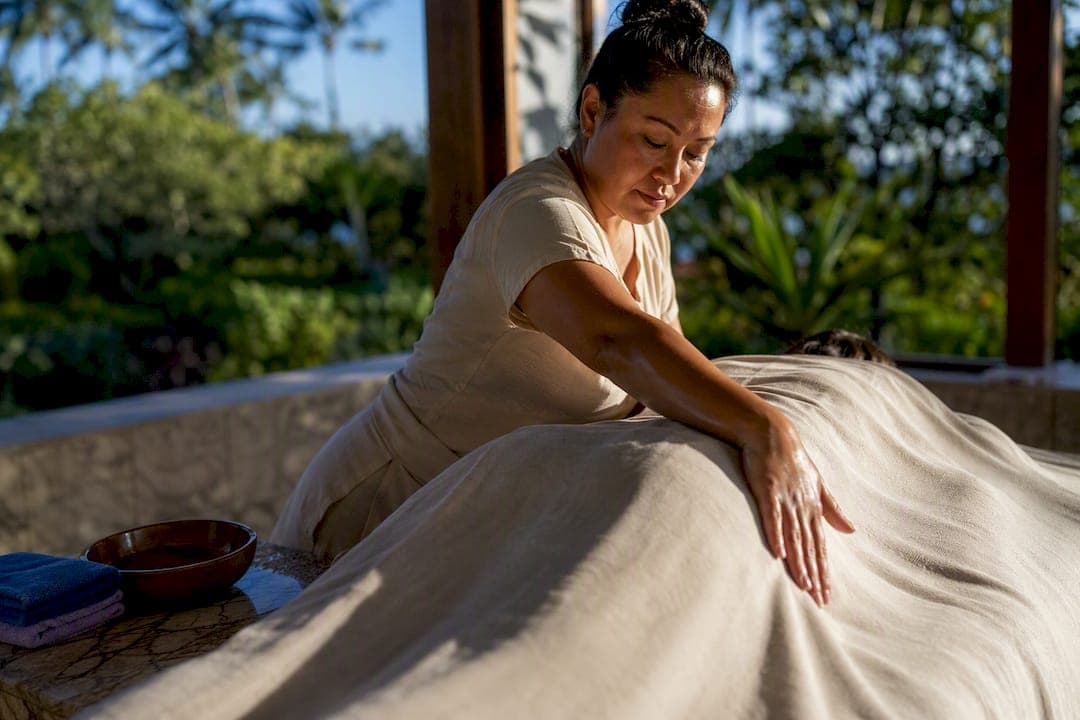
Lomi lomi massage delivers three core benefits: deep nervous-system relaxation, improved circulation and lymphatic flow, and genuine emotional or spiritual release. Its continuous forearm strokes set it apart from other bodywork, and practitioners report the calm it creates can linger for up to three days after the session ends.
TL;DR:
- Lomi lomi's continuous forearm strokes promote longer-lasting relaxation by preventing muscles from bracing, especially compared to shorter massages like Swedish or deep tissue.
- The technique's focus on flowing, connected movements enhances circulation, lymphatic flow, and fascia release across larger muscle groups for improved physical recovery.
- The spiritual and emotional benefits, including emotional release and mental clarity, stem from its rhythm, intention setting, and the emphasis on nurturing life force, or mana.
- To maximize physical and emotional results, booking 90-minute sessions and integrating quiet recovery activities like stretching or meditation afterward are recommended.
- Always verify a practitioner's training lineage, as traditional Hawaiian styles can vary significantly, impacting the session's depth and safety.
Table of Contents
- What Is Lomi Lomi Massage, and How Is It Different?
- Physical Benefits: Circulation, Fascia, and Flexibility
- Mental, Emotional, and Spiritual Benefits of Lomi Lomi
- What to Expect During a Lomi Lomi Session
- How to Prepare for and Recover From a Lomi Lomi Session
- Contraindications and When to Skip or Modify Lomi Lomi
- The Luana Inn Approach to Restorative Bodywork
- An Honest Take on What Lomi Lomi Actually Delivers
- Sources
- FAQ
What Is Lomi Lomi Massage, and How Is It Different?
Lomi lomi traces back to traditional Hawaiian and broader Polynesian healing lineages, where it was practiced within families and passed down by specific teachers rather than taught as a standardized spa technique. That lineage still shapes how it feels today. Regional styles vary by island and by family tradition, which is why two lomi lomi sessions can feel noticeably different depending on who trained the practitioner.
The signature move is a long, flowing forearm or palm stroke that rolls through the body in a continuous, almost wave-like rhythm. Instead of working one tight shoulder or one sore calf in isolation, the therapist connects those areas into a single sweeping motion that runs the length of the body.
That continuity changes how your nervous system responds. When strokes never fully stop, your muscles cannot brace in anticipation of the next touch, the way they often do during shorter, choppier strokes in a Swedish massage. Comparing lomi lomi versus deep tissue work, the difference is even starker. Deep tissue targets specific knots with sustained pressure; lomi lomi spreads that pressure across broader fascial lines, which is part of why so many people describe it as calming rather than intense.
Physical Benefits: Circulation, Fascia, and Flexibility
The long strokes in lomi lomi massage move blood and lymph in ways that shorter, localized techniques often miss. Continuous forearm pressure pushes fluid along larger muscle groups, and that sustained movement helps flush metabolic waste while feeding oxygen-rich blood to tired tissue.
Fascia, the connective webbing wrapped around your muscles, responds well to this style, too. Because lomi lomi treats the body as connected lines rather than isolated trouble spots, it releases tension that has spread across a wider area, not just the one muscle that hurts.
Reported physical outcomes include:
- Greater range of motion in the shoulders, hips, and neck
- Noticeably lower resting muscle tension after the session
- Faster recovery from everyday physical strain, including travel stiffness
- Reduced tension headaches tied to upper back and neck tightness
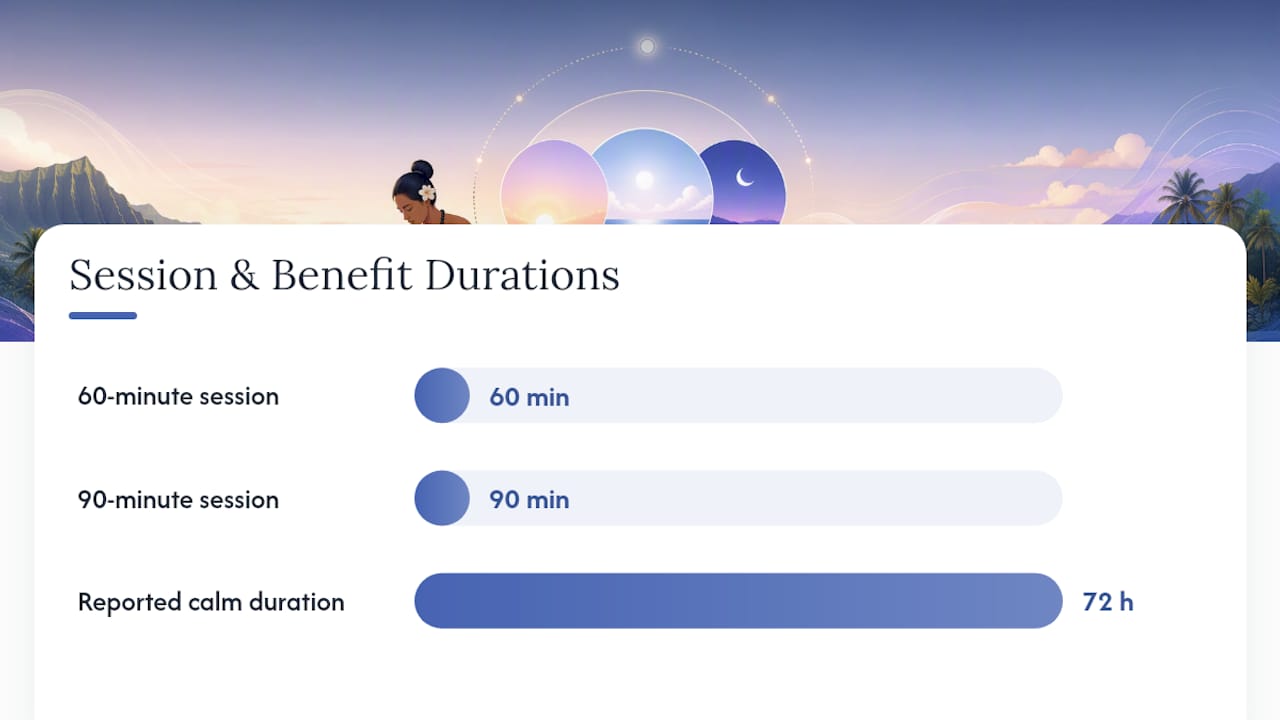
Reported duration: Practitioners and researchers writing in the Massage Therapy Journal note that the relaxed, "calm euphoria" state many clients reach can persist for up to three days, largely credited to the circulatory and lymphatic stimulation built into the technique.
Pro Tip: If your main goal is physical relief rather than emotional release, book a 90-minute session rather than 60. Lomi lomi's benefits build cumulatively through the flow, and the extra 30 minutes gives circulation and fascia more time to respond.
Mental, Emotional, and Spiritual Benefits of Lomi Lomi
Lomi lomi's steady, unbroken rhythm shifts your body out of fight-or-flight and into rest-and-digest mode, what's often called parasympathetic activation. Once your nervous system settles into that state, many people describe slipping into something close to a meditative flow, where the mind stops tracking each individual stroke and simply follows the movement.
That shift sometimes surfaces emotion that muscle tension had been holding in place. Practitioners treat this as a normal, even welcome, part of the process rather than something to interrupt. Traditional practice frames the work as reverence and compassion aimed at restoring what Kumu Brenda Ignacio describes as mana, a concept tied to life force and spiritual balance rather than pure muscle mechanics.
Practitioners often begin sessions in stillness, setting an intention before a single stroke happens, which helps align both people in the room and creates the emotional safety that makes release possible.
Beyond that in-session experience, people commonly report:
- Deeper, more restorative sleep in the nights following a session
- A more stable, less reactive mood for several days afterward
- Mental clarity and a reduced sense of mental clutter
- A felt sense of balance that outlasts the physical soreness relief
What to Expect During a Lomi Lomi Session
A typical session moves through three phases, and knowing them ahead of time helps you settle in rather than wonder what comes next.
- Opening stillness. The practitioner often pauses at the start, sometimes with a breath or brief intention setting, before any touch begins.
- The flowing sequence. Long forearm and palm strokes move continuously across connected areas of the body, sometimes incorporating stones or sticks to vary pressure and texture.
- The close. Strokes gradually slow and lighten, easing you back to full awareness rather than ending abruptly.
Draping norms vary by practitioner and by how traditionally the session is taught, since some lineages use minimal draping to allow uninterrupted full-body strokes. That does not mean lomi lomi is an intimate massage in any sexual sense; it means the flowing technique sometimes requires more coverage flexibility than a standard Swedish session. A reputable practitioner will always explain draping before you begin and adjust based on your comfort. Expect intensity that ranges from feather light to firm, plus occasional emotional responses like sighing, tearing up, or unexpected memories surfacing mid-session.
How to Prepare for and Recover From a Lomi Lomi Session
A little preparation goes a long way toward getting the full benefit of a lomi lomi massage.
Before your session:
- Drink plenty of water in the hours leading up to your appointment
- Share any relevant health history, injuries, or areas of sensitivity with your practitioner
- Wear loose, comfortable clothing to and from the appointment
- Take a moment to set a simple intention for the session, even just "I want to relax"
Afterward, keep hydrating, since the lymphatic stimulation from the massage benefits from extra fluid to help flush waste. Rest when you can, move gently rather than jumping into intense exercise, and consider jotting a few notes if emotions surfaced during the session. For lasting change, space sessions roughly every two to four weeks rather than treating lomi lomi as a one-time fix.
Pro Tip: Pair your session with 10 minutes of quiet stretching or mindful breathing that evening. It extends the parasympathetic calm the massage created instead of letting a stressful commute cancel it out.

Contraindications and When to Skip or Modify Lomi Lomi
Lomi lomi is generally gentle, but it is not right for every situation. Skip or modify the session, and talk to a healthcare provider first, if you have:
- Recent surgery or unhealed wounds in the treatment area
- An active infection, fever, or contagious illness
- Acute inflammation, sprains, or fresh injuries
- A known blood clot or elevated clot risk, including certain circulatory conditions
- Pregnancy complications that haven't been cleared for bodywork
If any of these apply loosely rather than fully, a trained practitioner can often adapt with lighter pressure or a partial session focused only on safe areas. Because lomi lomi varies significantly by family and island lineage, it's worth asking any practitioner directly where they trained and how long their program was. Short weekend certifications and generational training produce very different sessions, and a practitioner who respects the tradition will be glad to explain their background.
The Luana Inn Approach to Restorative Bodywork
A great lomi lomi session doesn't end when the strokes stop. The setting afterward matters just as much, which is why we built our spa offerings around the idea that recovery deserves as much attention as the treatment itself.
At Luana inn, guests can follow a session with quiet time by the pool, a soak in the hot tub, or a stretch in the sauna, each one supporting the same circulation and relaxation goals lomi lomi sets in motion. Overlooking Kealakekua Bay, the property's ocean healing experiences give guests a natural extension of that calm, whether that's watching the sunset or simply sitting with the quiet.
A few ways guests commonly extend the benefits of a wellness stay here:
- Pairing a spa treatment with an early, unhurried farm-to-table breakfast the next morning
- Following bodywork with gentle yoga or meditation time before the day's plans begin
- Booking a multi-night stay so the cumulative relaxation has room to build
If you're planning the trip around a longer wellness reset, our packages combine lodging with spa access, and travelers weighing how to budget the time off might find the wellness travel planning guidance from Gift a Trip useful for thinking through the logistics.
An Honest Take on What Lomi Lomi Actually Delivers
Most of what gets written about lomi lomi either leans entirely into the spiritual language or strips it out completely and reduces the practice to circulation and fascia. Both miss the point. The research and practitioner accounts here support a middle read: the physiological effects, better blood flow, fascial release, parasympathetic calm, are real and measurable in how people feel for days afterward. But the intention-setting and cultural framing aren't decoration on top of the technique. They appear to be part of why the continuous, unhurried rhythm works as well as it does, giving the nervous system permission to stop bracing.
Where conventional advice falls short is treating lomi lomi as interchangeable with any other relaxation massage. It isn't. If you're chasing whole-body nervous-system release rather than targeted knot removal, this is a genuinely different tool, not a fancier version of a Swedish massage. Prioritize finding a practitioner who can speak honestly about their training lineage over one who simply offers the lowest price. That single choice affects the experience more than anything else on this list.
— Nicole
Sources
- Hawaiian-style massage | Massage Therapy Journal (AMTA)
- Lomilomi Hawaiian massage | Massage & Bodywork (Massage Magazine)
- Lomilomi massage — Wikipedia
FAQ
What Body Areas Should a Massage Therapist Avoid?
Reputable practitioners avoid direct pressure on the front of the neck, the eyes, the spine itself, active wounds or surgical sites, and areas with a known blood clot risk, adjusting technique around these regardless of massage style.
What Is the Difference Between Deep Tissue and Lomi Lomi Massage?
Deep tissue massage uses sustained, targeted pressure to work out specific muscle knots, while lomi lomi uses continuous, flowing forearm strokes across connected body lines, producing a broader, more whole-body sense of release.
Is Lomi Lomi an Intimate Massage?
No. Lomi lomi is not a sexual or intimate massage; it's a traditional Hawaiian bodywork practice, though its flowing, full-body strokes may require more draping flexibility than a standard spa massage, always with your consent.
Is Lomi Lomi Massage Undraped?
Draping varies by practitioner and training lineage, since some traditional styles use minimal draping to allow uninterrupted strokes, but any qualified therapist will discuss draping preferences with you before the session begins.