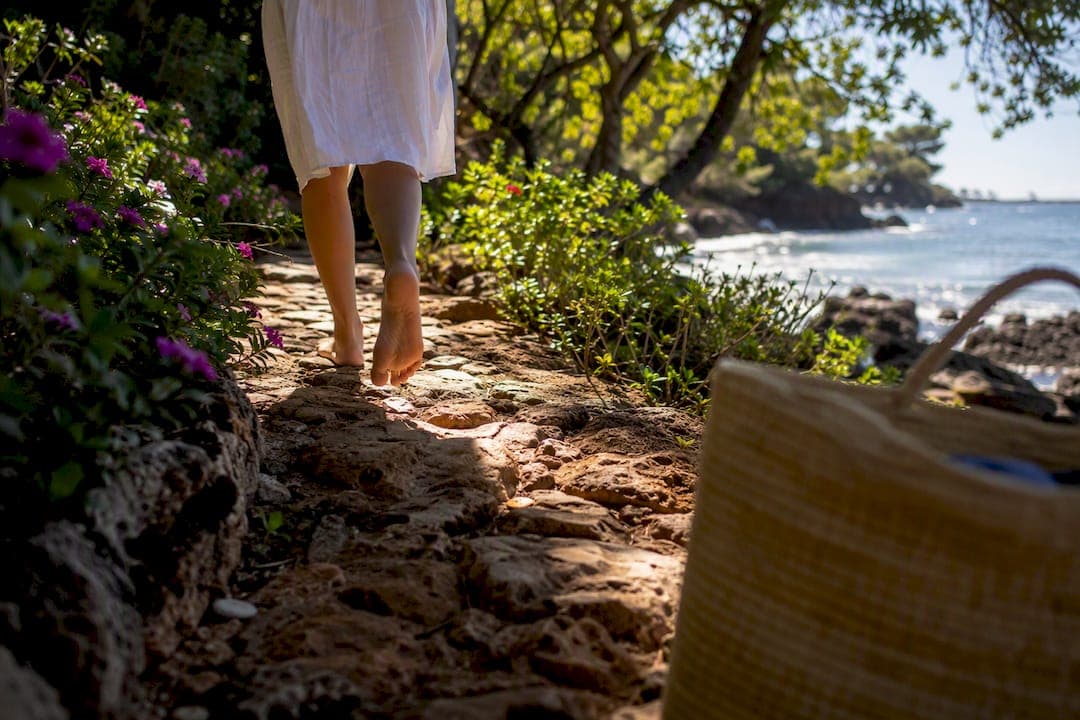
Six main types of nature immersion wellness practices exist: forest bathing (immersive, sensory-guided time in woodland), horticultural or therapeutic gardening, green exercise (movement done outdoors rather than indoors), wilderness and adventure therapy programs, blue-space interventions near water, and animal-assisted or care-farming practices. If you want a fast stress reset, a 20- to 30-minute mindful walk in a local park works. If you're after a mood or immune lift, a guided forest therapy session is the better bet. If you want something closer to structured therapy or skill-building, horticultural or wilderness programs go deeper.
The research on nature immersion backs this up with measurable numbers, not just good vibes. Session length and frequency both matter, and even brief exposure changes how your body responds to stress.
- Forest bathing / forest therapy: guided or solo sensory immersion in woodland
- Horticultural therapy: hands-on gardening, often in community or clinical settings
- Green exercise: walking, yoga, tai chi, or running done outdoors
- Wilderness and adventure therapy: structured, often multi-day programs
- Blue-space and animal-assisted interventions: water-based and animal-involved practices
A 20-minute nature break can measurably lower cortisol, and that number is worth remembering the next time you think you don't have time for a walk.
Key Takeaways
Nature immersion works best when the practice type, duration, and setting are matched to a specific goal, and consistency over days outperforms any single session.
| Point | Details |
|---|---|
| Six core practice types | Forest bathing, horticultural therapy, green exercise, wilderness therapy, blue-space, and animal-assisted interventions each work through different mechanisms. |
| Short sessions still count | A 20 to 30 minute nature break can measurably lower cortisol, even without a full guided walk. |
| Guided sessions add structure | Guided forest therapy walks typically run 2 to 4 hours and follow a set sensory sequence for deeper effect. |
| Match practice to goal | Quick stress relief calls for a short local walk; lasting change calls for repeated weekly practice or a multi-day retreat. |
| Watch for individual risk factors | Trauma history, mobility limits, and weather conditions should shape which practice and intensity you choose. |
Key Studies, Reviews, and Practitioner Resources
- A Guide to Nature Immersion: Psychological and Physiological Benefits — trial data comparing guided and unguided nature immersion on mood and nature connectedness.
- Nature-based interventions: a systematic review of reviews — a 2025 taxonomy of 13 nature-intervention categories and 11 moderating factors.
- Nature therapy FAQ from Osher UCSF — clinical guidance on guided forest therapy structure and session duration.
- A 20-minute nature break relieves stress — Harvard Health summary of cortisol and immune-marker research tied to brief nature exposure.
- The Association of Nature and Forest Therapy Guides trains and certifies forest therapy practitioners and is a reasonable starting point for finding a guided walk near you.
Table of Contents
- Understanding the Types of Nature Immersion Wellness Practices
- Forest Bathing and Guided Forest Therapy: How It Works
- Horticultural Therapy: Gardening as a Wellness Practice
- Green Exercise: Moving Your Workout Outdoors
- Wilderness and Adventure Therapy Programs
- Blue-Space and Animal-Assisted Practices
- Emerging Practices: Virtual Nature, Night Walks, and Creative Rituals
- Matching the Practice to the Person: Who Benefits and What to Watch For
- Three Starter Routines You Can Use This Week
- How a Retreat Setting Deepens These Practices
- Ready to Put This Into Practice?
- What This Typology Gets Right, and Where It Falls Short
- Frequently Asked Questions
- Sources
Understanding the Types of Nature Immersion Wellness Practices
Researchers sort nature-based interventions along two lines: how active the participant is, and whether nature is the main focus or just the backdrop. Get this map in your head and picking a practice stops feeling like guesswork.
Active vs. passive describes how much you're doing versus how much you're simply present. Sitting quietly at a "sit spot" during a guided forest walk is passive. Digging garden beds or scrambling over a wilderness trail is active. Neither is superior. Passive practices tend to calm the nervous system faster; active ones build fitness and confidence alongside the mental health payoff.
Primary vs. secondary nature focus asks whether nature is the point of the activity or just where it happens to occur. Forest bathing has a primary nature focus, since the entire practice centers on sensory attention to the woods. Outdoor yoga has more of a secondary focus. The yoga practice itself would work indoors; the outdoor setting adds a layer of benefit without being the reason for doing it.
Here's how the major practice types map onto that matrix:
- Forest bathing — passive, primary nature focus
- Horticultural therapy — active, primary nature focus
- Green exercise (yoga, walking, tai chi) — active, secondary nature focus
- Wilderness therapy — active, primary nature focus, often with a strong social/group component
- Blue-space interventions — can be passive (shoreline sitting) or active (swimming), typically primary focus
- Animal-assisted interventions — variable activity level, focus shared between animal and setting
A systematic review of reviews published by Frontiers in 2025 catalogued 13 categories of nature-based interventions and identified 11 factors that moderate how well they work. Duration and frequency top that list, but so do less obvious variables: how connected a person already feels to nature before starting, and whether they're doing the activity alone or with others. A hike that feels restorative solo might feel like a chore in a large group, and vice versa. That's not a flaw in the research. It's a reminder that "nature is good for you" is a starting point, not the whole answer.
Forest Bathing and Guided Forest Therapy: How It Works
Forest bathing, known as shinrin-yoku in its original Japanese context, means spending unhurried time among trees with full sensory attention rather than a destination in mind. Forest therapy is the more structured cousin: a guided version led by a trained facilitator who walks a small group through a specific sequence designed to deepen the experience.
The difference matters more than it sounds like it should. Unguided forest bathing is just slow, phone-free walking with your senses turned up. Guided forest therapy adds intentional prompts, called "invitations," that push you past surface-level noticing into something closer to meditation.
A typical guided walk follows this sequence:
- Opening or gratitude practice — a brief moment to set intention and arrive mentally
- Sensory invitations — prompts like "notice what's in motion" or "find what's breathing," designed to slow perception
- What's in motion — an invitation to track subtle movement (leaves, insects, light) that most people walk past
- Sit spot — extended stillness in one chosen location, often 15 to 20 minutes
- Closing ceremony or tea — many guides end with a shared tea made from foraged or local plants
Guided walks like this typically run 2 to 4 hours, a duration confirmed by the Osher Center's clinical nature therapy guidance. That's a real time commitment, and it's fair to ask whether shorter sessions still count. They do. Research on brief exposure shows a 20-minute nature break produces a measurable cortisol drop, and three consecutive days of nature time has been linked to longer-lasting immune shifts, including changes in natural killer cell activity. You don't need the full four hours to get something real out of this.
Trial data comparing guided and unguided immersion found both improved mood and nature connectedness, though heart rate didn't always shift in the unguided groups the way it did with structured facilitation. That gap suggests the guiding itself, not just the setting, does some of the work.
Pro Tip: Leave the phone in your bag, not your pocket. Practitioner protocols consistently list "no phone, no music" as a core parameter, and even a silenced phone in your pocket keeps part of your attention tethered to the wrong world.
If you want to try an unguided version, block off 20 to 40 minutes in any wooded area, even a small urban grove. Walk at half your normal pace. Pick three sensory prompts: what do you hear that isn't traffic, what's the temperature difference between sun and shade, what's moving that you'd normally miss. Some practitioner literature also mentions removing your shoes for a few minutes of direct ground contact, sometimes called earthing, as an added layer of sensory grounding, though the evidence base for that specific piece is thinner than for the walk itself.
Horticultural Therapy: Gardening as a Wellness Practice
Horticultural therapy uses structured gardening tasks, planting, weeding, harvesting, potting, as a clinical or semi-clinical tool for mental health, physical rehabilitation, or skill-building. It happens in community gardens, therapeutic farms, hospital courtyards, and dedicated clinic-linked programs, and the tasks themselves rarely look different from ordinary gardening. What changes is the intention and structure behind them.
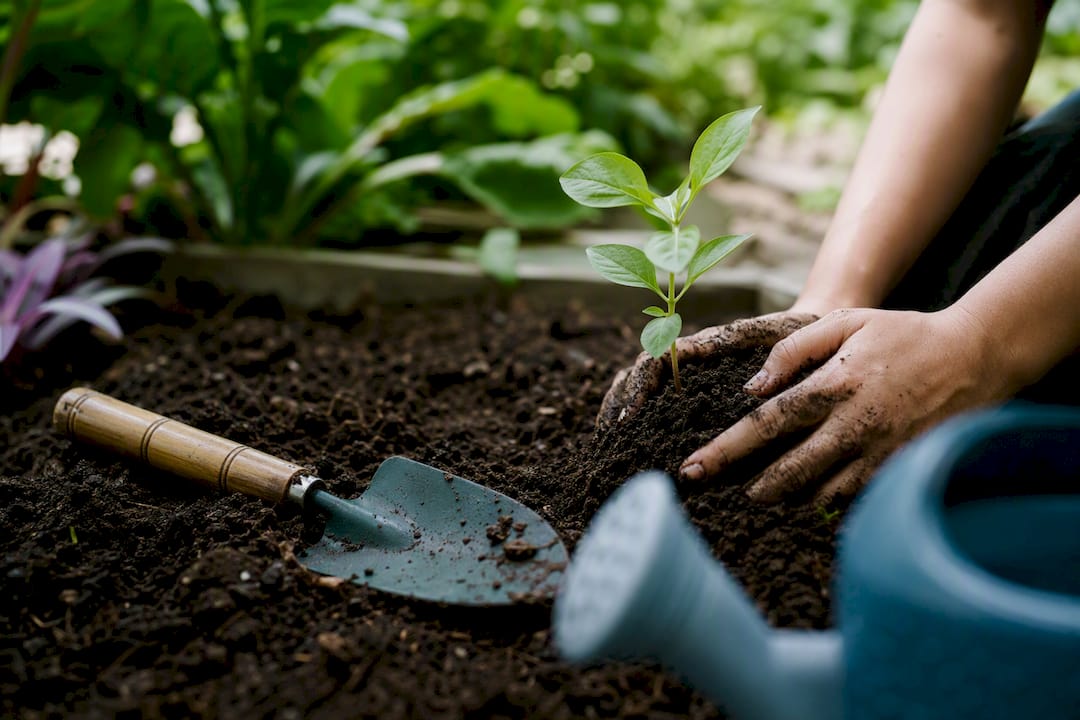
A typical session might include soil preparation, seed starting, transplanting, or simple harvest work, often broken into short, repeatable tasks that build a sense of accomplishment over weeks rather than one sitting. Programs tied to rehabilitation clinics sometimes fold in occupational therapy goals, using pot-lifting or trowel work to rebuild fine motor skills alongside the psychological benefits.
Reviews of horticultural therapy point to a consistent pattern: participants show gains in engagement and mood, along with practical skill acquisition that carries over after the program ends. That last part is worth sitting with. A guided forest walk gives you an afternoon of calm. A season of garden work gives you calm plus a tangible skill and, often, a harvest.
You don't need a clinical referral to get a version of this benefit. A few low-barrier entry points:
- Start small with containers. A few pots of herbs or tomatoes on a balcony deliver the same task-based engagement as a full garden bed, just at a smaller scale.
- Volunteer at a community garden. Most cities have shared plots that welcome new volunteers with no experience required.
- Look for certified horticultural therapy programs through hospitals or rehabilitation centers if you're managing a specific health condition and want professional oversight.
- Track your own outcomes informally. Note your mood before and after a session; the pattern tends to show up faster than you'd expect.
Access to green space doesn't need to be dramatic to work. Research from the University of Utah found that even a small local green space, even a modest garden area, can be as effective as a larger natural area, provided the person is fully present and disconnected from their phone. A balcony garden with your attention on it beats a national park scrolled through half-distracted.
Green Exercise: Moving Your Workout Outdoors
Green exercise means physical activity performed in a natural setting: walking, running, yoga, tai chi, cycling, or any movement practice you'd otherwise do on a treadmill or studio floor. The key distinction from forest bathing is which element is primary. In green exercise, the movement is the point; nature is the backdrop that changes how the movement feels and what it delivers.

That backdrop turns out to matter more than most gym-goers assume. Comparisons between outdoor and indoor versions of the same activity generally find outdoor sessions produce better mood improvements and lower perceived effort for the same physical output, alongside the usual cardiovascular gains you'd expect from any aerobic activity. Cognitive benefits, sharper attention and reduced mental fatigue, also show up more reliably outdoors, likely tied to the same "soft focus" effect that makes forest walks restorative.
Here's how to build a session around your available time and fitness level:
- 20 minutes, low intensity: A brisk walk on a nearby trail, park loop, or even a tree-lined street. Good for a midday reset.
- 30 minutes, moderate intensity: Outdoor yoga or tai chi in a park, or a jog on a soft-surface trail instead of pavement.
- 45 minutes, higher intensity: Trail running or a longer hike with elevation change, ideally somewhere with varied terrain to keep attention engaged.
Accessibility matters here too. Trail terrain isn't always joint-friendly, and uneven footing raises fall risk for anyone with balance concerns or vision impairment. If mobility is a factor, flat paved park loops or accessible garden trails deliver most of the same mood and cognitive benefits without the terrain risk.
Wilderness and Adventure Therapy Programs
Wilderness and adventure therapy sits at the higher-intensity, higher-structure end of the nature-immersion spectrum. These are formal programs, usually multi-day, that combine outdoor challenge activities (backpacking, rock climbing, whitewater rafting, ropes courses) with structured group or individual therapy sessions led by licensed clinicians.
Programs typically fall into a few formats: therapeutic wilderness expeditions for adolescents, often used as an alternative or complement to residential treatment; adventure-based group therapy for adults working through trauma or addiction; and shorter challenge-course programs used in corporate or educational settings for team-building rather than clinical treatment. The clinical versions tend to target specific groups, adolescents with behavioral or emotional struggles, and adults referred through mental health or substance-use treatment pathways, and review evidence suggests these programs work best when the therapeutic component, not just the outdoor challenge, is well-integrated into the schedule.
Because the risk profile is higher than a walk in the woods, quality checks matter more here. Before enrolling yourself or a family member, look for:
- Licensed clinical staff on-site, not just outdoor guides with wilderness certifications
- Documented emergency protocols for medical incidents in remote settings
- Outcome tracking the program can actually show you, not just testimonials
- A program length matched to the goal, since a weekend challenge course serves a different purpose than a 30-day therapeutic expedition
Cost runs high for accredited programs, physical fitness demands can exclude people with certain health conditions, and family involvement, especially for adolescent programs, is often a requirement rather than an option. These programs suit people who need a structured reset, not a casual outing, and the intensity that makes them effective is the same intensity that makes vetting the provider non-negotiable.
Blue-Space and Animal-Assisted Practices
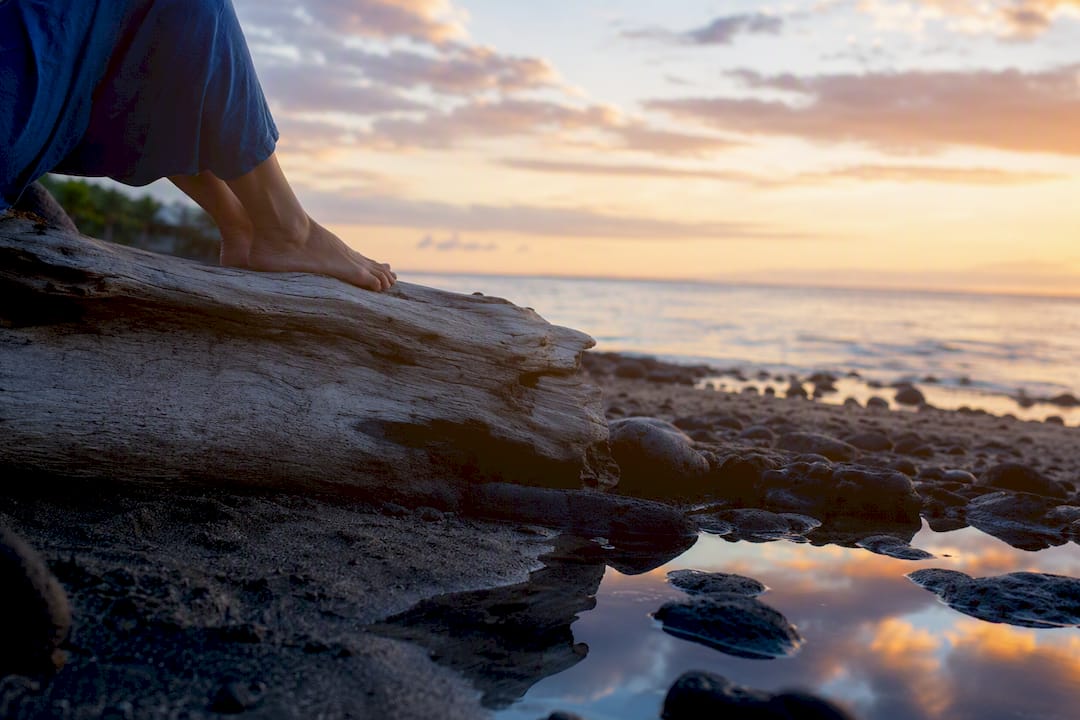
Water changes the sensory equation. The sound of waves or a running stream, the visual pull of a horizon line, and a rhythmic quality to tides or current all seem to entrain attention differently than a forest canopy does. Blue-space practices, shoreline walks, mindful swimming, sitting near a lake or stream, and even boating when the water itself is treated as the point of focus rather than a backdrop for another activity, tap into that distinct restorative pathway.
Animal-assisted interventions work through a separate mechanism entirely: social bonding and co-regulation with another living creature. Formal programs, sometimes called care farming when they combine animal contact with agricultural work, use structured time with horses, dogs, or farm animals as a therapeutic tool, distinct from the casual mood lift of petting a dog at a park. The formal versions typically involve trained handlers and specific therapeutic goals, while casual animal exposure is more of a pleasant bonus than a designed intervention.
Both categories carry safety considerations that are easy to overlook in the pursuit of relaxation:
- Tides and water conditions should be checked before shoreline or swimming sessions, particularly in unfamiliar locations
- Animal vaccination status and behavior history matter for any structured animal-assisted program, especially with unfamiliar animals
- Allergy risk applies to both animal dander and certain plant life near water and farm settings
- Cold water shock is a real risk for mindful swimming in cooler climates or seasons, even for confident swimmers
Neither blue-space nor animal-assisted practices require a formal program to deliver some benefit. A slow walk along a shoreline, phone away, attention on the water, borrows the same core mechanism as a guided session. The formal versions simply add structure, professional guidance, and, in clinical settings, measurable outcome tracking.
Emerging Practices: Virtual Nature, Night Walks, and Creative Rituals
A newer set of practices sits at the edges of the typology, either because the technology is still catching up or because the format is genuinely novel. Virtual and simulated nature, VR forest scenes, ambient nature soundscapes, and nature documentaries played at high resolution show promise for people with limited mobility or no outdoor access, but the Frontiers review-of-reviews is clear that virtual formats can't currently replicate the full multisensory input of real forest bathing. Screen-based nature is a supplement, not a substitute, and the research base for it is still developing.
Night-time or "dark nature" practices, stargazing, nocturnal walks, moonlit sits, occupy an interesting niche. They strip away visual stimulation and shift attention toward sound and the sensation of darkness itself, which some practitioners argue produces a different flavor of calm than daytime immersion, though the formal evidence here is thinner than for daylight practices.
Creative-ritual formats round out this category: sound healing sessions held outdoors, herbal blending workshops using foraged plants, and nature journaling groups. These blend the sensory focus of forest bathing with a structured creative output, and they tend to appeal to people who find pure stillness harder to access than an activity with a tangible product at the end.
Treat all three of these as supplements for days when full access to real nature isn't possible, a rainy week, a business trip, limited mobility, rather than a replacement for the multisensory practices earlier in this list.
Matching the Practice to the Person: Who Benefits and What to Watch For
Not every practice suits every person, and the research is specific about why. Several factors consistently moderate outcomes across the review literature: session duration and frequency, whether the activity happens alone or in a group, how motivated the participant actually is going in, and age. Older adults and younger participants sometimes respond differently to the same intervention, and someone who already feels a strong connection to nature tends to get more out of a session than someone approaching it skeptically.
Symptom severity matters too. A person managing mild everyday stress and a person navigating a diagnosed anxiety disorder are not the same audience, even though both might be handed the same "go take a walk in the woods" advice.
A few precautions worth knowing before you commit to a practice:
- PTSD and trauma history: unstructured wilderness settings can occasionally trigger hypervigilance in people with trauma histories; guided, predictable settings tend to be a gentler entry point
- Mobility limits: trail-based practices should be swapped for flat, accessible paths or garden-based alternatives when joint or balance issues are a factor
- Weather and altitude: heat, cold, and elevation gain all raise physical risk and should shape which practice and duration you choose
- Motivation mismatch: a highly active person forced into passive sit-spot practice, or vice versa, is less likely to stick with it
Pro Tip: Match the practice to your actual goal, not the one that sounds most impressive. A quick stress reset calls for 20 minutes and a park bench. Lasting therapeutic change calls for weeks of consistency, not one dramatic outing.
If your goal is a fast reset, pick the lowest-friction option available in the next hour. If you're after deeper change, pick something you can repeat weekly for at least a month, since the benefits tied to nature connectedness and immune function build with repetition, not intensity.
Three Starter Routines You Can Use This Week
Pick the routine that matches your available time, not the one that sounds most ambitious.
-
The 20-minute park reset. Find any green space within walking distance. Leave your phone on silent in your bag. Walk slowly for the first 5 minutes, then find a bench or patch of grass and sit for 10, focusing on three sounds and one smell you notice. Close with a 5-minute slow walk back. Rate your stress on a 1 to 10 scale before and after; most people see a noticeable drop even at this short length.
-
The 40-minute backyard or garden practice. If you have any outdoor space, a yard, balcony, community garden plot, spend 10 minutes on a simple task: weeding, watering, repotting. Follow with 15 minutes of unstructured sensory attention, sitting still and noticing texture, light, and sound. Close with a 5-minute journal entry answering one prompt: "What did I notice today that I usually miss?" Track this over two weeks if you can; the pattern of improved mood tends to become clearer by day 10.
-
The half-day guided immersion checklist. Book or organize a guided forest therapy walk running 2 to 4 hours. Wear layered clothing suited to changing temperatures, bring water, and check the trail for tick or wildlife advisories beforehand. Follow the guide's sequence: opening intention, sensory invitations, sit spot, closing tea or reflection. Afterward, note your mood on the same 1 to 10 scale you used for the shorter routines, plus one sentence describing what felt different about the extended format.
For any of these, a basic heart-rate check before and after (a phone app is fine) is optional but useful if you're curious whether the calm you feel matches a measurable physiological shift. None of these routines require special gear, a subscription, or a coach. They require time, a willingness to put the phone away, and a location with some green or blue space, however modest.
How a Retreat Setting Deepens These Practices
A single guided walk or garden session delivers real benefit, but a retreat environment stacks several practices together over consecutive days, and that stacking is where deeper recovery tends to happen. Luana inn, set in the foothills of Mauna Loa mountain overlooking Kealakekua Bay, offers exactly that kind of layered setting: peaceful accommodations, a chlorine-free pool, an infrared sauna, and dedicated space for yoga and meditation, all built into a property designed around rest rather than sightseeing.
The rural setting itself carries a documented advantage. Sleep quality, reduced sensory overload, and consistent access to green and blue space all compound when you're not driving home to a city apartment between sessions, which is a large part of why multi-day retreat formats tend to outperform single-session outings for lasting change.
What a retreat structure adds beyond any single practice:
- Overnight rest built into the schedule, so recovery isn't squeezed into a lunch break
- Curated pacing that mixes active practices (a garden walk, a hike toward the bay) with passive ones (sauna, spa treatments) across a stay
- Complementary spa and wellness amenities that extend the same restorative mechanisms, warmth, stillness, sensory care, into the evening hours
- A farm-to-table breakfast and eco-friendly property design that keeps the nature-immersion theme consistent rather than confined to one activity block
That consistency, more than any single amenity, is what separates a weekend trip from a genuine reset.
Ready to Put This Into Practice?
Reading about forest bathing and green exercise is one thing. Waking up to the sound of waves at Kealakekua Bay and stepping straight into a guided practice before breakfast is another. If you're ready to move past the 20-minute park routine into something more immersive, Luana inn's vacation packages blend guided outdoor time with the kind of unhurried, overnight setting that the research suggests actually sticks. Browse the available rooms and see which stay length fits the recovery you're after.
What This Typology Gets Right, and Where It Falls Short
The strongest case this research makes isn't for any single practice. It's for matching dosage to goal, and most popular advice skips that step entirely. "Go outside more" is true but useless as guidance, since a 20-minute park sit and a four-day wilderness program solve different problems and demand different levels of commitment.
Where conventional wellness content falls short is treating forest bathing as the default answer for everyone. It's excellent for a passive, primary-nature-focus reset, but someone craving structure, skill-building, or social engagement is better served by horticultural or green exercise formats. The Frontiers review's own list of moderating factors, motivation and social context especially, gets buried under generic "nature is healing" messaging far too often.
If you take one thing from this typology, prioritize frequency over intensity. A short walk repeated four times a week will likely outperform one dramatic outing repeated never.
Frequently Asked Questions
What are the main types of nature immersion wellness practices? The core categories are forest bathing and guided forest therapy, horticultural or therapeutic gardening, green exercise, wilderness and adventure therapy, blue-space interventions, and animal-assisted interventions. Each works through a somewhat different mechanism, from sensory immersion to social bonding to physical exertion.
How long does a nature immersion session need to be to help? Sessions as short as 20 minutes can measurably lower stress hormones, while guided forest therapy walks typically run 2 to 4 hours for a fuller effect. Longer or repeated exposure, especially across consecutive days, tends to produce more durable benefits.
What's the difference between forest bathing and forest therapy? Forest bathing is unstructured, sensory-focused time in a wooded setting, often done solo. Forest therapy is the guided version, led by a trained facilitator through a specific sequence of sensory invitations and closing rituals.
Is virtual or simulated nature a good substitute for the real thing? It helps with accessibility for people who can't easily reach outdoor spaces, but current evidence suggests virtual formats can't fully replicate the multisensory input of real forest immersion. Treat it as a supplement, not a replacement.
Who should avoid certain nature immersion practices? People with trauma histories may find unstructured wilderness settings triggering and often do better with guided, predictable formats. Mobility limitations call for flat, accessible settings over trail-based practices, and weather or altitude conditions should always shape practice choice.
Sources
- A Guide to Nature Immersion: Psychological and Physiological Benefits (PMC/MDPI)
- Nature-based interventions: a systematic review of reviews (Frontiers, 2025)
- Nature therapy FAQ (Osher UCSF)
- A 20-minute nature break relieves stress (Harvard Health)