
What makes a panoramic ocean view different from a standard one?
A panoramic ocean view is a wide, unobstructed vista of the sea horizon, typically achieved through elevated positioning or thoughtful architectural design. Where a standard ocean view might offer a sliver of blue between buildings or a partially framed glimpse from a lower floor, a true panoramic sea view sweeps broadly across the horizon with little to nothing blocking your sightline.
The word "panoramic" is primarily a marketing term in lodging. It describes the breadth and quality of what you see, not the size of the room you're sleeping in. A panoramic designation may simply mean larger windows or a better angle rather than any extra square footage.
Common features that earn the panoramic label include:
- High-floor or elevated room placement
- Corner room layouts with windows on two sides
- Floor-to-ceiling or oversized window designs
- Balcony or terrace access facing open water
- Unobstructed topography with no buildings or trees in the sightline
Pro Tip: Always request actual guest photos or a floor plan before booking. Property photos are often taken with wide-angle lenses that make views look broader than they are in person.
How location and design shape the view you actually get
Elevation is the single biggest factor in a genuine ocean panorama. Cliffside and hilltop properties naturally command wider sightlines because surrounding structures and vegetation sit below the viewing level. A 70-meter cliff viewpoint, for example, delivers the kind of depth and breadth that a ground-floor beachfront room simply cannot replicate.
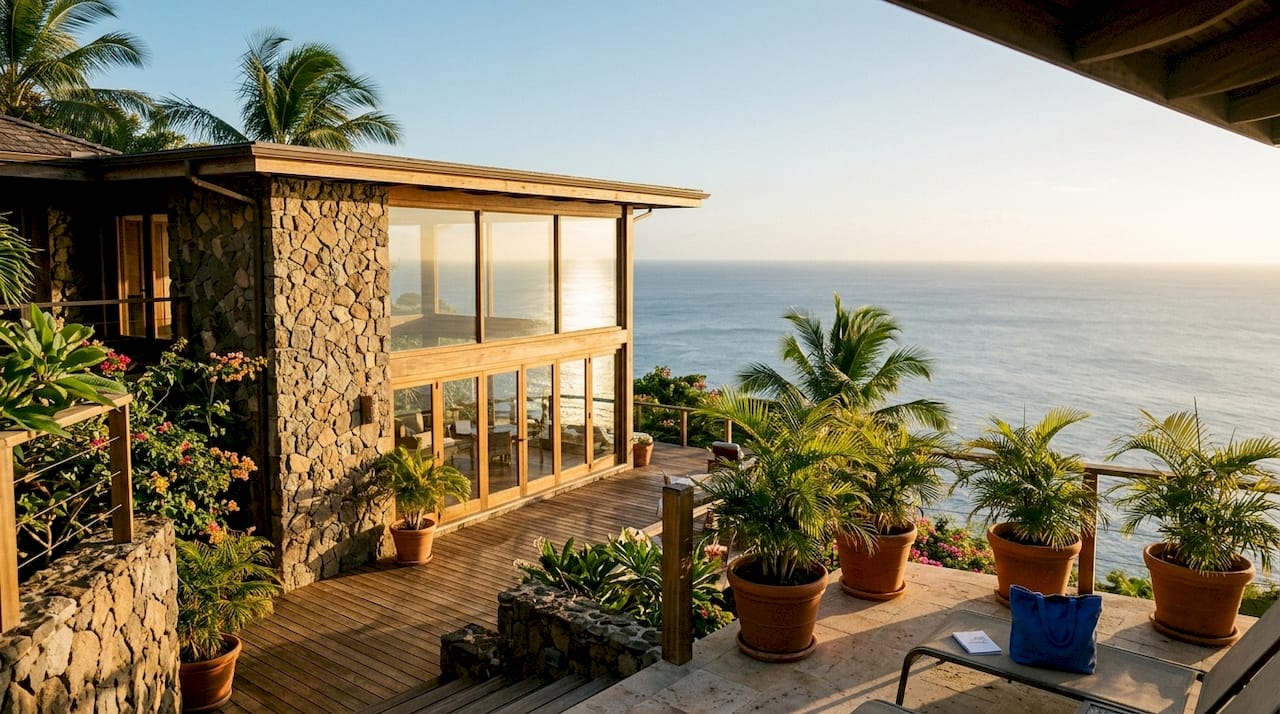
Architectural choices matter just as much. Corner rooms expose two exterior walls to the view, effectively doubling the angle of visible horizon. Floor-to-ceiling windows remove the visual interruption of a standard sill, letting the ocean fill your entire field of vision from bed to ceiling.
Key structural and location features associated with genuine panoramic views:
- Property sits on elevated terrain above surrounding structures
- Room faces the open ocean rather than a courtyard or parking area
- Windows span most of the wall height and width
- Balcony or terrace extends the viewing space outdoors
- No adjacent buildings, trees, or hillsides cutting the sightline
The foothills lodging advantage is real: properties built into hillsides above the coastline often deliver the most consistent, unobstructed ocean horizons because the elevation is built into the land itself.
When is the best time to soak up a panoramic ocean vista?
Late afternoon and sunset are the gold standard for ocean panorama experiences. The best panoramic views happen during these hours when sky and water reflections amplify color, depth, and drama in ways that midday light simply cannot match.
Seasonal conditions also shift the quality of what you see. Clearer atmospheric conditions in drier months tend to sharpen the horizon line and deepen ocean color. Calm ocean states create mirror-like reflections, while dramatic cloud formations add texture and scale to the panorama.
Best times and conditions for ocean-view appreciation:
- Late afternoon, roughly one to two hours before sunset
- Early morning for soft pastel light and calm water
- After rainfall, when the air clears and colors intensify
- Calm wind days when the ocean surface reflects the sky
- Seasonal dry periods for maximum atmospheric clarity
How to verify panoramic view claims before you book
The hospitality industry has no standardized definition for "panoramic," so the term's meaning varies widely from property to property. Some listings use it to describe a minor angle advantage; others genuinely deliver a sweeping, unobstructed horizon. Knowing how to tell the difference saves real disappointment.
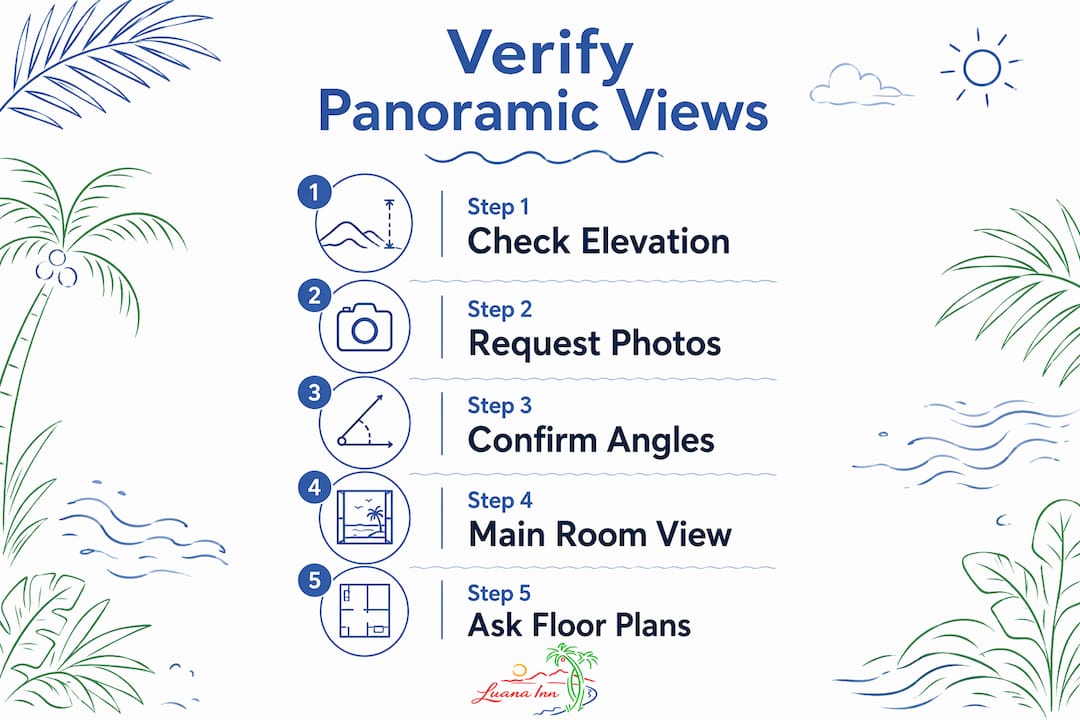
Travel insiders recommend asking specific questions about room orientation and checking real guest photos as the most reliable way to confirm what you're getting. Contact the property directly and ask which direction the room faces, how high the floor is, and whether any structures obstruct the ocean sightline.
Step-by-step verification checklist:
- Search recent guest reviews specifically mentioning the view
- Look for unedited guest photos on travel review platforms
- Ask staff directly: "What percentage of the ocean horizon is visible from the room?"
- Confirm whether the view is visible from the bed, not just the balcony
- Request the room number or building map if available
Pro Tip: Ask the property to confirm the view is visible from the main living space or bed. A panoramic balcony view is lovely, but waking up to the ocean from your pillow is a completely different experience.
Experiencing authentic panoramic ocean views at Luana inn
Luana inn sits in the foothills of Mauna Loa, overlooking Kealakekua Bay on Hawaii's Big Island. The elevated hillside position places guests above the surrounding landscape, delivering the kind of wide, unobstructed ocean horizon that the panoramic label genuinely promises.
"The Napo'opo'o road location offers ever-changing breathtaking sunsets, refreshing pastel-colored sunrises over the mountain, and rainbows for the dreamer." — Luana inn
The natural scenery shifts throughout the day. Mornings bring soft pastel light over the mountain behind you; evenings paint the bay in deep golds and oranges. Rainbows appear regularly, arching over the water in a way that feels almost too good to be real.
Key features of the panoramic experience at Luana inn:
- Elevated foothills location above Kealakekua Bay
- Unobstructed ocean horizon visible from guest accommodations
- Daily sunsets, pastel sunrises, and frequent rainbow sightings
- Peaceful, unhurried setting ideal for long, slow mornings with a view
- Full photo gallery available online for visual verification before booking
How to read common ocean view marketing terms
Lodging listings use a handful of recurring phrases that sound impressive but carry different meanings depending on the property. Knowing what each term typically signals helps you book with confidence.
| Term | What it usually means |
|---|---|
| Ocean view | Some portion of the ocean is visible, but may be partial or angled |
| Ocean front | The building sits directly on the water's edge |
| Panoramic ocean view | Wide, sweeping vista with minimal obstruction, often from elevation |
| Partial ocean view | Ocean is visible but significantly framed or limited |
| Panoramic sea view | Same as panoramic ocean view; used interchangeably in most listings |
"Ocean front" tells you about proximity; "panoramic" tells you about breadth. A ground-floor ocean-front room can have a narrower view than a hilltop room a quarter mile from the shore. Always read both terms together, and verify with photos.
Key Takeaways
A panoramic ocean view means a wide, unobstructed sea horizon, best delivered by elevated locations, corner rooms, and large windows rather than by room size alone.
| Point | Details |
|---|---|
| Panoramic is a marketing term | It describes view breadth and quality, not room size or proximity to the water. |
| Elevation drives the experience | Hilltop and cliffside properties consistently deliver wider, less obstructed ocean horizons. |
| Timing transforms the view | Late afternoon and sunset light amplify color and depth far beyond midday conditions. |
| Verify before you book | Ask about room orientation, floor level, and request real guest photos to confirm the view. |
| Luana inn delivers the real thing | Its Mauna Loa foothills location above Kealakekua Bay offers a genuinely wide, unobstructed ocean panorama. |