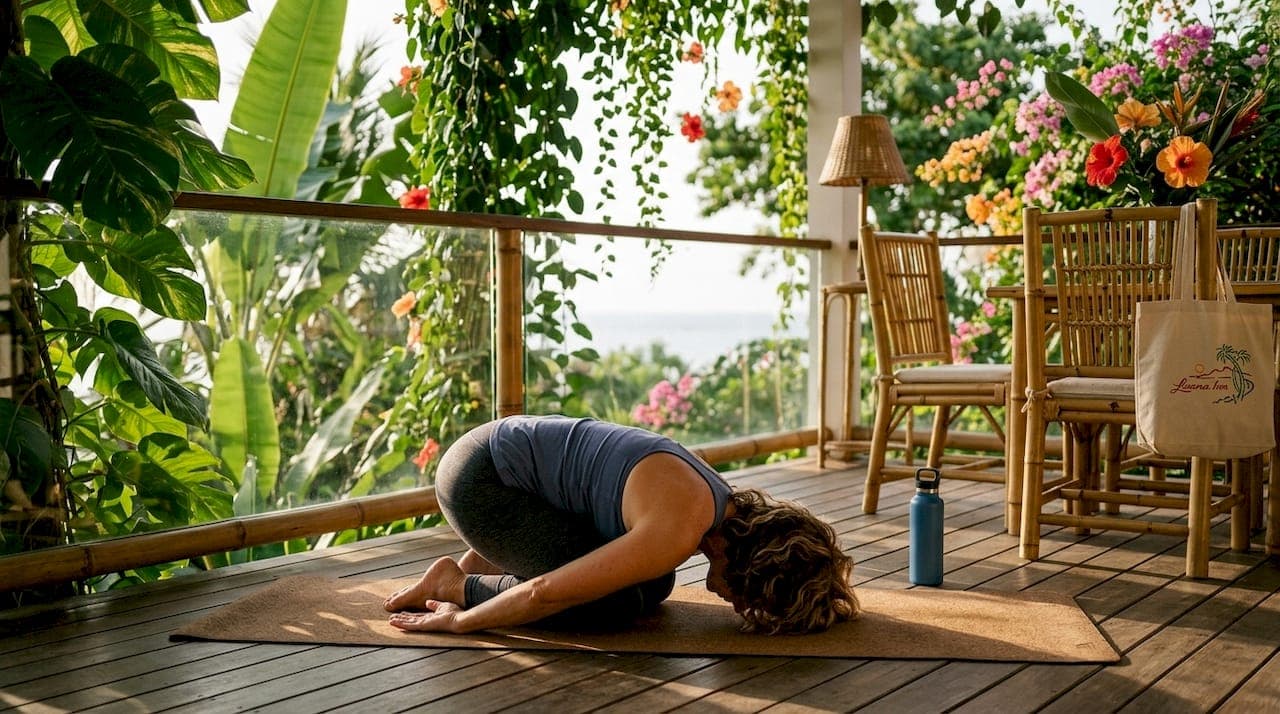
An eco retreat experience is a structured stay that combines restorative wellness practices with active environmental stewardship, giving you deep rest while reducing your footprint on the planet. Unlike a standard resort vacation, an eco-friendly retreat weaves sustainability into every detail: renewable energy and local food sourcing, zero-waste policies, and nature-centered activities that reconnect you with the world outside your window. The result is a green travel option that feels genuinely good, both for your body and for the places you visit. Whether you are new to eco-conscious travel or a seasoned sustainable traveler, understanding what sets these experiences apart helps you choose one that truly matches your values.
What is an eco retreat experience, and what defines it?
An eco retreat experience is defined by two equal commitments: your personal renewal and the health of the surrounding environment. Most people assume "eco" just means a rustic cabin with no Wi-Fi. The reality is far more considered. Top-tier eco retreats run solar-hybrid energy systems that cover 60–100% of their power needs and use zero-waste composting to feed on-site food gardens. That level of infrastructure requires real investment and planning, which is why the best eco retreats feel intentional rather than improvised.
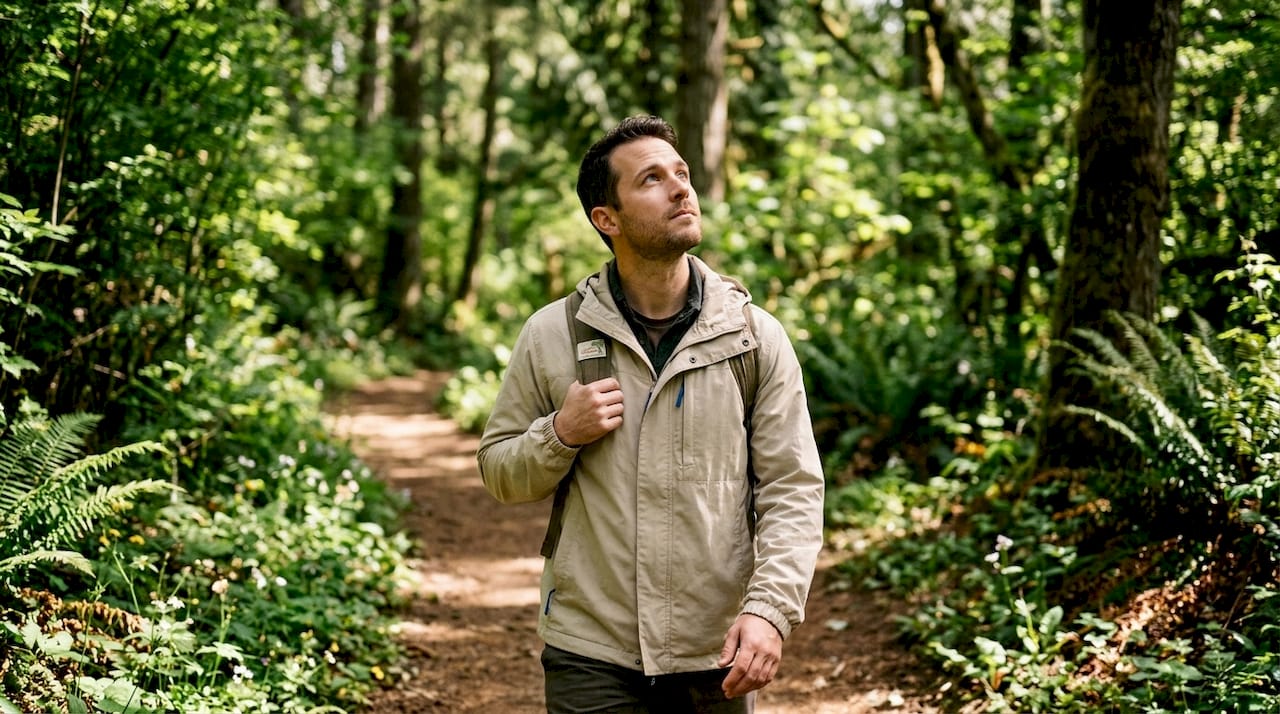
The industry term you will hear alongside "eco retreat" is regenerative travel. Where traditional eco-tourism focused on doing less harm, regenerative travel aims to leave a place better than you found it. An eco retreat sits at the intersection of both: it minimizes your negative impact while actively contributing to local ecosystems and communities. For travelers, that means your stay funds something real, whether that is a reforestation project, a local school, or a conservation research program.
The wellness side of the eco retreat definition is equally specific. Sessions like forest bathing, yoga, sound healing, and cold plunges are not add-ons. They are core to the wellness menu at serious eco lodges, designed to reset your nervous system through direct contact with nature. You can explore how these principles connect to broader sustainable accommodation standards if you want a fuller picture before you book.
What are the common features and activities at an eco retreat?
A typical day at an eco retreat follows natural rhythms rather than a packed schedule. You wake with the light, join a morning yoga or meditation session, spend midday on a guided nature walk or forest bathing experience, and wind down with a reflective group dinner. Many retreats cap capacity at 24 guests to protect the local ecosystem and keep the atmosphere personal. That small group size is one of the clearest signals that a retreat takes its eco credentials seriously.
The physical infrastructure backs up the experience. Common sustainability features include:
- Solar-hybrid power systems covering the majority of daily energy needs
- Water conservation measures such as rainwater harvesting and greywater recycling
- Zero-waste kitchens with composting programs that feed on-site gardens
- Chemical-free pools using UV filtration instead of chlorine
- Natural ventilation design that replaces air conditioning with passive cooling
Activities go well beyond yoga. Forest bathing, which is the Japanese practice known as shinrin-yoku, involves slow, mindful walks through wooded areas. Nature exposure lowers stress hormones by 12–15% and measurably improves immune function compared to urban environments. That is not marketing language. It is a documented physiological response to time spent among trees and open air.
Pro Tip: Book a retreat that lists its guest-to-staff ratio. A ratio of 1:1 or better signals genuine personalized care, not just a wellness-branded hotel.
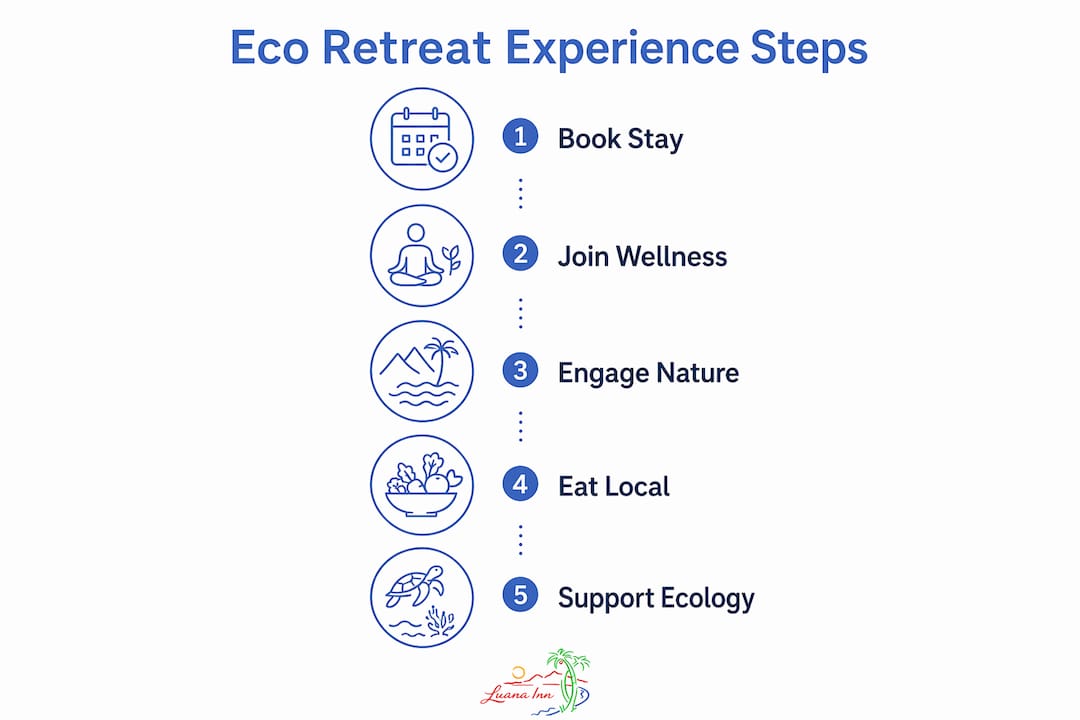
How do modern eco retreats go beyond sustainability to regenerative travel?
The most significant shift in eco retreats over the past decade is the move from harm reduction to active restoration. Early eco-tourism asked guests to use less water and skip the daily towel change. Modern regenerative travel asks something bigger: can your stay make this place healthier?
Some eco retreat models achieve 100% local hiring with fair wages and have supported more than 100 individuals through local education and housing programs. That is not a side project. It is built into the retreat's operating model. When you pay for your stay, a portion directly funds these initiatives. Regenerative retreats also invest in:
- Reforestation projects on degraded land surrounding the property
- Scientific research partnerships with local universities or conservation groups
- Community food programs using surplus from on-site gardens
- Wildlife corridor protection tied to the retreat's land management
The distinction between eco-tourism and regenerative travel matters for how you evaluate a retreat's claims. Eco-tourism says "we cause minimal harm." Regenerative travel says "we create measurable positive impact." Ask any retreat you consider which category they fall into, and ask for specific examples.
"The shift is not just philosophical. Retreats that fund reforestation and local education are building the case that hospitality can be a net positive force for ecosystems and communities, not just a neutral one."
This evolution also changes what the guest experience feels like. You are not just a visitor consuming a place. You are a participant in its ongoing health. That sense of contribution adds a layer of meaning to the stay that a standard resort simply cannot replicate.
What does "eco-luxury" mean, and how do eco retreats blend comfort with sustainability?
Eco-luxury is defined as privacy, stillness, and unspoiled nature rather than extravagant excess. The misconception that eco retreats mean roughing it is one of the most persistent myths in sustainable travel. Many eco retreats blend high-end design with carbon-neutral operations, proving that comfort and sustainability are not opposites.
The table below shows how conventional hotel amenities compare to their eco-luxury equivalents:
| Conventional Hotel Feature | Eco-Luxury Equivalent |
|---|---|
| Air conditioning | Passive cooling and natural ventilation |
| Chlorinated pool | Chemical-free pool with UV filtration |
| Imported menu items | Seasonal, locally sourced or on-site grown produce |
| Grid electricity | Solar-hybrid power systems |
| Single-use toiletries | Refillable, plant-based personal care products |
Natural ventilation and UV filtration replace air conditioning and chemicals in many eco retreats. These are not compromises. They are design choices that often produce a more comfortable environment, with fresher air and cleaner water than their conventional counterparts.
Food is where eco-luxury becomes most tangible. Menus adapt daily to what is ripe, sourced entirely from local or on-site gardens. You get a less predictable but far more authentic dining experience. A plate of just-harvested greens with local fish tastes different from anything a commercial kitchen can produce, and that difference is part of what you are paying for.
Pro Tip: If a retreat's menu looks identical every day of the week, it is not sourcing locally. Genuine eco retreats have menus that change with the season and the harvest.
What should travelers know before booking an eco retreat?
Setting the right expectations before you arrive makes the difference between a frustrating stay and a genuinely restorative one. Eco retreats operate differently from conventional hotels, and those differences are features, not flaws.
- Expect intentional limits on connectivity. Many retreats limit Wi-Fi to common areas or remove it entirely. This is a deliberate design choice to support disconnection and mental rest, not a budget shortcut.
- Plan your energy use around daylight. Solar-reliant accommodations work best when guests spread hot water use and device charging across daylight hours. Stacking all your energy needs into the evening strains the system.
- Embrace seasonal menus. What you eat depends on what is growing. Some days the garden produces abundance. Other days the menu is simpler. Both are part of the experience.
- Choose based on your wellness goals. A retreat focused on silent meditation suits a different traveler than one built around active hiking and cold-water therapy. Read the daily program carefully before booking.
- Ask about the retreat's community commitments. Retreats that fund local conservation or education programs give your stay a purpose beyond personal relaxation. That added dimension is worth seeking out.
You can also browse restorative travel experiences to compare eco retreats with other nature-based formats before you commit. Knowing the full range of options helps you find the right fit for where you are in life right now.
Key Takeaways
An eco retreat experience delivers personal restoration and active environmental benefit at the same time, making it one of the most purposeful forms of travel available today.
| Point | Details |
|---|---|
| Core definition | An eco retreat combines wellness practices with environmental stewardship in one structured stay. |
| Sustainability infrastructure | Top retreats use solar-hybrid power, zero-waste kitchens, and chemical-free water systems. |
| Regenerative impact | The best retreats fund local hiring, reforestation, and community education directly from guest revenue. |
| Eco-luxury reality | Comfort and sustainability coexist through passive cooling, UV pools, and seasonal local menus. |
| Practical preparation | Expect limited connectivity, solar-dependent power, and variable menus tied to seasonal harvests. |
Why eco retreats changed how I think about rest
I used to think a good vacation meant maximum comfort and zero obligations. Then I spent a week at a small eco retreat on a working farm, and something shifted. The absence of a packed schedule was not boring. It was clarifying. By day three, I was sleeping better than I had in months, not because the bed was exceptional, but because the environment had stopped demanding anything from me.
What surprised me most was how much the sustainability practices added to the experience rather than subtracting from it. Eating food pulled from a garden that morning, knowing the staff were all from the surrounding community, watching the solar panels quietly power the whole property. None of that felt like sacrifice. It felt like coherence. Everything around me was working in the same direction.
The regenerative travel model is the part I find most compelling now. The idea that your presence can actively improve a place rather than just pass through it changes the emotional weight of travel. You leave with something more than photographs. You leave knowing your stay contributed to something ongoing.
If you are on the fence about whether an eco retreat is "worth it" compared to a standard resort, I would ask you to reframe the question. The better question is what kind of traveler you want to be, and what kind of rest actually restores you.
— Nicole
Experience the Big Island from Luana inn
Luana inn sits in the foothills of Mauna Loa, overlooking Kealakekua Bay on Hawaii's Big Island. The location puts you in direct contact with one of the most ecologically rich coastlines in the Pacific, with ever-changing sunsets, pastel mountain sunrises, and the kind of quiet that genuinely resets your nervous system.

Luana inn offers wellness packages that pair comfortable, eco-conscious accommodations with the natural rhythms of the island. Whether you want to spend your mornings watching the bay from the hillside or your evenings gazing at the stars above Mauna Loa, this is a place built for genuine rest. Browse the rooms and amenities and see how a stay at Luana inn fits your next eco-conscious vacation.
FAQ
What is the eco retreat definition in simple terms?
An eco retreat is a structured stay that combines wellness activities with sustainable living practices, designed to restore the guest while minimizing environmental impact.
What should I expect at an eco retreat?
Expect morning wellness sessions, nature-based activities like forest bathing or hiking, seasonal locally sourced meals, limited internet access, and solar-powered accommodations that encourage mindful energy use.
What are the main benefits of eco retreats?
Nature exposure at eco retreats lowers stress hormones and improves immune function, while the structured, distraction-free environment supports deeper rest than most urban vacations can provide.
How do I choose an eco retreat that matches my values?
Look for retreats that publish specific sustainability practices, employ local staff, source food from on-site or nearby farms, and fund conservation or community programs directly from guest revenue.
Is an eco retreat the same as eco-tourism?
Not exactly. Eco-tourism focuses on minimizing harm during travel, while an eco retreat goes further by actively funding local conservation and community restoration as part of its core operating model.