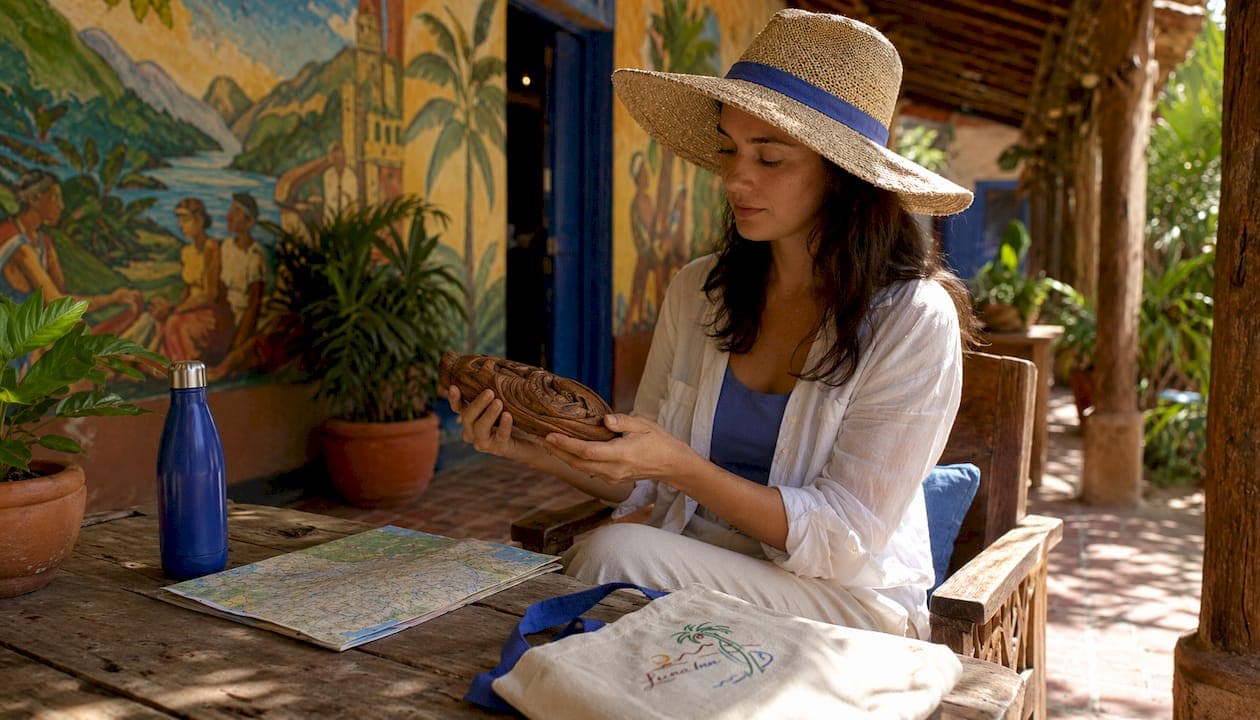
Heritage travel experience is defined as the practice of visiting places and engaging with cultural artifacts, traditions, and living communities to authentically connect with the stories of the past and present. The industry standard term for this practice is heritage tourism, and it commands 48% of the global travel market, valued at $638.87 billion as of 2026. That scale tells you something important: travelers are no longer satisfied with passive sightseeing. Heritage travel covers two broad dimensions. The first is personal heritage, where you trace your own ancestral roots. The second is cultural heritage, where you engage with the history and traditions of a place that may not be your own. Both demand the same thing from you: intentionality.
What is a heritage travel experience, and how does it differ from regular tourism?
The clearest way to understand cultural travel is through the lens of intentionality. A heritage traveler acts as a respectful guest and cultural steward, not a consumer checking boxes on a sightseeing list. That single shift in mindset changes everything about how you plan, behave, and remember a trip.
Standard tourism is transactional. You pay for access, you observe, and you leave. Heritage travel is reciprocal. You show up with curiosity, you participate, and you leave something behind, whether that is money spent in a local shop, a skill learned from a craftsperson, or a story shared across a kitchen table. The relationship between traveler and place becomes a two-way exchange.
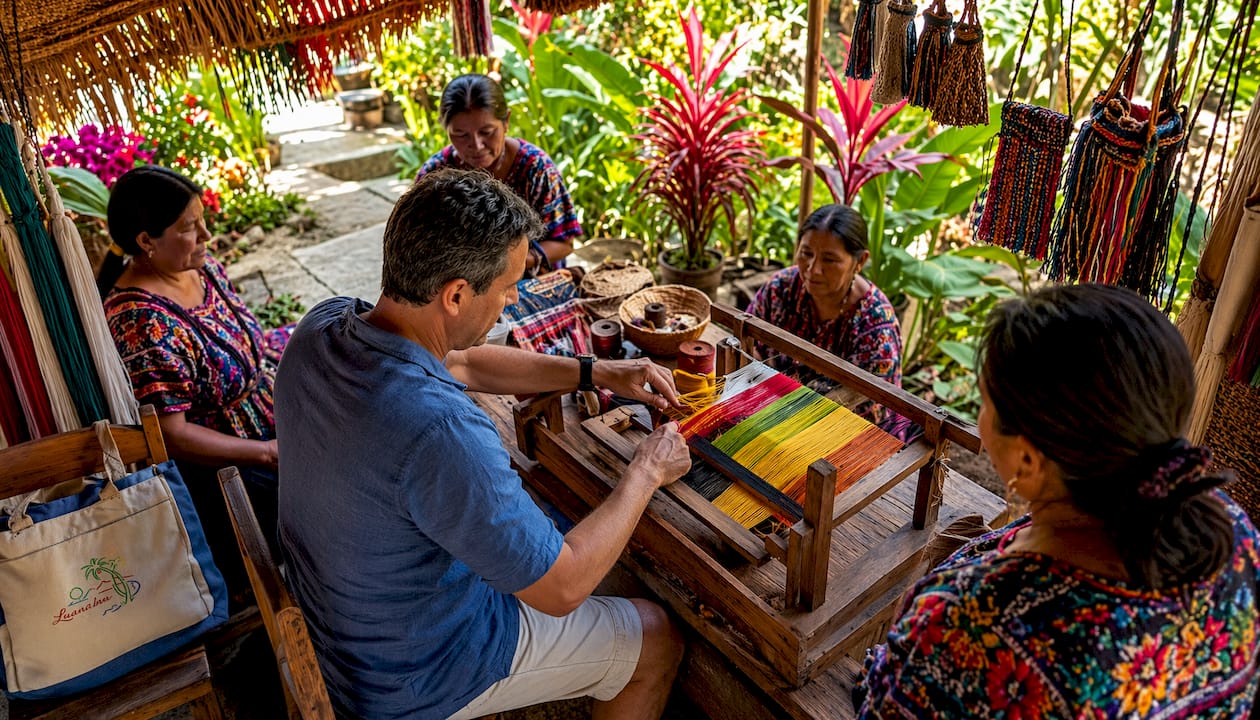
Heritage travelers also carry a sense of responsibility that typical tourists do not. They prioritize preservation and mindfulness, treating cultural access as an invitation rather than an entitlement. That means reading about local customs before you arrive, asking permission before photographing sacred sites, and choosing experiences that put money directly into community hands.
Here is what separates a heritage traveler from a tourist in practice:
- Intentionality: You research the cultural or ancestral context of a place before you book a single flight.
- Engagement: You seek out interactive experiences, not just observation points.
- Reciprocity: You spend locally, tip generously, and support community-led enterprises.
- Mindfulness: You treat cultural traditions with the same respect you would want shown to your own.
- Reflection: You build in time to process what you have seen and felt, not just photograph it.
Pro Tip: Before your trip, read one oral history or memoir written by someone from the community you plan to visit. That single act of preparation changes how you see everything once you arrive.
What are the key experiential dimensions of meaningful heritage travel?
Research on heritage tourism identifies five core dimensions that define a profound experience: participation, wonder, immersion, resonance, and personal value. These are not abstract concepts. Each one maps to a specific type of moment you can plan for.
Understanding these dimensions helps you build a trip that goes beyond surface-level tourism and into something genuinely transformative.
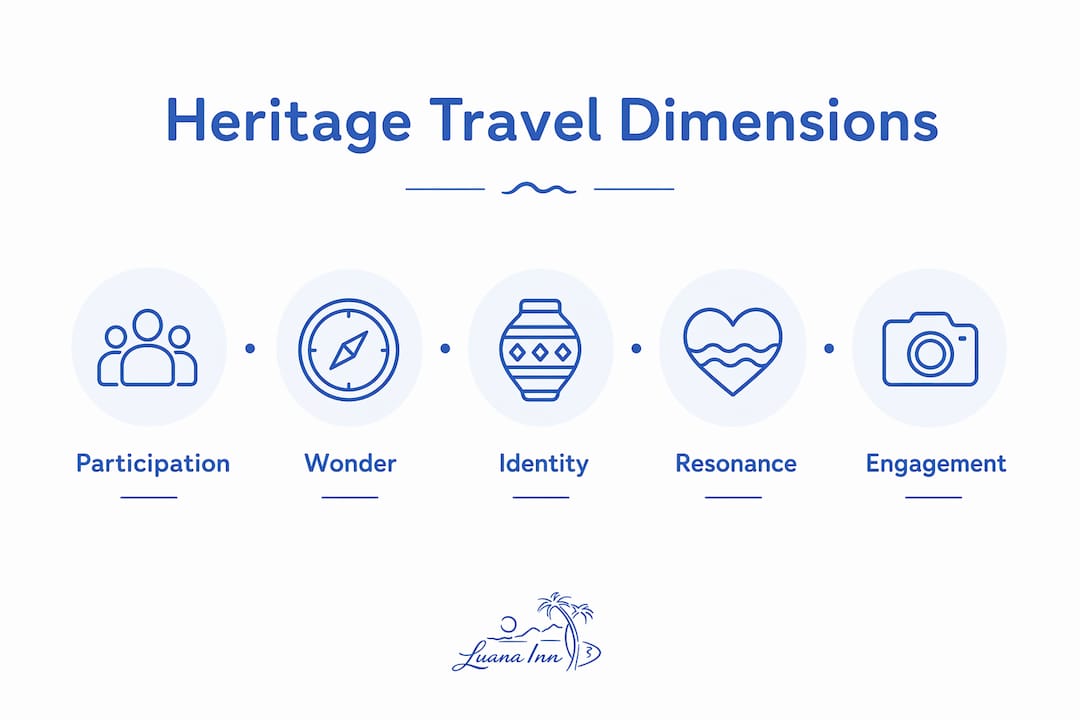
| Dimension | What it looks like in practice |
|---|---|
| Participation | Joining a traditional weaving workshop, cooking a regional dish with a local family |
| Wonder | Standing inside a centuries-old temple or hearing a language spoken that your grandparents used |
| Immersion | Staying in a community-owned guesthouse, attending a local festival as a guest |
| Resonance | Feeling a personal connection to a historical event or ancestral story |
| Personal value | Leaving with a new skill, a deeper identity, or a changed perspective |
Participation is the most powerful of the five. Active engagement with heritage objects or interactive workshops produces stronger psychological bonding and more lasting memories than passive observation. Handling a traditional tool, learning three words of a dying language, or watching a craftsperson demonstrate a technique you then try yourself, these moments create what researchers call embodied agency. You are not watching history. You are briefly living inside it.
Resonance is the dimension most travelers underestimate. It is the moment when something you encounter clicks with something you already carry inside you. A photograph of a village that matches the one your grandmother described. A melody that sounds like something you heard as a child. Resonance cannot be scheduled, but it can be invited by doing your research before you travel.
Pro Tip: Plan at least one unscheduled afternoon on every heritage trip. Resonance rarely arrives on a tour bus schedule. It shows up when you are sitting quietly in a market, letting the place come to you.
How can you make sure your heritage travel is ethical and good for the community?
Heritage travel can cause real harm when it is done carelessly. Treating communities as exhibits rather than hosts turns cultural tourism into exploitation. Economic leakage, where tourist dollars flow to international hotel chains instead of local families, is one of the most common and damaging patterns in the industry.
Ethical heritage travel requires reciprocity. Economic benefits must flow directly to local communities, and cultural access must be treated as an invitation, not an entitlement. That principle guides every practical decision you make on the ground.
Here is a step-by-step approach to ethical heritage travel:
- Hire local guides. A guide from the community brings insider knowledge that no guidebook can replicate. Your fee goes directly to a local household.
- Stay in community-owned accommodations. Local lodging choices keep your spending inside the local economy and often provide richer cultural experiences than international chains.
- Buy directly from artisans. Skip the airport gift shop. Purchase crafts, food, and souvenirs from the people who made them.
- Ask before you photograph. Sacred sites, ceremonies, and people deserve your respect, not your camera roll.
- Learn the basics of local etiquette. A few phrases in the local language and an understanding of cultural norms show genuine respect. If you are traveling to Hawaii, a Hawaii cultural etiquette guide is a practical starting point.
Heritage tourism also supports local economies by directing spending toward community-led enterprises, which sustains both cultural preservation and local employment. That is not a side benefit. It is the whole point.
- Avoid tour operators that do not share revenue with local communities.
- Choose experiences that involve living culture, not just preserved artifacts behind glass.
- Ask your accommodation host how they give back to the surrounding community.
How to plan a meaningful heritage travel experience for yourself
Good planning is what separates a memorable cultural trip from a frustrating one. The research you do before you leave home shapes everything you notice once you arrive.
Start with ancestral or cultural context. If you are tracing personal roots, gather family documents, old photographs, and any oral histories you can find. Researching oral histories before travel transforms a heritage visit into a personalized pilgrimage and deepens your emotional connection to the place. If you are engaging with a culture that is not your own, read books written by people from that culture, not just travel writers passing through.
Here is a practical planning checklist:
- Research the cultural context at least four to six weeks before departure. Read history, listen to music, watch documentaries.
- Identify interactive experiences rather than passive tours. Look for workshops, cooking classes, craft demonstrations, and community-led walking tours.
- Build in rest days. Heritage travel carries emotional weight, and many travelers underestimate how much processing time they need. Schedule at least one quiet day for reflection.
- Connect with local organizations before you arrive. Cultural centers, community museums, and heritage societies often know about experiences that never appear on mainstream booking platforms.
- Pack light on expectations. The most meaningful moments in heritage travel are rarely the ones you planned. Leave room for surprise.
For travelers who want the emotional depth of heritage travel alongside genuine rest, restorative travel experiences offer a useful framework for balancing intensity with recovery. A holistic travel approach also helps you think about the whole trip, not just the highlight reel.
Key Takeaways
Heritage travel experience is defined by intentional cultural immersion, ethical reciprocity, and active participation that transforms a trip into a lasting personal and cultural exchange.
| Point | Details |
|---|---|
| Heritage tourism scale | The industry holds 48% of the global travel market, valued at $638.87 billion in 2026. |
| Intentionality is the core difference | Heritage travelers act as cultural stewards, not consumers, which changes every decision they make. |
| Five experiential dimensions | Participation, wonder, immersion, resonance, and personal value define a profound heritage trip. |
| Ethical travel requires reciprocity | Spend locally, hire community guides, and treat cultural access as an invitation, not an entitlement. |
| Planning shapes the experience | Research oral histories, book interactive experiences, and schedule rest days before you travel. |
What heritage travel has taught me about showing up with humility
Heritage travel changed how I see myself as a traveler. I used to think preparation meant booking the right tours. Now I know it means showing up with genuine curiosity and the willingness to be changed by what I find.
The most common mistake I see travelers make is treating heritage sites like a checklist. They photograph the temple, buy the souvenir, and move on without ever sitting still long enough to feel anything. The five experiential dimensions, especially resonance and personal value, only arrive when you slow down. You cannot rush a conversation with a 90-year-old weaver who learned her craft from her grandmother.
The other thing I have learned is that humility is not optional. Every culture you visit has depth that you will not fully understand in a week. The goal is not to master it. The goal is to approach it with respect, ask good questions, and leave the place a little better than you found it. That is what separates a meaningful trip from a forgettable one.
Heritage travel also has a way of clarifying your own identity. When you stand in a place where your ancestors lived, or where a culture you admire has thrived for centuries, something shifts. You see your own story differently. That is the gift this kind of travel offers, and it is one that no resort pool or beach bar can replicate.
— Nicole
A heritage-rich stay at Luana inn

Luana inn sits on the hillside above Kealakekua Bay on the Big Island of Hawaii, a place where Hawaiian history runs deep and the natural world is impossible to ignore. From the lanai, you watch sunsets shift over the Pacific and sunrises paint the slopes of Mauna Loa in soft color. This is not a backdrop. It is a living part of Hawaiian cultural heritage.
Guests at Luana inn are steps away from one of the most historically significant bays in Hawaii, where ancient traditions, ocean culture, and community life intersect. The inn's vacation packages are built for travelers who want more than a beach holiday. They want to feel the place, learn its stories, and leave with something real. If you are ready to experience cultural heritage the right way, Luana inn is a genuine place to start.
FAQ
What is the heritage tourism definition?
Heritage tourism is the practice of traveling to places that authentically represent cultural, ancestral, or historical significance. It accounts for 48% of the global travel market, valued at $638.87 billion in 2026.
What are the two main types of heritage travel?
Heritage travel covers personal heritage, tracing your own ancestral roots, and cultural heritage, engaging with the history and traditions of a place that may not be your own background.
How does experiencing cultural heritage differ from regular sightseeing?
Cultural heritage travel is defined by intentionality and reciprocity. Heritage travelers act as cultural stewards who participate actively and support local communities, rather than observing passively as consumers.
What are the benefits of heritage travel?
Heritage travel deepens personal identity, builds cross-cultural understanding, and supports local economies by directing spending toward community-led enterprises that sustain cultural preservation and employment.
How do I plan heritage trips without being exploitative?
Hire local guides, stay in community-owned accommodations, and treat cultural access as an invitation rather than an entitlement. Ethical reciprocity means ensuring your spending benefits the community directly.