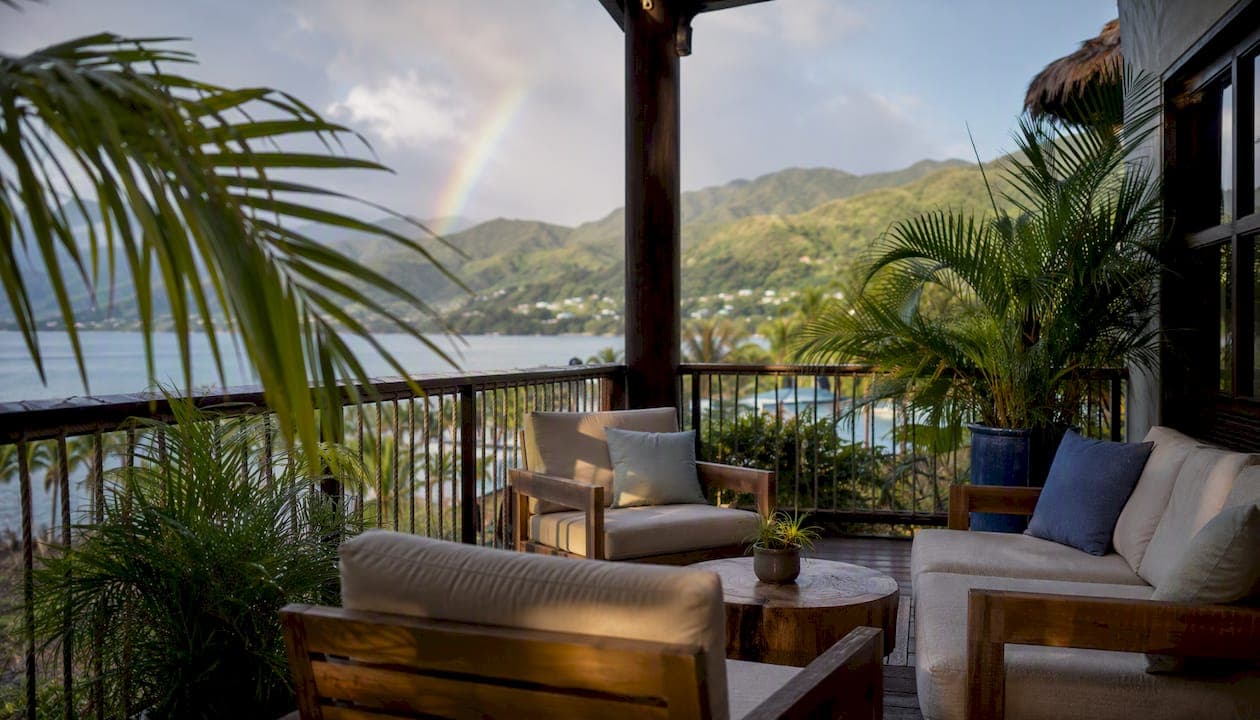
Peaceful accommodations protect your sleep quality and reduce acute stress biology, which means you actually recover during travel instead of arriving home more depleted than when you left. A cross-over pilot study published in Communications Medicine found that traffic-noise nights caused measurable sleep fragmentation and changes in blood metabolites, while continuous pink-noise masking attenuated those effects. Right now, the single fastest action you can take: when booking your next stay, request a room away from street-facing traffic or ask about private-entrance options, as properties like Luana inn are designed around exactly that kind of intentional quiet.
Key Takeaways
Peaceful accommodations protect sleep architecture and reduce acute stress biology, making tranquility one of the most evidence-backed investments you can make in your travel well-being.
| Point | Details |
|---|---|
| Sleep fragmentation is the core risk | Intermittent noise disrupts sleep architecture even when total sleep time appears normal, leaving you fatigued. |
| Stress biology signals are real but uncertain | Reviews of metabolic and cardiovascular biomarkers show suggestive links to noise exposure, rated low to very low certainty. |
| Tranquility is an active travel motive | Tourism research confirms many travelers choose rural or nature-based stays specifically for restoration and anxiety reduction. |
| Booking checklist priorities | Look for private entrances, room orientation away from traffic, quiet-hours policies, and wellness amenities. |
| Luana inn as a model | Luana inn's elevated site, private-entrance rooms, infrared sauna, and attentive hosting align directly with the evidence-backed criteria for a restorative stay. |
Table of Contents
- Why peaceful accommodations matter for your sleep and stress
- Why travelers actively seek out quiet stays
- What to look for when choosing a peaceful accommodation
- How to verify quietness before you book
- Guest actions that improve your sleep quality during any stay
- What the research does and doesn't prove
- How Luana inn models a peaceful accommodation
- The quiet that actually changes a trip
- A restful stay at Luana inn is worth booking intentionally
- Sources
Why peaceful accommodations matter for your sleep and stress
Intermittent noise fragments sleep even when your total hours in bed look fine. That distinction matters more than most travelers realize. Your brain registers sound events as potential threats, triggering EEG arousals and a spike in sympathetic nervous system activity, including cortisol and adrenaline, without fully waking you. You clock eight hours and still feel unrested because the restorative architecture of sleep, the deep slow-wave and REM cycles, got interrupted repeatedly through the night.
A systematic review of 133 primary studies found that acute noise exposure can increase biological stress reactions and may be associated with blood pressure and cardiovascular signals, though the overall certainty of evidence was rated very low due to study heterogeneity and bias concerns.
A separate metabolic biomarker review covering 56 studies identified suggestive links between higher noise exposure and changes in adrenaline, noradrenaline, and cortisol, with some pooled signals for adiposity measures. Certainty there was also rated low to very low. The honest framing: the physiological pathway is plausible and the short-term effects on travelers are real, but long-term causal claims remain tentative. For a traveler on a week-long trip, the relevant concern is the acute one: a noisy night leaves you fatigued, irritable, and less able to enjoy the next day.
Why travelers actively seek out quiet stays
Tranquility is not a passive amenity. Tourism research shows that many visitors choose rural or nature-based stays specifically to gain restoration, reduced sensory load, and emotional recovery. That makes quiet an active travel motive, not a default expectation that any hotel can satisfy by accident.
Think about a couple who books a week in Hawaii after months of back-to-back work travel. They are not just looking for a bed. They want their nervous system to slow down, their attention to restore, and their anxiety to drop. A property that delivers genuine quiet, private space, and calm routines gives them that. One that puts them next to a busy road or a shared corridor with thin walls does not, regardless of how good the breakfast is.
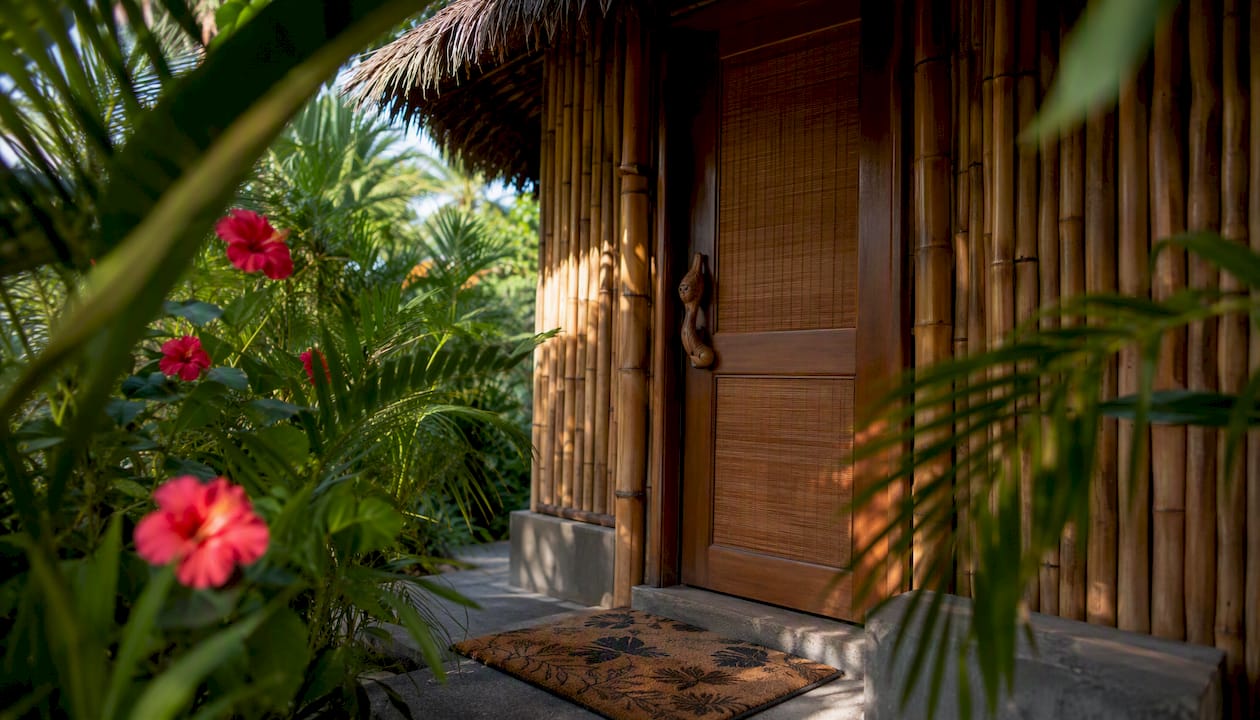
Hospitality research frames hosting as relational care that can deliver emotional safety and social restoration. Calm, well-managed stays feel restorative beyond pure acoustic quiet, because a host's warmth, clear policies, and predictable rhythms reduce the low-grade cognitive load that keeps travelers on edge. Explore restorative travel experiences to understand how these motives shape the full trip.
What to look for when choosing a peaceful accommodation
Lead your search with features that reduce intermittent nighttime noise, not just properties that describe themselves as "peaceful" in marketing copy.
- Location away from traffic and flight paths. Check the property's address on a map and look for proximity to highways, airports, or busy intersections. Rural or elevated sites naturally buffer road noise.
- Verified soundproofing or construction descriptors. Look for mentions of thick walls, double-pane windows, or concrete construction in reviews or property descriptions. Vague claims like "quiet neighborhood" are less reliable than structural specifics.
- Private entrances and ensuite bathrooms. Shared corridors and communal bathrooms mean foot traffic at all hours. Private access eliminates that entirely.
- Floor and room orientation. Upper floors and rooms facing gardens or water rather than streets reduce exposure to intermittent noise events, which matter more for sleep fragmentation than average ambient sound levels.
- Quiet-hours policy. Ask whether the property enforces quiet hours and whether it hosts events. A beautiful venue that doubles as a wedding space on weekends is a different proposition than one that does not.
- Wellness amenities that support restoration. An infrared sauna, meditation or yoga space, or a chlorine-free pool signals that the property is designed around recovery, not just accommodation. These amenities reinforce the restorative routines that help you wind down before sleep.
Mountain and elevated lodging often checks several of these boxes at once, combining natural sound buffering with the kind of views that genuinely help you decompress.
How to verify quietness before you book
Use multiple signals, because any single cue can mislead you. A glowing overall rating says nothing about noise at 2 AM.
Search review text specifically for words like "quiet," "noise," "traffic," "thin walls," and "light sleeper." Look for patterns across multiple reviewers rather than one outlier. Google Street View in nighttime mode and tools like road-noise or flight-path maps give you a quick read on a property's acoustic environment before you ever contact the host.
Three direct questions worth asking any property:
- Which rooms are furthest from the road or any shared common areas?
- Does the property host events, and if so, on which nights?
- What are your quiet hours, and how are they enforced?
A reassuring answer is specific: a room number or wing, a clear policy, and a host who answers without hesitation. Vague reassurances ("it's generally pretty quiet") are worth noting.
Guest actions that improve your sleep quality during any stay
Simple in-room steps reduce disturbance risk even when the property itself is not perfect.
- At check-in, ask to move if your assigned room faces a busy street or sits near the elevator or ice machine.
- Bring foam earplugs rated NRR 33 as a backup. They cost almost nothing and eliminate a surprising amount of intermittent noise.
- Use a sleep mask to block hallway light under the door.
- Set a consistent wind-down routine: dim the lights, put your phone face-down, and give yourself 20 minutes before you expect to sleep.
- Run the room's HVAC fan on a continuous low setting to create a gentle masking layer without the variability of intermittent cycling.
Pro Tip: If you use a pink or white noise app, keep the volume low enough that you can still hear a smoke alarm clearly. The Communications Medicine pilot study showed pink-noise masking reduced physiological sleep fragmentation from traffic noise, but subjective sleep improvements were inconsistent. Use it only if it has helped you before, and monitor how you feel in the morning.
What the research does and doesn't prove
The evidence shows plausible physiological pathways, but long-term causal links remain uncertain for many outcomes. Here is where the science stands honestly.
The metabolic biomarker review rated its pooled findings on cortisol, adrenaline, and waist circumference as low to very low certainty, meaning the signals are suggestive but not definitive proof of harm at typical travel-noise levels.
Key limitations: most experimental studies use small samples (the pink-noise pilot had 12 participants), study designs vary widely, and findings from chronic occupational noise exposure may not translate directly to a traveler's one-week stay. Age, health status, and individual habituation all affect how much a noisy night actually disrupts you.
The practical implication: apply the precautionary principle for sleep and well-being. Choosing quieter accommodations costs you little and the short-term benefits, feeling rested and restored, are real. Avoid overstating population-level cardiovascular risk from a single noisy vacation, but do take your sleep environment seriously when you have the choice.
How Luana inn models a peaceful accommodation
Luana inn intentionally designs for tranquility through its site, layout, and hosting practices.
| Feature | What Luana inn offers |
|---|---|
| Location and views | Set in the foothills of Mauna Loa, overlooking Kealakekua Bay, well away from major roads and flight corridors |
| Private entrances and ensuites | Each room has a private entrance and private bathroom, eliminating shared-corridor foot traffic |
| Wellness amenities | Infrared sauna, chlorine-free swimming pool, hot tub, and dedicated yoga and meditation spaces |
| Farm-to-table breakfast | Morning meals sourced from the property support a restorative routine and reduce the decision load of finding food |
| Eco-friendly property design | Sustainable site planning and landscaping reinforce natural sound buffering and sensory calm |
| Host care practices | Warm, attentive hosting aligned with the relational-care model that hospitality research links to emotional safety |
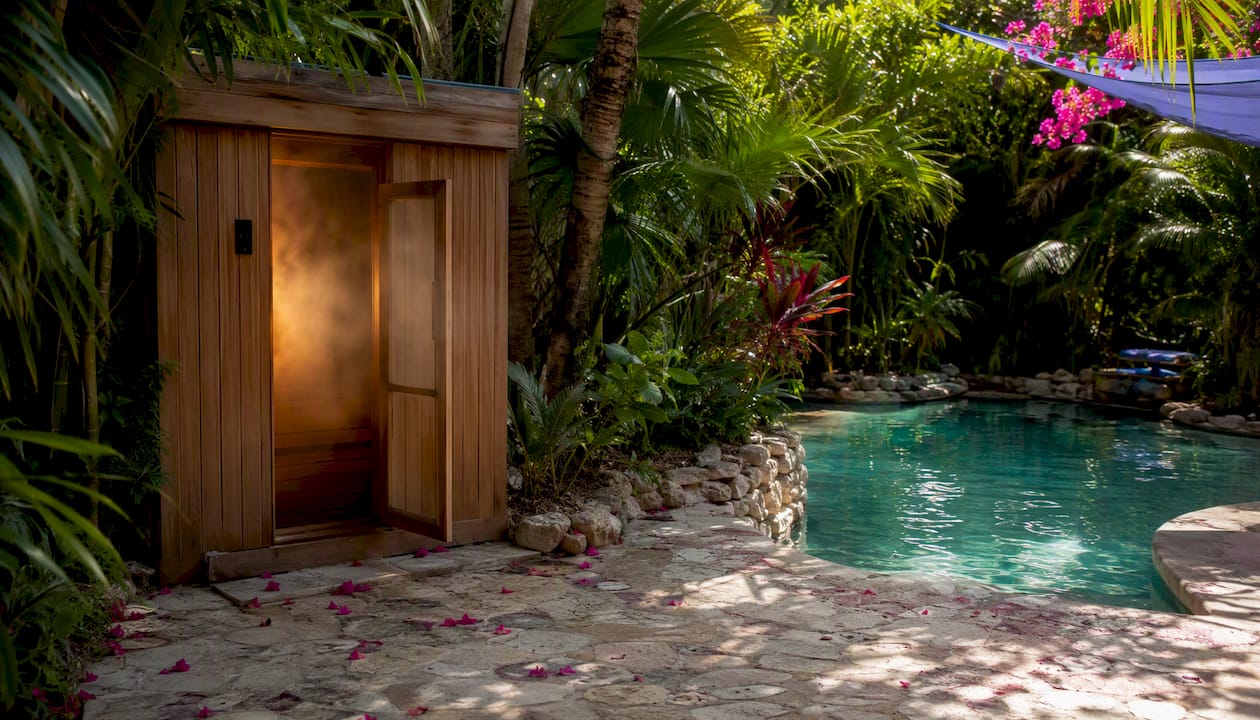
When booking, ask specifically about room orientation relative to the bay and sunrise views, confirm quiet-hours policy, and ask about wellness packages that include sauna or spa treatments. Those add-ons are not just luxuries; they give your nervous system structured recovery time that complements a good night's sleep. The benefits of a bed and breakfast stay over a large hotel come through clearly here: personal service, genuine quiet, and a host who knows your name.
The quiet that actually changes a trip
Most travelers underestimate how much their accommodation shapes the quality of the whole trip. You can have the best itinerary in the world, but if you are waking up three times a night to traffic noise or a slamming door, you are running on a deficit by day two. The research on sleep fragmentation makes this concrete: it is not about total hours, it is about the architecture of sleep, and intermittent noise disrupts that architecture without you always knowing it happened.
What I find most compelling about the evidence is that the benefits of a truly quiet stay are not just subjective comfort. They show up in measurable stress biology. That shifts the conversation from "nice to have" to something worth prioritizing when you plan and book. Properties like Luana inn, which build tranquility into their site selection, room design, and hosting philosophy, are not selling a premium add-on. They are delivering the core thing travel is supposed to do: restore you.
A restful stay at Luana inn is worth booking intentionally
Luana inn gives wellness-focused travelers something most accommodations cannot: a property where tranquility is built into the site, not retrofitted with a "do not disturb" sign. Perched above Kealakekua Bay with private-entrance rooms, an infrared sauna, a chlorine-free pool, and farm-to-table breakfasts, it matches every criterion on the peaceful-stay checklist.

When you book, request your preferred room orientation, confirm quiet hours, and ask about adding a spa or wellness package to your stay. Those small steps at booking time make a real difference to how rested you feel by day three.
Reserve your stay at Luana inn and arrive ready to actually unwind.
Sources
- Pink noise reduces impact of traffic noise on sleep and the blood metabolome: a cross-over pilot study | Communications Medicine
- Impact of Noise Exposure on Risk of Developing Stress-Related Health Effects Related to the Cardiovascular System: A Systematic Review and Meta-Analysis
- Vacationers in the countryside: Traveling for tranquility? - ScienceDirect
- Hospitality as care and positive peace (hospitality research article)
This article is general information, not a substitute for advice from a qualified doctor. Consult a qualified healthcare professional about your own circumstances before acting on anything here.