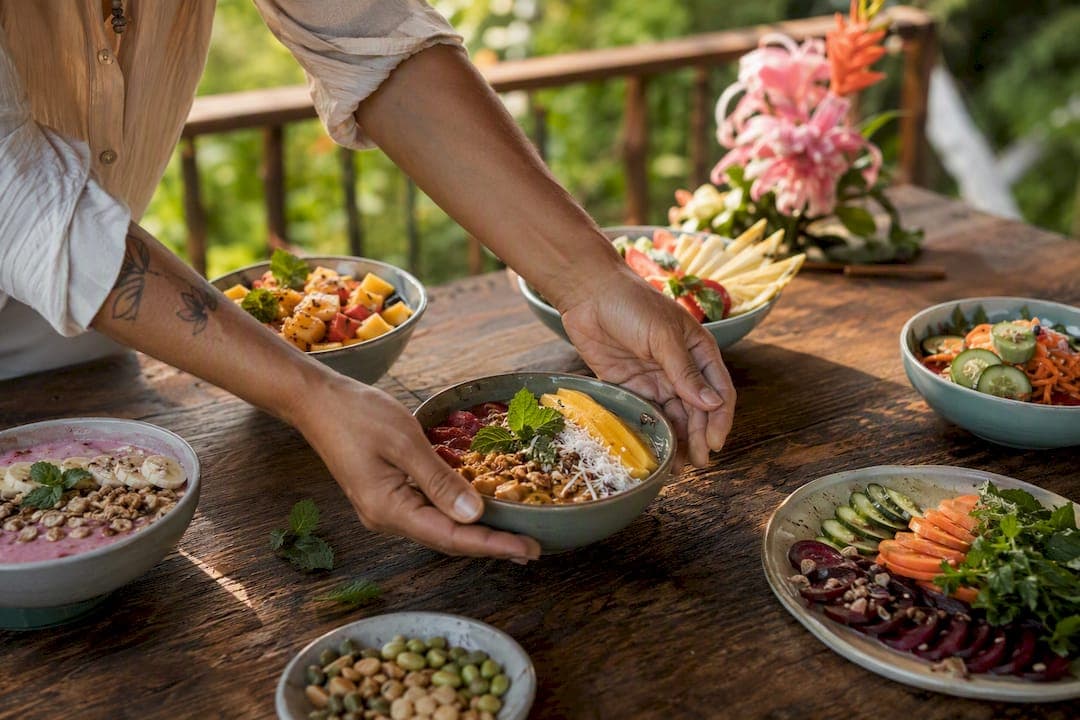
A vegan wellness getaway is an immersive trip built around plant-based meals, guided movement, and hands-on wellness programming, all designed to reset your habits in a matter of days instead of months. Think of it as a full environment change: someone else plans the menu, someone else leads the sunrise stretch, and you spend your energy showing up instead of deciding what to eat for the third time today. That's the real appeal. Removing daily decision fatigue and surrounding yourself with people chasing the same goals tends to make new habits stick faster than they would at home.
Most vegan wellness getaways share a handful of core building blocks:
- Plant-based meals prepared for you, often with a stated nutritional philosophy
- Daily movement, from gentle yoga to guided hikes
- Educational programming, like cooking classes or nutrition talks
- Comfortable, often eco-minded lodging
- A built-in community of guests working toward similar goals
Key Takeaways
A vegan wellness getaway works because it removes daily food decisions and pairs plant-based meals with movement and community, compressing weeks of habit change into days.
| Point | Details |
|---|---|
| Core format | Meals, movement, workshops, and lodging bundled into one immersive plant-based experience. |
| Length matters | Five to seven days tends to produce more durable habit change than a two or three-day trip. |
| Credentials signal quality | Look for a registered dietitian or licensed therapists on staff, not vague "wellness coach" titles. |
| Ask before booking | Request a sample menu, daily schedule, and written cancellation policy from any provider. |
| Luana Inn fits the model | Farm-to-table breakfasts, spa services, and yoga-friendly spaces mirror the checklist at a boutique bed-and-breakfast scale. |
Table of Contents
- What's Included in a Plant-Based Wellness Retreat
- Sample 3, 5, and 7-Day Vegan Retreat Schedules
- Who a Plant-Based Wellness Retreat Actually Suits
- What the Research Says About Habit Change and Belonging
- How Much a Vegan Wellness Getaway Costs and When to Book
- How to Choose a Vegan Wellness Retreat: A Checklist
- Where to Find Vegan Wellness Resorts and Retreats
- What to Pack for a Plant-Based Wellness Retreat
- Refund and Cancellation Policies for Vegan Wellness Getaways
- Environmental and Ethical Considerations of Vegan Getaways
- What Guests Say They Take Home
- How a Stay at Luana Inn Matches the Getaway Model
- Frequently Asked Questions
- Sources
What's Included in a Plant-Based Wellness Retreat
The phrase "all-inclusive" gets used loosely in wellness travel, so it helps to know what's typically bundled and what tends to cost extra. A well-run plant-based wellness retreat usually wraps meals, daily classes, at least one workshop, and lodging into a single price. Spa treatments are hit or miss. Some programs include one massage or facial as part of the package; others treat spa services as paid add-ons booked separately once you arrive.
Meal philosophy is worth understanding before you book, because it shapes both your plate and your results. A strict whole-food plant-based (WFPB) program skips added oils and processed ingredients, leaning on beans, grains, and vegetables in close to their natural state. A raw-forward menu emphasizes uncooked, enzyme-rich foods and can feel restrictive if you're new to plant-based eating. Juice-focused programs, sometimes marketed as cleanses, replace some or all solid meals with juices for a defined stretch, which suits a narrower audience than the other formats. Nutrition Studies offers structured coursework on the principles behind WFPB eating, and retreats that build their menus on that kind of foundation tend to be more transparent about why they've made specific ingredient choices.
Accommodation varies just as much as the food. You'll find boutique bed and breakfasts with private rooms and bathrooms, resort-style suites with full amenity access, shared dorm rooms at festival-style gatherings, and small dedicated retreat centers built specifically for group programming. JetBlue Vacations draws a useful distinction here: a spa vacation is largely self-directed relaxation, while a true wellness retreat weaves meals, movement, and workshops into a deliberately structured experience aimed at a specific outcome.
Programming formats split into two camps. Scheduled group retreats move everyone through the same itinerary together, which builds camaraderie fast but leaves less room for personal pace. Á la carte formats let you build your own day from a menu of optional sessions, which suits travelers who want structure without a rigid schedule.
Before you book anything, run through this checklist:
- Are all meals included, or only some?
- Is transportation to and from the property covered?
- Are spa treatments part of the package or billed separately?
- Do taxes and gratuities show up in the quoted price?
- Is there a fee for special dietary substitutions?
Pro Tip: Email the retreat organizer directly and ask for a sample day's menu and schedule before you pay a deposit. A provider confident in its programming will send this without hesitation. One that stalls or gives vague answers is telling you something.
Sample 3, 5, and 7-Day Vegan Retreat Schedules
Length shapes what a vegan wellness getaway can realistically deliver. A short trip gives you a taste and a mental reset. A full week gives you enough repetition to leave with habits, not just memories.
1. A 3-day sample schedule works well as an introduction or a long-weekend reset. Day one centers on arrival, orientation, and a welcome communal dinner. Day two adds a morning movement session, a cooking or nutrition workshop, and free time by the pool or in nature. Day three wraps with a final group meal and a take-home plan before checkout.
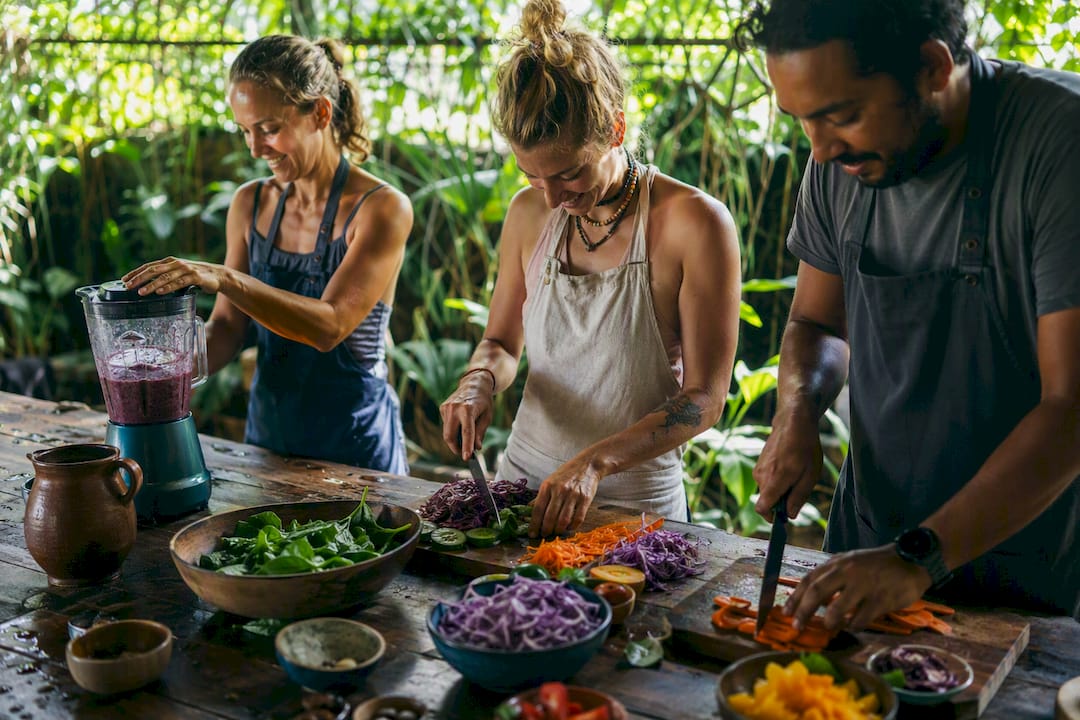
2. A 5-day sample schedule allows for skill-building on top of rest. Expect a guided hike or nature walk, at least one hands-on cooking class where you actually prep a dish, daily morning movement, and typically one one-on-one consultation with a nutritionist or coach partway through the stay.
3. A 7-day sample schedule is where deeper behavior change tends to happen. A full week usually layers in multiple workshops (meal planning, stress management, mindful eating), therapeutic services like massage or acupuncture, and dedicated blocks of unstructured time for journaling or quiet reflection, alongside the daily meals and movement.
Each length serves a different purpose. A weekend gives you a taste of what plant-based living feels like without deep commitment. Five days is enough time to jump-start a new habit, like a morning stretch routine or a go-to breakfast. Seven days or more gives you space to actually build skills, not just sample them.
Across almost any length, expect these categories to repeat daily:
- Morning movement (yoga, walking, light strength work)
- Two to three plant-based communal meals
- One educational session (cooking, nutrition, mindfulness)
- Unstructured personal time
- Evening wind-down activity (meditation, sound bath, free discussion)
Who a Plant-Based Wellness Retreat Actually Suits
Not every plant-based wellness retreat fits every traveler, and matching your goal to the right program matters more than picking a famous name. Someone craving a mental and physical reset does best with a gentler, low-intensity schedule built around rest and simple movement. Someone who wants to actually learn to cook plant-based meals should prioritize retreats with hands-on culinary sessions over passive lecture formats. An active traveler chasing adventure alongside good food should look at hiking-forward or multi-sport itineraries that still deliver solid plant-based meals at the end of the day.
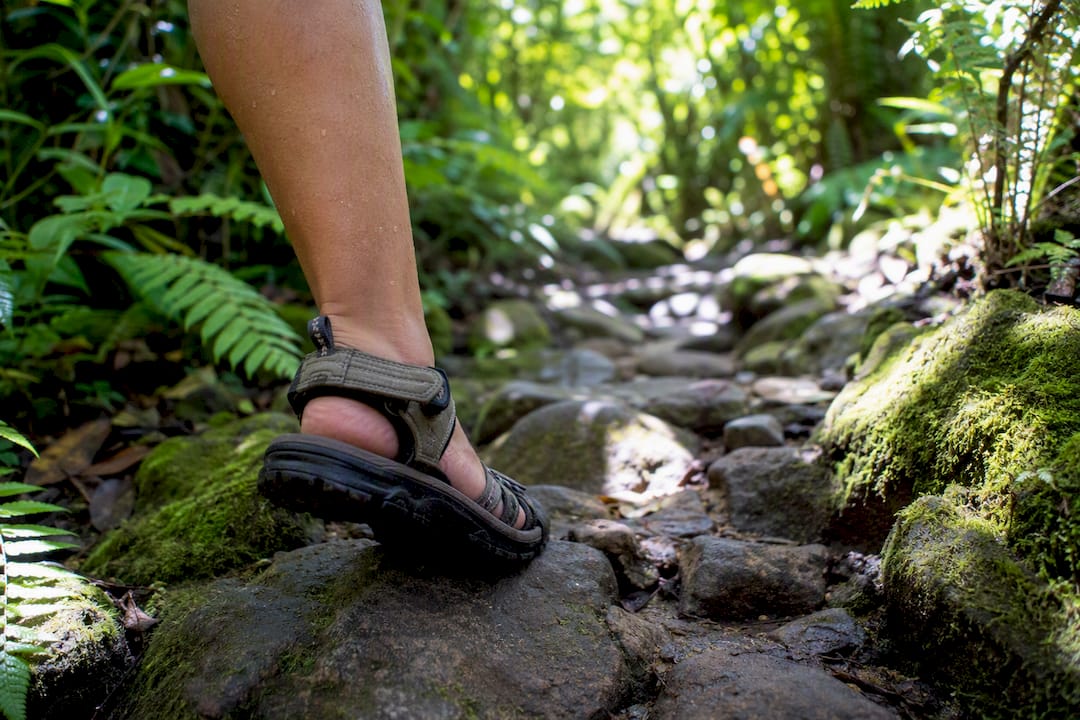
Fitness and skill level matter too. Beginner-friendly programs advertise modified poses, shorter hikes, and flexible pacing. Advanced programs assume you can keep up with multi-hour treks or intense daily practice. If a website doesn't state intensity level clearly, call and ask directly.
Accessibility deserves the same scrutiny. Ask about mobility accommodations, whether dietary substitutions are handled without a fuss, and whether quieter, lower-stimulation program tracks exist for guests who don't want every session to be group-based.
Watch for these red flags before booking:
- No clear policy for dietary substitutions or allergies
- Staff credentials aren't listed anywhere on the site
- Vague or missing accessibility information
- No sample schedule available on request
What the Research Says About Habit Change and Belonging
Wellness travel isn't a niche curiosity anymore. The Global Wellness Institute describes wellness travel and gatherings as a massive and fast-growing sector, driven partly by a mechanism that's easy to underestimate: shared experience amplifies behavior change. Sitting down to the same plant-based meal as twenty other people pursuing the same reset does something individual willpower alone rarely accomplishes.
"The value of gathering" is how the Global Wellness Institute frames it: group settings create a sense of belonging that helps new habits outlast the trip itself, rather than fading the moment guests unpack their suitcases at home.
That belonging effect shows up in program-reported numbers, too. Food Network cites wellness vacation participants reporting reduced stress 60 days after departure and a strong majority noting a stronger sense of belonging by the end of their stay. These are program-reported outcomes rather than controlled clinical results, so treat them as a directional signal rather than a guarantee.
The behavioral science backs up why environment matters so much. Researchers at the UAB Comprehensive Healthy Living Research Center point out that changing your environment is one of the most effective ways to build a new habit, largely because it strips away the dozens of small decisions that normally derail a routine. When someone else has already decided what's for breakfast and when the group hike leaves, your only job is to show up.
Peer-reviewed social psychology backs this further. A study in the European Journal of Social Psychology confirms that social norms and group influence shape individual behavior in measurable ways, which helps explain why a retreat with a tight-knit group often produces stickier changes than a solo wellness trip. A partner guide on sustainable eating habits makes a similar point: habits that survive long term are usually the ones reinforced by routine and social context, not sheer motivation.
Three forces show up again and again in why these getaways work:
- Removing daily food decisions frees mental energy for other changes
- Group settings normalize new behaviors faster than solo effort
- Hands-on skill-building (cooking, movement) outlasts passive advice
How Much a Vegan Wellness Getaway Costs and When to Book
Length drives outcomes, and it drives price. A 2 to 3-day getaway gives you a reset and a taste of the format, but most practitioners find 5 to 7 days produces more durable habit change, simply because it allows a routine to repeat enough times to feel automatic.
| Length & Tier | What You Get | Typical Price Range |
|---|---|---|
| 3-day, budget/B&B style | Shared or private room, meals, one workshop | a few hundred dollars to about one thousand |
| 5-day, mid-tier retreat center | Private or semi-private room, full programming, one consultation | about one to several thousand dollars |
| 7-day, luxury resort | Premium accommodation, spa treatments, multiple workshops, therapeutic services | several thousand dollars and up |
Travel + Leisure notes that wellness trip formats and prices vary widely, so the ranges above shift based on a few consistent factors: accommodation quality, staff credentials (a registered dietitian on staff costs more than an uncredentialed "wellness coach"), how many services are bundled in, and location. A retreat in a remote, hard-to-reach setting almost always costs more once you factor in transportation.
A few timing notes worth keeping in mind:
- Book 2 to 4 months ahead for peak season dates, especially winter getaways in warm climates
- Most retreats require a deposit (often 20 to 50 percent) with the balance due 30 to 60 days before arrival
- Read the cancellation policy before you pay anything, and ask specifically whether travel insurance is recommended or required
- Off-season bookings often run 15 to 20 percent cheaper at the same property
How to Choose a Vegan Wellness Retreat: A Checklist
Picking the right plant-based wellness retreat comes down to matching your goal against the provider's transparency. A retreat that's confident in its programming will happily answer every question below before you pay a cent.
Ask every provider these questions:
- What's the exact meal philosophy (WFPB, raw, juice-focused), and can I see a sample menu?
- What are the credentials of the staff running nutrition and wellness sessions? Look specifically for a registered dietitian or licensed therapists, not just "wellness coaches."
- What's included in the price, and what costs extra?
- Can you send a sample daily schedule?
- Where can I read recent guest reviews and ratings?
Match the criteria to your actual goal. If you want to learn to cook, prioritize hands-on class time over passive lectures. If you're drawn to a social, festival-style event, look for group size and community structure over five-star amenities. If you need therapeutic support for stress or burnout, prioritize staff credentials and one-on-one consultation time over adventure activities.
Red flags that should make you pause:
- A cancellation policy that's vague or buried
- No staff bios or credentials listed anywhere
- Fees that appear only after you've paid a deposit
- No sample menu or schedule available on request
- Reviews that are suspiciously uniform or absent entirely
A simple three-step process keeps the search manageable:
- Narrow to three or four options based on your primary goal (reset, skill-building, adventure, or therapeutic support).
- Email each provider the checklist questions above and compare responses, not just marketing copy.
- Book the one with the clearest answers, not necessarily the flashiest photos.
Where to Find Vegan Wellness Resorts and Retreats
Retreats live across several very different channels, and each one changes the experience. Specialized booking platforms, sometimes branded around terms like Vegan Wellness Retreats, aggregate listings from multiple providers and let you filter by location, length, and meal philosophy. A general platform like BookRetreats functions similarly, pulling together yoga, wellness, and plant-based programs from operators worldwide so you can compare side by side.
Resort-based options, such as Miraval Resorts, deliver wellness programming inside a full-service luxury property, with spa access and amenities layered on top of the core retreat schedule. Active-travel operators like Backroads build multi-day trips around hiking, biking, or paddling with plant-based meal options woven in, appealing to travelers who want adventure alongside their reset. Cruise lines including Crystal Cruises have started building dedicated plant-based and wellness programming into itineraries, which suits travelers who want to combine the format with a changing scenic backdrop.
Nonprofit and mission-driven models exist too. Farm Sanctuary runs retreats combining plant-based cooking with animal-welfare education and community-building, often at a lower price point than luxury resort programs.
Smaller-scale options matter as well. Boutique bed and breakfasts with wellness packages, and community-run events, tend to offer more personal attention than large resorts. A guide to restorative travel formats breaks down how these smaller formats compare to resort-scale programs.
Pro Tip: When comparing a booking platform listing against a provider's own website, check both for consistency. If the platform lists amenities the provider's own site doesn't mention, call and confirm before booking.
What to Pack for a Plant-Based Wellness Retreat
Packing for a plant-based wellness retreat is mostly about layers and comfort, since your days will swing between movement, meals, and downtime. Bring comfortable activewear you can move in, a few layered outfits for temperature swings between morning hikes and evening sessions, and swimwear if the property offers hydrotherapy, a pool, or a hot tub.
A reusable water bottle is worth packing regardless of destination, and it cuts down on single-use plastic during a stay built around sustainability. Bring any regular medications and supplements, since remote retreat centers won't have a pharmacy nearby. A small notebook helps you capture recipes, insights from workshops, or the one habit you want to keep once you're home.
For communal meals and workshops, casual and comfortable clothing is standard. Retreats generally aren't dressy affairs, and showing up overdressed can feel out of step with the relaxed culture most programs cultivate. If you have specific dietary needs beyond the retreat's stated menu, pack a few familiar snacks as backup and mention your restrictions when you book, not on arrival.
- Comfortable activewear and layered clothing
- Swimwear for pool or hydrotherapy access
- Reusable water bottle
- Medications and supplements
- Small notebook for recipes and reflections
Refund and Cancellation Policies for Vegan Wellness Getaways
Cancellation terms vary more in wellness travel than in standard hotel bookings, largely because retreats often lock in group catering and staffing well in advance. Most programs require a non-refundable or partially refundable deposit at booking, typically 20 to 50 percent of the total cost, with cancellations inside 30 to 60 days of arrival forfeiting a larger share of the total price.
Read the fine print on what triggers a full versus partial refund. Some providers offer a sliding scale (full refund 90+ days out, 50 percent 30 to 60 days out, no refund inside 14 days), while others use a flat all-or-nothing cutoff. Ask specifically whether the policy differs for illness, and whether travel insurance is recommended or bundled into the package.
Group retreats and festival-style events tend to have stricter policies than boutique B&B stays, since a single cancellation can affect group meal counts and shared programming costs. Smaller providers with more flexible booking structures, including boutique inn-style stays, often allow date changes rather than forcing an outright cancellation, which is worth asking about directly if your schedule is uncertain.
Before paying any deposit, get the cancellation policy in writing, not just a verbal assurance. A provider willing to put clear terms in an email or contract is signaling the same transparency you should expect from its menu and program information.
Environmental and Ethical Considerations of Vegan Getaways
A vegan wellness getaway carries an environmental footprint worth thinking through honestly, starting with the flight or drive to get there. Plant-based meals themselves generally carry a lighter footprint than meat-heavy menus, but the travel required to reach a retreat, especially international destinations, can offset some of that benefit.
Look past marketing language when a property claims to be "eco-friendly" or "sustainable." Some providers back those claims with real practices, like farm-to-table sourcing, solar power, or greywater recycling; others use the language loosely. A guide to spotting greenwashing in travel walks through specific checks worth running before you take a provider's environmental claims at face value.
Ethical considerations extend to how a retreat treats its local community and staff. Ask whether ingredients are sourced locally, whether staff are paid fairly, and whether the property has any real relationship with the surrounding area or simply imports its entire operation. Retreats built around genuine eco retreat principles tend to answer these questions readily and often showcase local partnerships as part of their programming.
Choosing a smaller, locally rooted property over a sprawling resort often reduces both your footprint and your spending's distance from the community you're visiting. It's not a universal rule, but it's a reasonable starting filter when two options look similar on paper.
What Guests Say They Take Home
Talk to enough people who've done one of these getaways, and the same themes surface. Guests commonly describe clearer eating habits that outlast the trip, a new recipe or two in regular rotation, renewed motivation to move daily, lower stress, and a small circle of new contacts who share their goals.
Pro Tip: Pick one single ritual from your retreat, whether it's a morning stretch or a specific breakfast, and commit to keeping just that one thing for 30 days after you get home. Trying to keep everything usually means keeping nothing.
Luana Inn hears versions of this from guests who come for a wellness-focused stay and leave with more than a tan.
How a Stay at Luana Inn Matches the Getaway Model
Everything covered above, the meals, the movement, the credentialed care, the honest policies, maps onto what Luana Inn already offers guests overlooking Kealakekua Bay. Farm-to-table breakfasts built around fresh, largely plant-forward ingredients replace the need to plan meals yourself. Yoga and meditation-friendly spaces, a chlorine-free pool, a hot tub, and an infrared sauna give you the movement and recovery pieces without booking five separate appointments elsewhere.

Run it against the same checklist from earlier in this guide, and it holds up well:
- Menu clarity: farm-to-table breakfasts with ingredients guests can ask about directly
- Wellness packages: spa treatments and holistic packages bundled or added as needed
- Accessibility: private entrances and bathrooms in every room, with straightforward booking questions answered directly by the property
- Transparency: clear policies communicated before you book, not buried in fine print
If a bed-and-breakfast setting on the Big Island sounds like the right scale for your own reset, the packages page lays out current wellness and retreat-style offerings. Check availability and book your stay directly through Luana Inn to start planning your own version of this getaway.
Frequently Asked Questions
What is a vegan wellness getaway, exactly? A vegan wellness getaway is a short trip built entirely around plant-based meals combined with structured wellness programming, like yoga, workshops, and sometimes spa treatments, designed to jump-start healthier habits in an immersive setting.
How long should a first-time vegan retreat be? A 5-day program strikes a good balance for first-timers. It's long enough to build a routine without the cost and time commitment of a full week.
Do vegan wellness retreats accommodate people with limited mobility? Many do, but policies vary by provider. Always ask directly about mobility accommodations and modified activity tracks before booking rather than assuming standard programming will fit your needs.
Are vegan wellness getaways only for strict vegans? No. Most plant-based wellness retreats welcome anyone curious about eating more plants, regardless of whether they identify as vegan at home.
What's a reasonable price range for a short vegan wellness getaway? A 3-day budget-tier stay often runs $400 to $900, while a luxury 7-day resort program can run $2,800 or more, depending on accommodation, credentials, and included services.
Sources
A few sources are worth bookmarking if you want to dig deeper into the ideas covered here:
- Global Wellness Institute blog
- UAB Comprehensive Healthy Living Research Center: Healthy habits that last
- European Journal of Social Psychology (DOI: 10.1002/ejsp.674)
- Nutrition Studies: Plant-based nutrition course
- Farm Sanctuary